Category: Blog

Your blog category

Wine Investing 101

Introduction

Let’s begin with a riddle worthy of a Wall Street sommelier. If I offered you a case of Château Lafite Rothschild 1982, or the same amount of money in Bitcoin back in 2013… which would you take?

Most people, blinded by the glittering promise of digital gold, would have grabbed the Bitcoin faster than a day trader on caffeine. But here’s the twist: that same 1982 Lafite has outperformed most crypto returns and with far less volatility, drama, or risk of getting hacked by a guy named “CryptoBro69.”

While the world was busy making memes about Dogecoin and diamond hands, a quiet army of cork-sniffing investors was building wealth the old-fashioned way, through grapes, patience, and a touch of French snobbery.

What is Wine Investing?

At its core, wine investing means buying bottles (or cases) of fine wine not to drink (tragic, I know) but to sell later at a profit. You’re not just buying alcohol; you’re buying liquid art that matures in value as it matures in flavor.

But let’s make something clear from the start:

Wine investing is not about getting drunk. It’s about letting your money age beautifully while you resist the temptation to open your assets at dinner .So, you’re not the guy pouring a $2,000 bottle at a barbecue, you’re the one who sells it to him ten years later.

Cabernet Sauvignon Wine Kit - Make Wine | Craft a Brew

Illustration 1: Red Cabarnet Sauvignong being enjoyed.

The Holy Trinity of Wine Investing

If the world of fine wine were a stock market, then the three regions Bordeaux, Burgundy, and the Rebels Who Sparkle would be its NASDAQ, S&P 500, and Dow Jones, except the CEOs are vineyards, the dividends come in liquid form, and the shareholders occasionally get drunk.


If the world of fine wine were a stock market, then the three regions Bordeaux, Burgundy, and the Rebels Who Sparkle would be its NASDAQ, S&P 500, and Dow Jones, except the CEOs are vineyards, the dividends come in liquid form, and the shareholders occasionally get drunk.

Fine Wine Investing: How Cult Wine Investment Finds The Next High Value Wine  And Region

Illustration 2: A wine collection can be just as thrilling as the stock market.

Every serious wine investor, from billionaire collectors to humble newcomers storing their first bottle under the bed, eventually discovers that almost all of the world’s most valuable wines come from one of three great tribes: Bordeaux, Burgundy, and the Rest of the Rebels (which includes Champagne, Napa, Tuscany, and a few sneaky new challengers).

  1. Bordeaux

If wine were a person, Bordeaux would be the old-money aristocrat who lives in a chateau with more history than your entire family tree. He doesn’t need to show off, he’s been rich since the 18th century. Bordeaux is the granddaddy of investment wines, accounting for over 60% of the global fine wine market by value. This is where the concept of “wine as an asset” was practically invented.

In the 1850s, Napoleon III decided France needed to show off at the Paris Exposition, so he asked wine merchants to rank their best producers. The result? The 1855 Bordeaux Classification, the original “wine stock index.”

It divided estates into “First Growths” (the crème de la crème) and lower tiers, and to this day, that list still dictates prices like aristocratic birthrights that refuse to expire. The First Growths (aka Premiers Crus) are: Château Lafite Rothschild, Château Latour, Château Margau, Château Haut-Brion, Château Mouton Rothschild (which had to wait until 1973 to be promoted). These are the blue-chip stocks of the wine world, steady, prestigious, and globally recognized. When someone says “fine wine,” they’re usually talking about one of these.

Bordeaux Wine Region

Illustration 3: Bordeaux wine region with its historic Château, here Château Pichon Longueville Baron in Pauillac, Médoc.

Investors love Bordeaux because it is predictable and has historically provided 8–12% annualised growth over decades. Furthermore, it is liquid as it is the most traded region on Liv-ex, the London International Vintners Exchange. You can buy and sell cases like Apple shares.


These estates make thousands of cases, ensuring enough supply to build a tradable market. Bordeaux wines can age gracefully for 30–50 years. That’s not a bottle, that’s a generational trust fund.

Bordeaux is traditional. Sometimes painfully so. The market can feel slow to adapt. It’s cyclical: Asian demand booms can send prices skyrocketing, followed by hangovers (literally and figuratively). Some vintages are “sleepers” for decades before waking up in auction value. Bordeaux is your grandfather’s portfolio, boring to the impatient, brilliant to the patient. It’s the slow compounding of oak, tannins, and time.

2. Burgundy

If Bordeaux is a tuxedo, Burgundy is a turtleneck, a paintbrush, and a chaotic love life. This is the Picasso of the wine world, complex, emotional, unpredictable, and occasionally insane.

Burgundy wines come mostly from Pinot Noir (reds) and Chardonnay (whites), but what makes them special isn’t the grape, it’s the terroir (that mystical French word meaning “the soul of the soil”).

If Bordeaux is a tuxedo, Burgundy is a turtleneck, a paintbrush, and a chaotic love life. This is the Picasso of the wine world, complex, emotional, unpredictable, and occasionally insane.

Finding Quality and Value in Burgundy – Verve Wine

Illustration 4: A wine field in Burgundy, France with its classical historic cities in the backgorund.

Burgundy wines come mostly from Pinot Noir (reds) and Chardonnay (whites), but what makes them special isn’t the grape, it’s the terroir (that mystical French word meaning “the soul of the soil”).

BOURGOGNE CHARDONNAY > BOUCHARD Ainé & Fils

Illustration 5: Chardonnay grapes in Burgundy.


Each tiny plot of land produces wine with a slightly different character, and the French have documented these plots for centuries. The result? Micro-production.

6 ideas for gourmet walks in Burgundy

Illustration 5: Grapes being collected on a classical small land plot in Burgundy.

Where a Bordeaux estate might make 20,000 cases, a top Burgundy producer might make 400. That’s not scarcity, that’s emotional terrorism for collectors. The most expensive Burgundy is the Domaine de la Romanee-Conti (DRC). Each bottle costs anywhere from $25,000 to $100,000+, and even at those prices, buyers have to beg for allocations.

Investors love Burgumdy bevause it is extremily rare, small plots means small supply. The demand is explosive: Asia, America, and Europe all fight for the same few hundred cases. Furthermore, Burgundy often moves independently of Bordeaux, giving portfolio diversification. It has also a cult power as collectors treat it like fine art, emotional, irrational, and unstoppable.

However, investors should be for a lookout for fakes as Burgundy has been counterfeited more than Gucci bags. It is wildly volatile, one bad harvest and prices can triple overnight. The market is also opaque, prices are private and allocations secretive.

Burgundy is not for the faint-hearted investor. It’s not even for the sober one. But for those who get it right, the returns are mythic. From 2005–2023, top Burgundy labels rose over 600%, beating even Bitcoin (and with fewer crypto bros).

3. The Rebels

Now we come to the fun part, the mavericks, disruptors, and sparkling daredevils of the wine world. If Bordeaux and Burgundy are the establishment, the Rebels are the startups that don’t care about your French traditions. They come from everywhere: Champagne (France), Napa Valley (USA), Tuscany (Italy), Rhone, Rioja (Spain), Barossa (Australia), Stellenbosch (South-Africa), and beyond.

Sober Travelers Find Something to Savor in Wine Country - The New York Times

Illustration 6: Nappa Valley wine estates are the prestigous California competitors to the traditional Bordeaux wines.

Napa is Silicon Valley’s winery cousin: ambitious, loud, and occasionally overpriced. Wines like Screaming Eagle, Harlan Estate, and Opus One have become cult legends, with prices that rival Bordeaux First Growths. The appeal? Strong U.S. collector base, Global recognition and American branding power. Napa is what happens when the “move fast and break things” mentality meets French oak barrels.


Italy’s Super Tuscans, like Sassicaia, Tignanello, and Ornellaia were born out of rebellion. When Italian regulations got too strict, these winemakers said, “Fine, we’ll make our own rules.” And those “rule-breakers” are now among the most bankable fine wines in the world. Super Tuscans combine heritage, flavor, and affordability (relatively speaking). They’re like the dividend stocks of wine investing, consistent and comforting.

Grape Stomping in Tuscany! Artviva Wine Tour

Illustration 7: Some Italian wine makers still crush the grapes the traditional way with their feet.

If wine is wealth, Champagne is celebration. It’s both a drink and a status symbol, backed by brands like Dom Pérignon, Cristal, and Krug that make the rich feel richer. Here’s the secret: fine Champagne actually ages and appreciates, especially vintage bottles.A 2008 Dom Pérignon bought for $200 can sell for $400–$600 a decade later. Not bad for something that literally fizzes away. Champagne is the only asset class you can pop open and still call it “research.”

Some new world rising stars are Australia’s Penfolds Grange, Chile’s Almaviva, Argentina’s Catena Zapata, South Africa’s Kanonkop, New Zealand white wine. These wines are still underpriced for now. But as global collectors diversify, the next unicorn bottle might come from somewhere you’d least expect.

The Complete list of Limestone Coast Wine Regions & Wineries

Illustration 8: Australia is a rising star and is quickly getting known for both their red and white wine.

The Power of Diversification

Even within wine, diversification matters. Bordeaux gives you stability. Burgundy gives you scarcity. Champagne and New World wines give you growth potential.

A well-balanced wine portfolio might look like this:

  • 50% Bordeaux — for stability and liquidity
  • 30% Burgundy — for upside potential
  • 20% Champagne & Others — for diversification and fun

This way, when Bordeaux takes a nap, Burgundy might explode. When Burgundy cools off, Champagne’s bubbles might carry your returns upward. It’s the same principle as stocks, but with corks instead of tickers.

Historically, Bordeaux dominated trade volumes (60–70%), but in the 2010s, Burgundy began to outperform in value growth.


Then Champagne surged post-2020 as collectors sought luxury and celebration after lockdowns. In essence: Bordeaux = Long-term wealth foundation, Burgundy = Volatile rocket fuel and Champagne & Rebels = Emerging market play. Together, they balance risk, return, and excitement, a portfolio that ages like wisdom in a bottle.


How Wine is priced

You might think wine prices are just fancy guesswork, but there’s real math (and madness) behind them.

A Wine Investment Strategy You Might Enjoy

Illustration 9: Understanding the factors that determines wine prices is the most important thing an investor can do.

Here’s what affects a bottle’s value:

  1. Provenance – Can you prove it’s authentic and stored properly?
  2. Vintage – Weather makes or breaks a wine’s quality.
  3. Producer Reputation – Some wineries are basically brands, like Louis Vuitton with corks.
  4. Storage Conditions – A single overheated summer can turn a $5,000 bottle into expensive vinegar.
  5. Critical Scores – A 100-point rating from Robert Parker or Wine Spectator can double prices overnight.
  6. Global Demand Cycles – When Chinese billionaires start collecting Lafite, prices erupt like champagne.

Vintage

The first, and arguably most crucial, driver of wine value is vintage quality. A vintage is not just the year printed on the label; it is the entire climatic story of that growing season. Sunlight, rainfall, frost, hailstorms, wind, and heatwaves all leave invisible fingerprints on every grape.

Good Vintages, Exceptional weather leads to grapes that are perfectly balanced in sugar, acidity, and tannin. Wines from these years often become legendary and skyrocket in value decades later.

Mediocre Vintages, some years, Mother Nature hits snooze, and the grapes are “fine but forgettable.” These wines may still be pleasant to drink but often underperform financially. Disastrous Vintages, Frosts in Bordeaux in 1956 or hailstorms in Burgundy can destroy crops. Wine from these years may be rare but uneven, and risk is higher, sometimes rewarded, sometimes punished.

Terroir

Terroir is the French mystical word that every sommelier says with a straight face while stroking their chin. It means the unique combination of soil, slope, climate, and vineyard micro-ecosystem that makes one vineyard’s grapes taste completely different from another’s.

If you own a bottle of Romanée-Conti, you’re not just buying wine, you’re buying the exact 1.8 hectares of clay, limestone, and history that produced it. Terroir matter because of its uniqueness, no two vineyards are exactly alike, this scarcity drives prices.

Nebbiolo in Australia - Wine Compass

Illustration 10: Understanding the Terroir meaning the soil, geology, history, limestone, etc. of the wine is crucial for all investors. Here Nebbiolo grapes in Australia.

Legendary terroir creates wines that maintain their character year after year, building brand trust and financial security. Finally, top terroirs are like FANG stocks, everyone wants them and supply is limited. Fun fact: In Burgundy, a single vineyard plot as small as a tennis court can produce fewer than 300 bottles per year. Investors are literally buying the soil in a bottle.


Producer Reputation

Not all wines are created equal and not all producers have the same influence. Reputation is king in fine wine. A vineyard’s name can multiply the value of an ordinary vintage tenfold.

Illustration 11: A wine from Château Lafite Rothschild can double in price based on the name alone.

Château Lafite Rothschild, name alone can double a bottle’s value. Domaine de la Romanée-Conti, cult status creates near-insane demand. Screaming Eagle (Napa), scarcity + hype = auction prices that defy gravity. Investors often treat producer reputation like a credit rating for your liquid assets, the more prestigious, the safer (and pricier) the bet.

Critical Scores

You know how a celebrity tweet can tank a stock? In wine investing, one critic’s score can double or halve a bottle’s price overnight. Robert Parker is Perhaps the most feared and revered critic. His 100-point ratings often create bidding wars.

Wine Spectator & Jancis Robinson is less dramatic, but still market-moving. Decanter & James Suckling are emerging players in modern auctions. For example: A 95-point Lafite may fetch $1,500 at auction but 100-point Lafite the same year? $3,500. Overnight. Investors monitor these ratings like day traders monitor candlestick charts, except there’s no panic selling at 2 a.m., just quiet, patient portfolio adjustments.

Global Demand and Storage

Scarcity is the fuel behind fine wine investing. Limited production means high competition for every bottle, especially in Burgundy or cult Napa wines. Burgundy: Hundreds of bottles per vineyard. Bordeaux First Growths: Thousands, but still finite. Screaming Eagle: Hundreds, sold by lottery.

Supply never increases artificially. Unlike tech companies that can issue new stock, these wines are finite. Once gone, the value often appreciates simply because someone else wants it badly enough.
Wines to Invest in 2023 | Investment Wines to Watch

Illustration 12: The number of wines are finite and as such supply never increases artifically.

Here’s where the sorcery enters. Wine doesn’t just sit around, it transforms, increasing in complexity, aroma, and liquidity. Bordeaux: Peaks in 15–50 years. Burgundy: Peaks in 10–30 years for reds, 5–15 for whites. Champagne: Vintage bubbles can develop in 5–20 years.

You're Not Supposed to Like Old Wine - by Joel Stein

Illustration 13: Old wine that has been aging over 100 years


The financial magic is this: a bottle purchased young may increase in value as it ages and becomes drinkable, creating a perfectly time-aligned investment. A case of 2010 Lafite bought for $10,000 might sell for $30,000 when it’s optimally aged at 20 years. The “asset” isn’t just liquid, it’s living.

20+ Thousand Asian Woman Drinking Wine Royalty-Free Images, Stock Photos &  Pictures | Shutterstock

Illustration 14: Asian women are becoming the new drivers of the wine industry.

Even perfect vintage, terroir, and brand mean nothing if no one wants to buy. Wine is a global, sentiment-driven market: Asia (China, Hong Kong, Singapore) are huge buyers since the 2000s, pushing prices for top Bordeaux and Burgundy into orbit. US: Napa and cult wines dominate. Europe: Bordeaux, Champagne, and Burgundy remain traditional anchors.

Investor psychology here is wild: a rumor of allocation scarcity can spark auctions where bottles sell for 3–5x estimated prices. Fear of missing out is very real, like Black Friday for billionaires.

Provenance

Provenance = history of ownership + storage. It’s the reason you don’t buy a “1959 Lafite” from eBay and expect a profit. Proper storage: Bonded warehouses (temperature and humidity controlled) are crucial.

Chain of ownership: Every hand it’s passed through adds credibility. Documentation: Receipts, labels, and auction records protect against fraud. Without proper provenance, a bottle may be worthless to an investor, no matter how legendary.

Yes, fraud exists and it’s sophisticated. Remember Rudy Kurniawan? He sold millions of dollars’ worth of counterfeit Burgundy and Bordeaux. Always buy from reputable merchants or exchanges.

Check for label integrity, cork markings, and auction documentation. Consider professional authentication services for high-value bottles. The good news: when done right, wine investing is safer than many other collectibles because the community is tight, transparent and highly informed.

History of Wine: The Evolution of Wine Storage Vessels Throughout the Ages

Illustration 15: It is crucial to make sure the wine is stored properly.

In practice, a fine wine’s value is an equation with at least ten variables. It’s part science, part art, part magic, and part gambler’s intuition, but unlike Vegas, the odds can be understood, managed, and mastered with patience.


How wine beats inflation

Imagine this: it’s 2030. Inflation is at 8%. Your cash in the bank has lost almost a tenth of its value in a single year. Stocks are volatile. Bonds are yawning.

And yet… your 2010 Lafite Rothschild? That same case that cost you $10,000 is now worth $22,000. And it didn’t just survive, it thrived. Welcome to the liquid hedge against stupidity in monetary policy.

History of wine - Wikipedia

Illustration 16: Wine has been around since ancient times, here an illustration from ancient Greece.

Wine is real. You can touch it, see it, and yes, eventually smell it. Unlike money in the bank, or even ETFs, wine is not an abstract number on a screen. Its scarcity is physical, a finite number of bottles exist, and they age in value like a slow-growing oak tree.

Bordeaux: Large production, steady appreciation. Burgundy: Rare, volatile, but sky-high growth potential. Champagne and cult wines: Emerging, sometimes underrated, but consistently buoyed by celebration and culture. When inflation erodes currency, these bottles hold intrinsic value, collectors will always pay for scarcity and prestige.

During the 2008 Financial Crisis, while the S&P 500 dropped 38%, the Liv-ex Fine Wine 1000 Index rose nearly 25%. In other words, wine investing: countercyclical by accident, profitable by design.

Why? Because: Collectors don’t panic sell. They wait. Fine wine is scarce. Supply never increases overnight. Luxury assets tend to gain value during uncertainty as a safe store of wealth. In periods of global uncertainty, Brexit, U.S. financial turbulence, pandemics, top wines have protected and increased capital, unlike volatile equities.

Wine works as an inflation hedge because people love it irrationally. It’s not just alcohol, it’s status, culture, nostalgia, and sometimes just an excuse to show off in Hong Kong auction rooms.

Wine's History in Ancient Greece and Rome (Part II)

Illustration 17: Wine has been part of social gatherings for centuries, here from ancient Rome.

Investors in wine aren’t looking at yield curves, they’re chasing prestige, scarcity and the aura of owning something legendary.

For example, a 1982 Château Mouton Rothschild may sell for $40,000 per case, not because it’s “necessary,” but because everyone else wants it or a vintage Dom Pérignon often appreciates even if champagne consumption slows because the global elite view it as an eternal status symbol.


How to Actually Start Investing in Wine?

So you’ve learned about the magic of wine, the trinity of Bordeaux, Burgundy, and Champagne, and maybe even how a bottle can survive inflation better than a checking account. Now comes the big question, how do you actually start investing in wine without turning your apartment into a sticky, overpriced cellar?
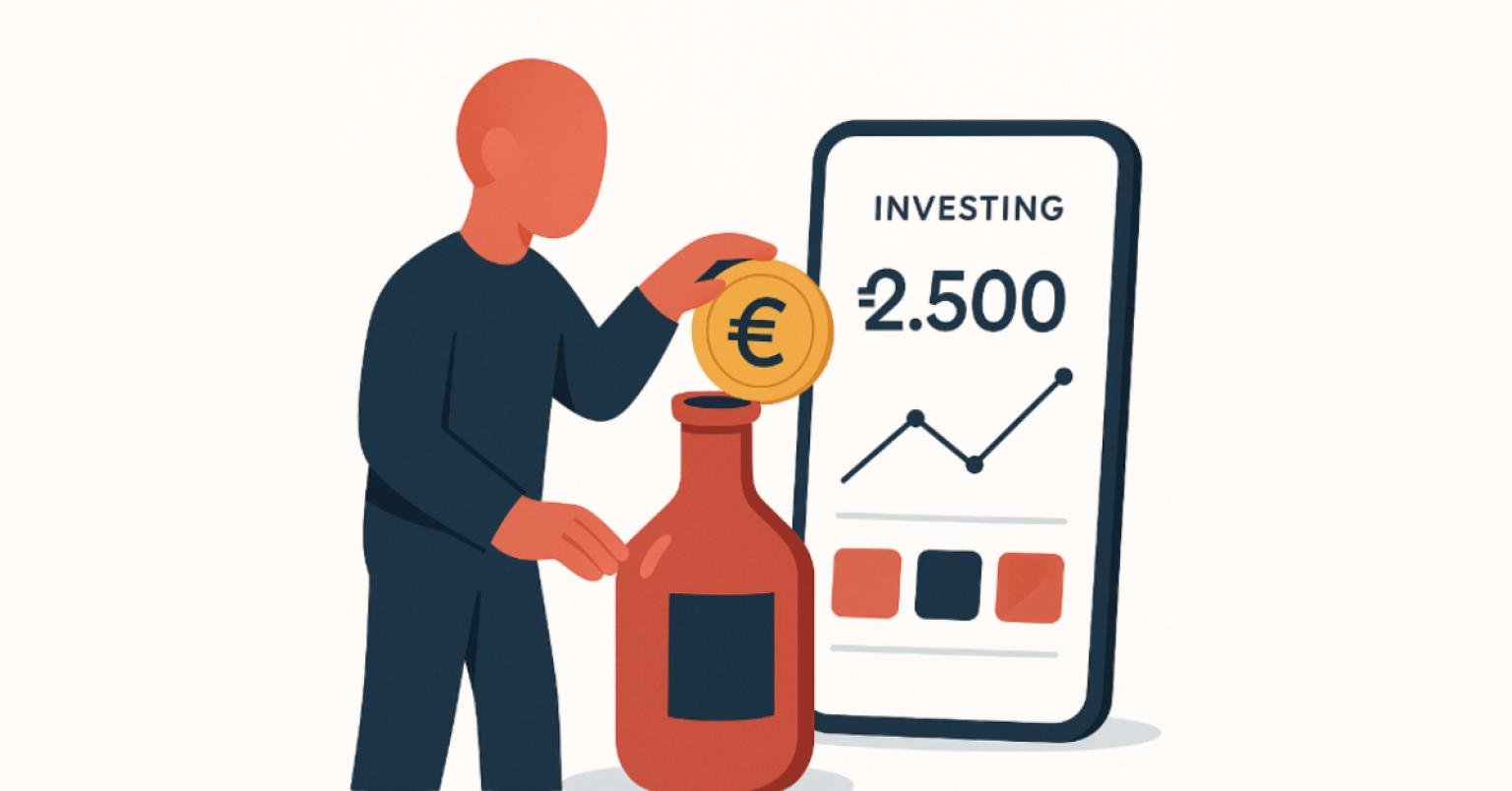
How to Start Investing in Wine with Just One Euro and No Hidden Fees -  WineFortune

Illustration 18: Investor can easily invest in wine through their phones today

Wine investing is simultaneously thrilling, complicated, and occasionally terrifying. It is a world where spreadsheets meet tasting notes, where Bloomberg charts collide with the smell of oak and fermentation, and where a single phone app can change your portfolio faster than a barrel-fermenting Chardonnay.

This is your Investor’s Toolkit, the complete guide to starting smart, avoiding rookie mistakes, and navigating the new digital wine frontier.

Decide on Investment style

First of all you have to decide on your investment style. Not all wine investors are created equal. Some are traditionalists who prefer the tactile thrill of holding a freshly delivered case of Bordeaux in their hands. Others prefer a hands-off approach, letting digital platforms do the heavy lifting while they sip and scroll. Your first task is to define your style:

Ancient Rome and wine - Wikipedia

Illustration 19: Wine jugs from ancient Rome

Hands-On Collector: This is the classic wine investor archetype. You buy full cases directly from reputable merchants, store them in a proper cellar or bonded warehouse, and track them like a cherished pet. The appeal is obvious: complete control. You choose the vintages, manage the storage, and experience the visceral satisfaction of physically owning your assets. The downside? It’s labor-intensive, expensive, and sometimes anxiety-inducing when you realize one rogue heatwave or earthquake could ruin years of careful selection.

Fractional Investor: The new wave. Fractional ownership allows you to own a portion of high-value bottles or even cases without paying for the entire cost upfront. Platforms like Vinovest, Cult Wines, and Vint have democratized the wine market. You don’t need to spend $50,000 to own a Domaine de la Romanée-Conti; you can own a fraction of it for a few thousand dollars. These apps handle storage, provenance verification, and even auction sales for you, making wine investment almost as easy as buying an ETF, but far more intoxicating.
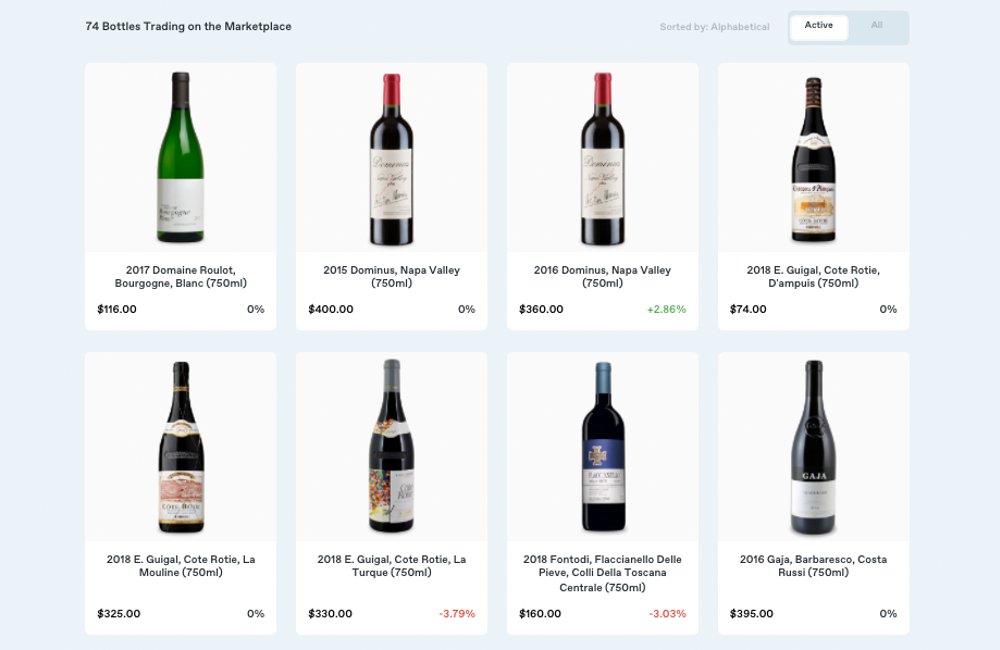
What Is the Vinovest Marketplace and How Does It Work?

Illustration 19: Vinovest one of these apps that allows investors to invest online.


Auction Aficionado: If you enjoy adrenaline as much as tannins, this style is for you. Hunting legendary vintages on Sotheby’s, Christie’s, or Zachys requires nerves of steel and a thick wallet. Auctions are exhilarating: paddles go up, hearts race and prices can triple in a matter of minutes. But caution: the market is less predictable, fees are high, and emotional buying can destroy your returns faster than a corked bottle.

Wine Fund Participant: For those who want professional management, wine funds pool investor money to create diversified portfolios of fine wine. These funds often include a mix of Bordeaux, Burgundy, Champagne, and emerging New World wines. They also manage storage, insurance, and eventual sale, letting you enjoy returns without handling corks, spreadsheets, or delivery tracking. The catch? Fees are higher, and you give up some control over the individual bottles.

Poster Beautiful attractive young woman holding a glass of wine, 26.7x40 cm

Illustration 20: Patience is important when investing in Wine

Budget and Time Horizon

Wine investing is not a sprint. It is the slow, satisfying marathon where patience is your most valuable asset. You can’t expect to buy a 2010 Lafite and flip it next week for life-changing returns. Top wines appreciate over years, decades even.

How to Invest in Fine Wines: A Step-by-Step Beginner's Guide

Illustration 21: There are different entry levels when it comes to investing in wine.

Entry-Level Investor: $5,000–$10,000 is enough to start building a small, meaningful portfolio. You won’t be a DRC baron, but you’ll get hands-on experience and exposure to market trends.

Serious Collector: $50,000–$500,000 allows access to a mix of blue-chip Bordeaux, sought-after Burgundy, and premium emerging wines. You can diversify and hedge risks while still participating in auctions.

Ultra-Elite Portfolios: Millions of dollars, professional storage, private auctions, and occasionally a helicopter to fetch your new shipment from a chateau in Bordeaux.

Time horizon matters more than money. The best investment strategy is long-term: at least 5–10 years for appreciation, often 15–20 years for top-tier bottles. Wine requires patience, unlike crypto or meme stocks, which feed off instant dopamine hits.

Where to Buy Wine

Gone are the days when your only option was a local wine shop or European merchant. Today, the market is global and digital, giving investors unprecedented access.

Reputable Merchants: Longstanding merchants like Berry Bros & Rudd or Corney & Barrow remain reliable sources for vintage wine. They often provide advice, guaranteed provenance, and access to allocations for sought-after bottles.

Online Exchanges: Platforms like Liv-ex or WineBid allow you to buy and sell cases worldwide, providing transparency and pricing data. They are like the Nasdaq of wine.

How to Invest in Fine Wines: A Step-by-Step Beginner's Guide

Illustration 22: Buying wines online is becoming increasingly popular

Auction Houses: Sotheby’s, Christie’s, and Zachys host live and online auctions for rare bottles. High stakes, high drama, the adrenaline is intoxicating.

Fractional Ownership & Apps: Platforms like Vinovest, Cult Wines, and Vint are revolutionizing the game. They allow: Fractional ownership of top wines, Automated storage in bonded warehouses, Market analysis and portfolio tracking, Access to auctions without leaving your couch and Simplified liquidity when you decide to sell. Using these apps, even a small investor can participate in the high-end wine market without needing to fly to Bordeaux or navigate private dealer networks.

Even digital or app-based investing requires strategy. A balanced portfolio might include: 50% Bordeaux: Stability, liquidity, and a history of growth, 30% Burgundy: Scarcity and upside potential, but more volatile, 20% Champagne & New World Wines: Diversification, emerging demand, and occasionally explosive growth.

Apps make balancing this mix easier. They can even suggest allocations based on risk tolerance, budget, and investment horizon. The point is clear: don’t put all your grapes in one basket. Even Romanée-Conti can fall in value if there’s a global glut or counterfeit scandal. Diversification protects your liquid wealth while letting the best bottles do the heavy lifting.

Ignoring Provenance: Apps usually verify authenticity, but always double-check. A fake bottle can tank your portfolio. Overpaying for Hype: Just because everyone is bidding on a Napa cult wine doesn’t mean it’s a good value. Relying Solely on Technology: Digital tools are excellent, but understanding vintage, terroir, and market psychology still matters. Chasing Quick Gains: Wine is long-term. Apps can show daily value changes, but flipping bottles too quickly can destroy returns and your sanity.

The Best Vineyards In Georgia – Wine International Association WIA

Illustration 23: Wine being produced in Georgia, a country famous for its wine produced at high altitudes.

Storage, Taxes and the perils of the wife life


Storage is important. You have to treat your wine as a newborn. Temperature has to be 12–14°C (55–57°F), no excuses. Humidity has to be 65–70%, not too dry or her corks shrink, not too wet or the labels rot. Avoid sunlight as UV destroys flavor and color. Avoid vibrations: no washing machines, no subways, no Tesla autopilot road trips.

How a World War II Munition Storage Cave Became the World's Most Secure  Wine Vault

Illustration 24: Octavian Vault in UK, a former WWII munition storage that now is the world’s most secure wine vault.

Professional storage is worth every penny. Bonded warehouses like London City Bond or Octavian Vaults ensure optimal conditions and legal “in bond” status, meaning tax-free until sale.

Wine can be stolen, broken, or ruined by temperature spikes. Insurance policies protect your assets, often for 1–2% of total portfolio value annually. Pro tip: Include flood, fire, and theft coverage, and make sure the insurer understands the rarity and provenance of each bottle.

Many countries treat wine as a wasting asset, exempting it from capital gains tax. If stored in bond (warehouse), you often pay no VAT or sales tax until sale.

Local laws vary, always check before popping open that $25,000 bottle as a celebratory sale. Wine is one of the few tangible assets with tax efficiency baked into its storage methods.

Mistakes to avoid: Drinking your portfolio is Fatal, avoid bad storage even a perfect vintage becomes vinegar in poor conditions. Dont chase hype blindly, just because everyone wants a 2020 Napa cult wine doesn’t mean it’s worth the price. Ignoring provenance: No documentation = no liquidity.

Investing in Wine vs. Stocks

Wine is one of the few assets that has a track record of ouperforming the S&P500. See, wine investing isn’t about quick flips or timing the market. It’s about thinking like Warren Buffett — the ultimate “buy and hold” investor. Because the truth is, the best wines don’t just grow grapes; they grow value. And that takes time.

When To Visit Vineyards In Argentina - Wines Of Argentina Blog

Illustration 25: Vineyards in Argentina

The magic starts to happen after around five years. Before that, the market is a bit of a wild ride shaped by shifting supply, unpredictable demand, and changing tastes. Even star wines need time before they start delivering those jaw-dropping returns.


Interesting facts about Saperavi | WineTourism.com

Illustration 26: Saperavi grapes

Think of it this way: in the stock market, we analyze quarterly earnings, track revenue growth, and calculate intrinsic value per share. In the wine market? Each vintage is like an IPO of 100,000 “shares” bottles. Over time, people drink them. The supply shrinks, but demand often stays strong. Suddenly, your remaining bottles, your shares, become rarer, and therefore, more valuable.

That’s the essence of wine investing: you win by simply outwaiting everyone else. You’re not here for a quick 20% bump next month. This isn’t day trading — it’s more like owning real estate in a great neighborhood. The longer you hold, the better it gets.

And here’s the beauty of it: once you’ve made your picks, your job is basically done. No need to obsess over quarterly reports or panic over management changes. A great vintage doesn’t file earnings, it quietly matures, becoming more refined, more desirable, and more valuable with every passing year.

Imagine owning an asset you know improves with time an investment whose balance sheet, quite literally, ages like fine wine.

Owning your own Vineyard

For some investors, collecting and trading fine wine is only the beginning. The ultimate step — the one that turns passion into legacy — is owning the vineyard itself.

Buying a vineyard is not just an investment; it’s an immersion into an ancient craft and a tangible connection to the land. You’re no longer speculating on market movements, you’re cultivating value from the ground up. But while the dream of owning rolling hills of vines under the Tuscan or Bordeaux sun is undeniably romantic, the practical side demands careful thought, planning, and due diligence.

Capital and time commitment

A vineyard is a long-term, capital-intensive investment. The entry cost varies dramatically depending on the region, size, and quality of the land. In Europe, smaller estates in regions like Portugal or Southern France might start around €500,000–€1 million, while premium appellations such as Bordeaux, Burgundy, or Napa Valley can easily require several million euros or dollars. Beyond the purchase price, investors should budget for infrastructure, wineries, storage facilities, equipment, irrigation systems, and housing for workers which can add substantially to the total cost.

Grapes plants for home garden, home garden greapes plants (pack of 1) :  Amazon.in: Garden & Outdoors

Illustration 27: Grapes in a Vineyard


Unlike traditional assets, vineyards take time to yield results. Newly planted vines generally require three to five years before producing marketable grapes, and full production potential may not be reached for seven to ten years. This makes vineyard ownership a play in patience and why many investors compare it to a blend of real estate and agriculture rather than a simple financial instrument.

Sweat, dirt and grape juice – it's incredibly rewarding': volunteer  harvesting on a vineyard in France | France holidays | The Guardian

Illustration 28: Harvesting at a French Vineyard

Location and Regulations

Geography is destiny in the wine world. The value of a vineyard is defined by its terroir, the unique combination of soil, climate, altitude, and micro-ecosystem that gives the grapes their character. Even two plots of land a few kilometers apart can yield wines of vastly different quality and price.

Investors must also navigate the legal and regulatory frameworks of their chosen region. In France and Italy, strict appellation systems (AOC/DOCG) govern which grapes can be planted, how the wine can be produced, and even how it’s labeled. In contrast, emerging wine regions such as Chile, Argentina, South Africa, and Australia offer more flexibility and lower acquisition costs, but may require greater marketing efforts to establish brand recognition and distribution channels.

Operation and management

Running a vineyard successfully requires both agricultural and business acumen. Most investors choose to hire an experienced vineyard manager and a skilled oenologist (winemaker) to oversee daily operations, crop management, and production quality.

Mosaic | Art, Vine and Wine | The Virtual Wine Museum - Le Musée Virtuel du  Vin

Illustration 29: Roman mosaic. The operation of a vineyard has not changed much since Roman times.

Labor costs, seasonal fluctuations, and unpredictable weather events, such as frost, drought, or disease, can all significantly impact annual yields and profitability.

ome investors take a hands-off approach, leasing the land to an established producer or entering a joint venture with a winemaking company. This model reduces risk and operational involvement while still allowing for long-term capital appreciation of the land and brand. Others prefer a boutique or lifestyle model, producing smaller quantities under their own label for niche luxury markets, hotels, and private clients.


Madeira Wine Festival

Illustration 30: Grapes being harvested at the Madeira Wine festival.

Market, Distribution and Brand Building

Owning a vineyard is only part of the equation, selling the wine profitably is the other half. Building a recognized brand takes time, marketing expertise, and consistent quality. Investors must understand distribution networks, export regulations, and pricing strategies. In established markets, competition is fierce, but a strong story, authenticity, heritage, or sustainable practices can make all the difference.

Modern trends favor vineyards that focus on organic or biodynamic farming, low-intervention winemaking, and carbon-neutral operations. These not only appeal to a growing segment of eco-conscious consumers but can also command premium pricing and attract institutional investors seeking ESG-aligned opportunities.

Risk and Reward

As with any long-term investment, vineyards carry both financial and environmental risks. Climate change poses one of the greatest challenges to viticulture, with rising temperatures, shifting weather patterns, and water scarcity affecting yields and quality. However, this also opens opportunities for innovation, from investing in drought-resistant grape varieties to adopting precision agriculture and AI-driven vineyard management.

The rewards, however, can be substantial. A well-managed estate can generate income through wine sales, vineyard tourism, and land appreciation. Some investors diversify by developing luxury accommodation or wine experiences on the property, turning their vineyard into a profitable destination.

And beyond the balance sheet, there’s the intangible return . owning something timeless, rooted in nature, culture, and craft. A vineyard is not just an investment in land; it’s an investment in legacy.
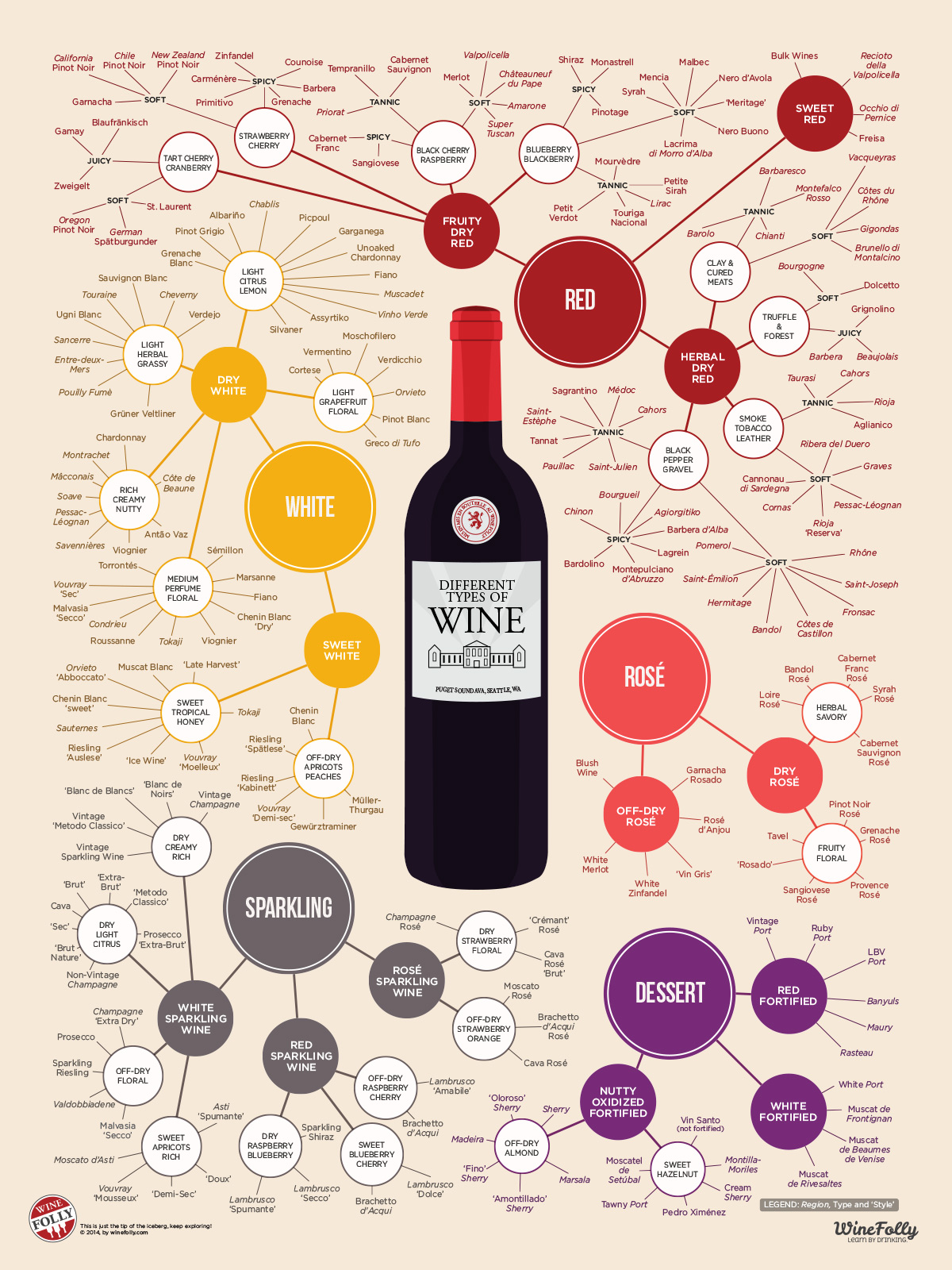

The Different Types of Wine (Infographic) | Wine Folly

Illustration 32: Full overview of all types of wine, gathered from Winefolly
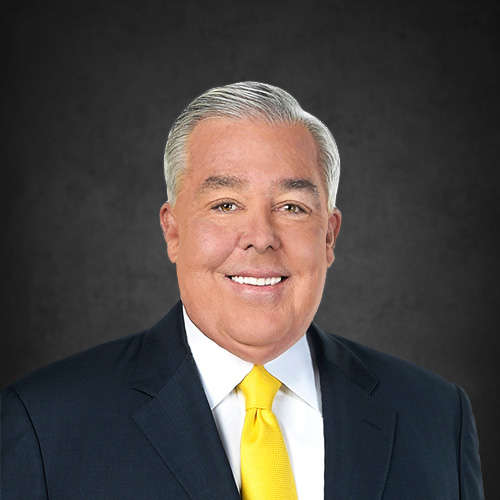
John Morgan: The Relentless Rise of America’s Most Fearless Lawyer

It all began in 1956 in the heart of horse country, Lexington, Kentucky. Picture a small home, chipped paint, a cracked driveway, and a fridge that was more often empty than full. This was the world John Bryan Morgan was born into. His childhood wasn’t bathed in luxury. No designer clothes, no trust funds, no summer getaways to Europe. What he had instead was a relentless fire in his belly, a hunger for something bigger.

I'm Not John Morgan: What We Can Learn From His Marketing – Joryn Jenkins  Marketing

Illustration1: John Morgan, the legend behind it all.

John was one of five siblings in a working-class family that often struggled to make ends meet. His father, a meat cutter with a troubled relationship with alcohol, would sometimes disappear into his vices, leaving his wife, John’s mother, to keep the family afloat. She was the real-life Wonder Woman. No cape. No superpowers. Just grit and an unbreakable sense of duty.

Even as a child, John knew life wasn’t fair. Other kids had allowances. He had chores. While others played video games, he was mowing lawns, washing dishes and hustling in every way he could.

And yet, even amid poverty, there was something special about young John. He was observant, sharp and most importantly, he had a dream. He wasn’t sure what it was yet, but he knew it didn’t involve staying poor.

Kentucky Derby paint by number painting | Minnesota Prairie Roots

Illustration 2: Kentucky, the humble start of John Morgan

John was determined to break the cycle. He knew education was the key, the great equalizer. He managed to claw his way into the University of Florida, a major leap for a kid from the working-class South. But college wasn’t a picnic. It was a battlefield.

To afford tuition, John worked a series of odd jobs, from dishwashing to nighttime security. He studied by the dim glow of streetlamps. He skipped meals. He bought used textbooks with notes scribbled all over them. But he never complained. Not once. Because he was building his future, one late-night cram session at a time.

After undergrad, John set his sights on law school. He got into the University of Florida Levin College of Law, where he was surrounded by peers from elite families, meaning kids who rolled up in BMWs while he was still patching holes in his shoes. But he didn’t care. He wasn’t there to impress, he was there to dominate.


He graduated in 1983, not just with a degree, but with a vision. He didn’t want to work for the rich. He wanted to fight for the people who had no voice, people like his mom, like his friends back in Kentucky, like himself.

Story Pin-bilde

Illustration 3: Morgan didn’t let the fact that he wasn’t rich or his social status bring him down.

In 1988, John Morgan did something insane, he left the comfort of an established firm and started his own with barely a handful of clients and next to no money.

He and his wife Ultima, a fellow lawyer, worked from a tiny office in Orlando, scraping together clients and praying they could make rent. There was no glitz, no glam, no waiting list of millionaire clients. It was just John, Ultima, a desk, a phone and a dream. But John had something most lawyers didn’t, the courage to advertise.

Back then, legal advertising was frowned upon. It was seen as “low-brow” even tacky. But John saw the future. He started running commercials, putting up billboards and buying ad spots on radio and TV. It was revolutionary. His face became instantly recognizable. His firm’s phone began to ring off the hook. And slowly but surely, Morgan & Morgan became a name people trusted.

Traditional firms sneered. Some even mocked him openly. But guess what? It worked. The phone lines lit up. Working-class Americans, immigrants, single mothers, veterans and everyday folks finally saw a lawyer who seemed to get them, a lawyer who didn’t look down on them, but stood beside them.

John knew that justice shouldn’t be reserved for the rich. He created a firm that operated on contingency meaning clients paid nothing unless the firm won. This flipped the power dynamic of law on its head. Suddenly, people who could never afford an attorney were getting high-powered representation. And they were winning.

HOW do I DECIDE??? : r/philly

Illustration 4: John Morgan’s formula of success lies in his use of advertisement.

Word spread. Morgan & Morgan began adding attorneys. Then offices. Then entire teams dedicated to intake, investigations, case management and trial. The small Orlando firm morphed into a regional force, then a national powerhouse.

But the firm wasn’t just growing, it was innovating. John implemented cutting-edge call centers and custom legal software to manage thousands of cases simultaneously. He invested in digital ads and SEO when other firms were barely online. He brought in experts in analytics, data and marketing to scale the business like a Silicon Valley startup.


By the 2000s, Morgan & Morgan had become a juggernaut. John kept his foot on the gas, opening offices in nearly every major city. The firm handled cases involving everything from medical malpractice and product liability to class actions and even civil rights.

Today, Morgan & Morgan has over 800 attorneys and 3,000 staff members. It serves clients in all 50 states and handles more than half a million cases each year. It’s not just the largest injury law firm in America, it’s one of the most recognized legal brands in the world.

Morgan & Morgan's Messaging Strategy

Illustration 5: Morgan & Morgan has now more than 800 attorneys and run ads nationwide not only in Orlando where it all started.

John Morgan didn’t just start a law firm. He built a legal empire with a mission so clear it’s tattooed on the American psyche: “For The People.”

And that empire? It all started in a tiny Orlando office, with a man who believed that no one should have to fight alone.

John Morgan didn’t just want to win cases, he wanted to bend the entire legal universe to his will.

Picture this: most lawyers were grinding away on measly slip-and-fall cases, chasing billable hours like hamsters on a wheel. John? He was building an empire. While the rest of the legal world was stuck in the 1980s, he was already thinking like Jeff Bezos with a briefcase.

He turned his firm into a litigation factory, but not in a sleazy ambulance-chaser way this was industrial-strength lawyering. Car accidents? Handled. Medical malpractice? Crushed. Class-action lawsuits? Bring it on. If David had a case against Goliath, Morgan & Morgan would’ve filed it before sunrise.

He pioneered a flat-fee structure, built a literal in-house call center to handle thousands of daily inquiries, and invested in tech like he was the Mark Zuckerberg of lawsuits. Imagine Apple HQ, but instead of iPhones, they were cranking out million-dollar verdicts.

Soon, he was on the talk-show circuit, dishing out unfiltered wisdom. He wrote books that didn’t just sit on dusty law school shelves, they hit bestseller lists.


His book “You Can’t Teach Hungry” was part pep talk, part street-fight manual, and part “Morgan gospel.” The thesis was simple: hustle like hell, be unapologetically yourself and never forget who you’re fighting for.

Now, you’d think a billionaire lawyer would be a stiff in a tailored Armani suit, sipping a $500 Scotch in some mahogany-lined office. Not John.

Cuban Sandwich

Illustration 6: Morgan was never stiff or elitist like other lawter, but he was relatable and liked the same things as an average american like a good Cuban sandwitch.

The man loves fried chicken. He loves Cuban sandwiches so much he’s practically a sandwich influencer. He puffs cigars like he’s starring in his own gangster flick, and he tweets jokes that make you wonder if your lawyer is secretly running a comedy club on the side.

He’s approachable, funny, and dare I say it dangerously relatable. And that’s why people adore him.

But peel back the jokes, and you find someone who cares deeply. Morgan has donated millions to causes like education, poverty relief, and criminal justice reform. One of his fiercest crusades? Medical marijuana.

This wasn’t about trend-chasing or headlines. This was personal. His brother, Tim, suffered from a devastating spinal cord injury, and medical marijuana was the only thing that gave him relief. John didn’t just sympathize, he fought. He poured millions into Florida’s 2016 Amendment 2 campaign and helped legalize medical marijuana statewide.

Not because it was fashionable. Not because it was profitable. But because it was right. Because family came first

John Morgan didn’t wake up one day and say, “I want to be a billionaire.” He just kept building, winning, investing and suddenly, there it was.

Hotels? He bought them. Real estate? He stacked it like Monopoly pieces. Cannabis startups? Yep, he planted those seeds too. By the time anyone noticed, John had quietly become the billionaire nobody expected.

Sure, he’s got the toys: a mansion in Lake Mary, Florida, that looks like something out of MTV Cribs.


A fleet of cars. A private jet. A yacht. Probably a secret lair under the mansion for good measure.

But here’s the kicker: he’s still the same fried-chicken-loving, Cuban-sandwich-tweeting, people’s lawyer he always was. If you ask him about his proudest achievement, he won’t say “the billions.” He’ll say it’s his employees who love him, the thousands of clients whose lives he helped rebuild, and the fact that when people hear the name “Morgan,” they think trust.

14 Sassy Billionaire Memes That Are Too Rich For Our Blood

Illustration 7: Morgan didn’t let his money change who he was.

Advertising? John Morgan doesn’t just do it, he dominates it. His law firm commercials are the stuff of legend. Funny, bold, slightly absurd and absolutely unforgettable.

And then there’s social media. Most billionaires hire a PR team to write robotic posts. John Morgan? He’s tweeting his own jokes, ranting about insurance companies, and casually dropping lines about running for president. One day he’s a lawyer. The next? A meme.

But here’s the genius: he leaned into it. He became the meme. He is the meme. He understood what most tycoons don’t: in the modern world, authenticity beats polish. Every time.

Morgan & Morgan: An Advertising Investigation |

Illustration 8: John Morgan used memes, tweets and advertising heavly to his advantage.

Everything John Morgan built, everything, comes back to one mantra: For The People.

It’s not just a slogan slapped on a billboard. It’s the heartbeat of his firm. Today, Morgan & Morgan handles over 500,000 cases a year, a mind-boggling number that makes them less of a law firm and more of a justice delivery system.

He mentors young lawyers, invests in progressive causes and keeps pushing the boundaries of what a law firm can do. His sons are stepping into the game, learning the ropes, gearing up to take the Morgan legacy even further.

And John? He’s not even close to done. He might run for office. He might launch a bourbon brand called “For the Pour.” He might buy a baseball team just for the fun of it. Whatever it is, you can bet it’ll be big, bold, hilarious and very, very John Morgan.


Final Thoughts: The Legend of John Morgan

From the dirt roads of Kentucky to billion-dollar boardrooms, John Morgan’s story is the ultimate “American dream with a punchline.”

He didn’t just beat the odds, he rewrote them. He showed us that grit, guts and a sense of humor can take you from nothing to an empire.

He started with nothing. He gave everything. And he built a kingdom, for the people.

And if you don’t believe me, just wait because the next chapter of John Morgan’s story is probably going to be wilder than the last.

John Morgan releases joke billboard in honor of 61st birthday

Illustration 9: John Morgan knew the power of humor and advertising.

The Indian Economy: A sleeping Giant

India is more than just a country, it is a civilization that spans thousands of years, a vibrant continent in its own right, and an economic marvel constantly in motion. With a history that stretches back over five millennia, India remains one of the world’s oldest cultures while simultaneously being one of the youngest and fastest-growing economies on the planet.

Fil:Flag of India.svg – Wikipedia

Today, it stands as the most populous nation on Earth, the fifth-largest economy by nominal GDP, and a powerhouse of innovation and entrepreneurship. The economy of India is a developing mixed economy with a notable public sector in strategic sectors.

Known as the world’s largest democracy, India is a federal republic composed of 28 states and 8 union territories. It is a nuclear-armed nation, a member of influential groups such as the G20, BRICS, and the World Trade Organization, and holds a pivotal position in the Indo-Pacific region both strategically and economically.

As of 2024, India’s nominal GDP reached nearly $3.9 trillion, edging past the United Kingdom and approaching the size of Germany’s economy. When measured in purchasing power parity terms, India ranks third globally behind China and the United States. This remarkable economic ascent is fueled by a young and expanding population of 1.44 billion people, a rapidly growing middle class, and a labor force increasingly skilled in technology and services.

his article explores the complex and fascinating story of India’s economic evolution, from its early days of immense wealth through the hardships of colonialism, the challenges of socialist policies, and finally the remarkable liberalization that catapulted the nation into the global spotlight. Whether you are an investor, student, or simply curious about global affairs, India’s economic journey offers profound lessons in resilience, ambition, and transformation.

India’s history as an economic power dates back thousands of years, when it accounted for roughly a quarter to a third of the world’s GDP. During ancient times, great empires such as the Mauryas, Guptas, Cholas, and later the Mughals presided over prosperous kingdoms that exported textiles, spices, gems, and rich cultural knowledge to distant lands. India’s early economy was sophisticated and globally connected, making it one of the wealthiest regions on Earth.


India’s history as an economic power dates back thousands of years, when it accounted for roughly a quarter to a third of the world’s GDP. During ancient times, great empires such as the Mauryas, Guptas, Cholas, and later the Mughals presided over prosperous kingdoms that exported textiles, spices, gems, and rich cultural knowledge to distant lands. India’s early economy was sophisticated and globally connected, making it one of the wealthiest regions on Earth.

Art of Legend India: Art, Paintings, Handicrafts, Jewelry, Beads, Handmade  Items: Mughal School of Arts - Mixture Style of Indian and Persian Art

Illustration 2: Mughal Empire of India

However, the arrival of European colonial powers, especially the British East India Company in the 18th century, marked a profound shift. What was once a manufacturing and trading powerhouse became a supplier of raw materials and a captive market for British goods.

The colonial period saw the systematic deindustrialization of India’s traditional industries, such as the famous textile mills of Bengal, and the extraction of wealth that hindered economic progress for nearly two centuries. By the time India gained independence in 1947, its share of the global economy had dwindled to a mere 3%, a shadow of its former glory.

Life Size Portrait Painting Of Indian Raja Or Emperor

Illustration 3: British India led to India falling from making up 22.6% of the world economy in 1700 to 3.8% in 1952.

After independence, India embarked on a path shaped by the vision of Prime Minister Jawaharlal Nehru, who championed a socialist-inspired model of economic development. The state took control of key industries such as heavy manufacturing, banking, railways, and energy.

While this helped establish a basic industrial base, it also resulted in the notorious “License Raj,” a cumbersome system of permits and bureaucratic controls that stifled entrepreneurship and economic dynamism. For decades, India’s growth rate lingered at a modest 3 to 4 percent, a pace so slow it was mockingly dubbed the “Hindu rate of growth.

The turning point came in 1991 when a severe balance of payments crisis forced India to fundamentally rethink its economic model. Led by Finance Minister Manmohan Singh, the government embarked on sweeping reforms that dismantled import restrictions, reduced subsidies, and opened the economy to foreign investment. This liberalization unleashed a wave of economic activity that transformed India into a global player. The IT sector boomed, telecom networks expanded, pharmaceutical companies grew to global prominence, and financial markets developed rapidly. India’s economy accelerated, foreign reserves surged, and the nation gained credibility on the world stage.


India’s economy is broadly divided into three main sectors: agriculture, industry, and services. Together, these sectors weave a complex and sometimes contradictory tapestry. While agriculture still employs the largest share of the workforce, roughly 43% of the population, it accounts for only about 20% of GDP.

Twin Size Star Mandala Tapestry Cute Indian Wall Hanging Twin Bedding

Illustration 4: The Indian economy is complex like a tapestry

Industry contributes around a quarter of the GDP and employs about a quarter of the labor force. The services sector dominates the economy, representing more than half of the country’s GDP, yet employs only about a third of the workers. This structural imbalance highlights some of India’s greatest development challenges but also points to immense opportunities for growth and modernization.’

Historically a late bloomer in manufacturing, India has increasingly turned its attention to industrial development. The government’s flagship initiative, “Make in India,” aims to expand the manufacturing sector’s share of GDP to 25 percent.

he automobile sector is one of the largest in the world, with companies like Tata Motors, Mahindra & Mahindra, bajaj auto, TVS motor company, Atul Auto and Maruti Suzuki producing millions of vehicles annually. As of 2023, India ranked as the fourth-largest automobile producer in the world, following China, United States and Japan. T

he sector accounts for approximately 7.1% of India’s GDP and employs over 37 million people directly and indirectly. As of April 2022, India’s auto industry is worth more than US$100 billion and accounts for 8% of the country’s total exports and 7.1% of India’s GDP.

Delhi Sightseeing by Tuk Tuk 2025 - New Delhi

Illustration 5: India is one of the world’s largest producers of tuk tuks

The pharmaceutical industry, often called the “pharmacy of the world,” manufactures 60 percent of the world’s vaccines and is a global leader in generic drugs. Heavy industries such as steel, cement, and chemicals are dominated by conglomerates like Tata Steel and Aditya Birla Group.

India is also carving a niche in emerging industries such as semiconductors, solar energy equipment, and electric vehicles, with states like Gujarat and Tamil Nadu competing fiercely to attract large factories and investment. Defense manufacturing is another growing priority, as India seeks to reduce its dependence on arms imports and develop indigenous capabilities.

Mining contributed to 1.75% of GDP and employed directly or indirectly 11 million people in 2021. India’s mining industry was the fourth-largest producer of minerals in the world by volume, and eighth-largest producer by value in 2009.


In output-value basis, India was one of the five largest producers of mica, chromite, coal, lignite, iron ore, bauxite, barite, zinc and manganese; while being one of the ten largest global producers of many other minerals.

rajasthan tourism decorative collage with traditional culture 40519472  Vector Art at Vecteezy

Illustration 6: Rajesthan is one of the indian states with the most natural resources

Indian cement industry is the 2nd largest cement producing country in the world, next only to China. At present, the Installed Capacity of Cement in India is 500 MTPA with production of 298 million tonnes per annum. Majority of the cement plants installed capacity (about 35%) is located in the states of south India. 

India surpassed Japan as the second largest steel producer in January 2019.The country’s steel sector benefits from abundant iron ore reserves, a large labor force, and strong government support through initiatives like Make in India” and the National Steel Policy. As demand for steel rises both domestically and globally, India continues to expand its production capacity and export footprint.

Petroleum products and chemicals are a major contributor to India’s industrial GDP, and together they contribute over 34% of its export earnings. India hosts many oil refinery and petrochemical operations developed with help of Soviet technology such as Barauni Refinery and Gujarat Refinery, it also includes the world’s largest refinery complex in Jamnagar that processes 1.24 million barrels of crude per day.

By volume, the Indian chemical industry was the third-largest producer in Asia, and contributed 5% of the country’s GDP. India is one of the five-largest producers of agrochemicals, polymers and plastics, dyes and various organic and inorganic chemicals. Despite being a large producer and exporter, India is a net importer of chemicals due to domestic demands. India’s chemical industry is extremely diversified and estimated at $178 billion.

India is one of the largest producers and consumers of chemicals and fertilizers in the world, with the chemical industry contributing over 7% to the country’s GDP and ranking 6th globally in chemical production. At present, 57 large fertilizer units are manufacturing a wide number of nitrogen fertilizers. These include 29 urea-producing units and 9 ammonia sulfate-producing units as a by-product. Besides, there are 64 small-scale producing units of single super phosphate.

The fertilizer sector, vital for India’s agriculture, produced around 43.7 million tonnes of fertilizers in 2024–25, including urea, DAP, and complex fertilizers, supported by government subsidies and increasing adoption of nutrient-based fertilizers. The growing demand from agriculture, textiles, and pharmaceuticals continues to drive expansion in both sectors.

Colorful Dyes At Indian Market by Photo By Meredith Narrowe

Illustration 7: India is one of the largest producers of dye in the world.


Furthermore, when it comes to transportation India is the third-largest domestic aviation market in the world, with passenger traffic reaching over 280 million in 2023. As of 2024, the country has 149 operational airports, up from 74 in 2014, and the government plans to expand this to 220 airports by 2030 under a 1 trillion Indian rupees infrastructure push.

India’s railways, contributing about 2% to the country’s GDP, transport over 8 billion passengers and 1.2 billion tonnes of freight annually, making it one of the world’s largest and busiest rail networks. The sector supports around 7 million jobs, both directly and indirectly, playing a crucial role in driving economic growth and connecting markets across the nation. With ongoing investments in modernization, electrification, and high-speed rail, Indian Railways is set to boost productivity and sustainability even further.

This London Landmark Inspired A Stunning Train Station In Mumbai

Illustration 8: Mumbai train station

India also has multiple ship building companies such as Cochin Shipyard, Hindustan Shipyard and Swan Defence and Heavy Industries, mainly produces ships for European, South American and African shipping companies. Cochin shipyard is the pioneer in autonomous electric propulsion ships.

Agriculture remains the cornerstone of India’s socio-economic landscape, deeply intertwined with the lives of over 40% of the population who depend on it for their livelihoods. Despite its declining share of around 16-17% in the country’s GDP, the sector is critical for ensuring food security, sustaining rural communities, and maintaining social stability across vast regions.

India proudly holds the title as the world’s largest producer of milk, pulses, and spices, and is among the top global producers of staples like rice, wheat, sugarcane, cotton, and a wide variety of fruits and vegetables, feeding over 1.4 billion people.

Yet, beneath this agricultural abundance lies a paradox: low productivity and fragmented landholdings often limit farmers’ incomes and economic resilience. Most farms are small, averaging less than 2 hectares, which constrains the adoption of advanced technology and efficient farming practices.

Additionally, frequent climate shocks, such as droughts, floods, and erratic monsoons, leave millions vulnerable and threaten crop yields year after year. Infrastructure challenges, including inadequate irrigation, poor storage facilities, and inefficient supply chains, further reduce farmers’ ability to maximize profits and reach larger markets.


The glorious history of India's passion for tea, in eight images

Illustration 9: India is one of the largest producers of tea

Recognizing these challenges, India has embarked on a path to modernize agriculture by investing in better irrigation systems, promoting mechanization, improving rural roads and cold storage, and embracing digital technologies like satellite imaging and mobile apps to provide real-time information to farmers.

India’s agriculture and allied sectors remain a vital part of the economy, accounting for 18.4% of GDP and employing nearly 46% of the workforce, despite the sector’s shrinking share in overall economic output, from 52% in 1951 to around 15% in 2023.

The country boasts the largest arable land area in the world, ranking as a top global producer of milk, pulses, spices, rice, wheat, sugarcane, cotton, fruits, and vegetables. However, productivity challenges persist, with yields often only 30% to 50% of global best practices due to small landholdings, inadequate irrigation (only about 39% of cultivated land is irrigated), and infrastructure gaps in storage, roads, and markets. These issues limit farmers’ incomes and keep agricultural output below its full potential.

India is also a global leader in fisheries and aquaculture, ranking 3rd and 2nd respectively, providing livelihoods to millions, and exporting significant quantities of processed products like cashew kernels and milk. While the country produces roughly 316 million tonnes of foodgrains annually, stagnation in output and large post-harvest losses, up to one-third of production, highlight inefficiencies.

Government initiatives like the ₹1.2 trillion Accelerated Irrigation Benefit Programme aim to improve irrigation and infrastructure, but regulatory hurdles and market constraints continue to slow progress. Overall, India’s agriculture sector is a complex blend of immense scale, rich diversity, and urgent need for modernization to boost productivity and farmer prosperity.

Women pounding rice, India stock image | Look and Learn

Illustration 10: Indian women pounding rice, India is one of the world’s largest rice producers

However, progress has been uneven and often slowed by political sensitivities and social complexities. The massive farmer protests of 2020–21 underscored the deep-rooted concerns and emotional ties surrounding land rights, pricing, and market reforms. These protests highlighted how any attempt to transform India’s agricultural sector must carefully balance economic modernization with the protection of farmers’ livelihoods and rights.


Looking ahead, the future of Indian agriculture depends on successfully navigating this delicate balance, integrating technology and innovation while ensuring inclusivity and sustainability. With targeted reforms, climate-resilient farming practices, and strengthened rural infrastructure, India has the potential not only to feed its vast population but also to emerge as a global leader in sustainable agriculture.

The services sector has emerged as the undisputed engine of India’s economic growth, contributing a staggering over 50% of the country’s GDP, making it the largest sector in the Indian economy. From IT and software exports to financial services, healthcare, education, telecommunications, tourism, logistics, and more. the breadth and dynamism of this sector reflect India’s transition from a primarily agrarian economy to a global services leader.

At The Char Minar In Hyderabad by Print Collector

Illustration 11: The city of Hyderabad is becoming a global hub for IT.

Cities like Bengaluru, Hyderabad, Gurugram, and Pune have become world-renowned hubs for IT, software development, business process outsourcing (BPO), and innovation, attracting investments from global tech giants and startups alike.

India’s Information Technology and Business Process Management (IT-BPM) sector alone generated over $250 billion in revenue in 2023, employing more than 5 million professionals, and contributing significantly to foreign exchange earnings.

Indian IT firms serve clients across the globe, from Silicon Valley startups to Fortune 500 corporations, delivering everything from cloud computing to AI solutions. Beyond tech, India’s financial services sector, anchored by robust public and private banks, insurance companies, fintech startups, and stock exchanges like NSE and BSE, plays a pivotal role in capital formation and investor confidence.

India’s telecom sector is a global giant, now the second-largest market in the world with over 1 billion phone subscribers and one of the lowest call tariffs due to intense competition. In FY 2024, telecom equipment production crossed ₹45,000 crore, with exports hitting ₹10,500 crore, driven by the booming smartphone manufacturing industry. India also ranks among the top three globally in internet users, and is the largest DTH television market by subscribers making digital connectivity a key pillar of its economic growth.

Equally significant is the rise of tourism, healthcare, education, retail, e-commerce, and digital services, all of which are rapidly expanding with the growing urban middle class and increasing internet penetration. The Unified Payments Interface (UPI) revolutionized digital transactions, processing billions of transactions monthly, and helped formalize vast segments of the economy. Meanwhile, the services sector has also become a major employment generator, especially in urban and semi-urban areas, offering opportunities in both high-skilled and low-skilled segments.

The government’s focus on initiatives like Digital India, Skill India, and Start-Up India further accelerates the services sector’s potential, promoting entrepreneurship, digital infrastructure, and employment. However, to sustain this momentum, India must address key challenges, such as improving ease of doing business, upskilling the workforce, enhancing service exports, and bridging the digital divide in rural areas.


In essence, the services sector is not just a component of India’s economy, it is its beating heart, transforming the country into a knowledge-based, innovation-driven powerhouse that is well on its way to becoming a major player in the global economic landscape.

India’s 63 million MSMEs (Micro, Small, and Medium Enterprises) contribute 35% to GDP, employ over 111 million people, and make up 40% of exports, earning their title as the “growth engines” of the economy. Though 90% are micro-enterprises with limited scale, 2023 saw a record 179 SME IPOs, showing rising investor interest. With continued policy support and reforms, MSMEs hold the key to tackling unemployment and driving inclusive growth.

India’s digital transformation has been nothing short of revolutionary. Central to this has been the Unified Payments Interface (UPI), a real-time digital payment system that processes billions of transactions monthly, outpacing even the combined digital payments of the US, China, and the EU. The Aadhaar biometric identification system has provided over 1.3 billion Indians with a unique digital identity, enabling unprecedented access to banking, government services, and welfare programs.

Together with the Jan Dhan-Aadhaar-Mobile (JAM) trinity, these innovations have democratized access to finance and services across vast rural and urban populations. The government’s Digital India initiative aims to further embed technology into governance, business, and daily life, while targeted programs such as Startup India and the Semiconductor Mission are propelling innovation and domestic manufacturing.

Furthermore, India’s youthful population is one of its greatest assets. With a median age of just 28.4 years, India is far younger than many developed countries whose median ages often exceed 40. Each year, approximately twelve million young people enter the labor market, creating both an opportunity and a challenge to generate sufficient employment. By 2030, India is expected to be home to seven megacities and more than 600 million urban residents, fueling demand for housing, infrastructure, transportation, and services.

Indian People pop art posters & prints by Maju ngiwir - Printler

Illustration 12: India’s population is very young something that can become its great asset.

The key to harnessing this demographic dividend lies in education and skills training to ensure that young Indians are productive contributors to the economy rather than unemployed or underemployed.

India’s cultural richness and heritage form a vital pillar of its economy. The country attracted more than 17 million tourists in 2023, contributing significantly to local economies.


Beyond the traditional pilgrimage and heritage tourism sectors, India’s global influence is bolstered by Bollywood, yoga, cuisine, cricket, and festivals that resonate worldwide. The Indian diaspora, numbering over 30 million people globally, acts as a powerful cultural and economic bridge, enhancing India’s soft power and international reputation.

Rajshree...... Sagaai 1966

Illustration 13: A Bollywood poster

India’s role in global trade continues to expand rapidly. As the world’s ninth-largest exporter of goods and sixth-largest importer, India’s export basket includes refined petroleum, gems and jewelry, pharmaceuticals, automobiles and parts, and software services. The United States, China, the United Arab Emirates, the European Union, and ASEAN nations are India’s most significant trading partners.

India is actively negotiating free trade agreements with major economies like the UK and the EU and is building regional supply chains to reduce reliance on China and enhance economic resilience. On the global stage, India positions itself as a leading voice for the developing world, championing issues such as debt relief, food security, and climate action, especially during its G20 presidency in 2

India currently holds a sovereign credit rating of “BBB-” with a stable outlook from S&P and Fitch, and a “Baa3” from Moody’s, both of which are the lowest investment-grade ratings. These ratings indicate that India is a relatively safe destination for investment, but with moderate credit risk. The scores reflect a balance between India’s strong long-term growth prospects and structural economic challenges such as a high fiscal deficit, significant public debt, and dependency on imported energy.

The rating agencies acknowledge India’s resilient and diversified economy, large domestic market, improving infrastructure, and digital innovation as strengths. India’s track record of stable democratic governance, reforms in taxation (like GST), and emphasis on infrastructure and ease of doing business further support its rating. However, concerns remain over fiscal discipline, with the government debt-to-GDP ratio hovering around 83%, and recurring fiscal deficits above 5%, driven by subsidies, welfare schemes, and lower tax revenues.

Despite global economic uncertainties, India’s strong GDP growth, estimated at around 6–7% annually, even during volatile periods, continues to reinforce investor confidence. Many experts believe that with continued reforms, improved tax collection, and responsible fiscal management, India could see a credit upgrade in the coming years, which would lower borrowing costs and attract more foreign investment.

Despite its impressive rise, India faces deep-seated challenges. Income inequality is stark, with the richest one percent controlling more than 40% of the nation’s wealth. Structural issues such as unemployment. especially among youth and graduates, remain unresolved. While India has made strides in reducing corruption and improving ease of doing business, bureaucratic inertia and red tape still hinder many entrepreneurs.


Environmental problems loom large as well. Air pollution in cities frequently reaches hazardous levels, water scarcity threatens agriculture and urban centers, and climate change presents an existential risk to development gains. Public debt, while moderate compared to many developed nations, is rising and will require careful fiscal management.

INEQUALITY IN INDIA | IAS Gyan

Illustration 14: Ambani tower in India highlighting the difference between rich and poor in the country.

Looking forward, India has set ambitious goals to become a $5 trillion economy by 2027 and to join the ranks of the world’s top three economic powers by 2050. The government’s vision of “Viksit Bharat,” or Developed India, aims for transformational progress by the centenary of independence in 2047.

Priority sectors include renewable energy, where India is already a global leader in solar power and has pledged to reach net-zero carbon emissions by 2070. Defense manufacturing, advanced technologies such as artificial intelligence and quantum computing, biotechnology, and infrastructure development are all central to India’s future growth plans.

Massive investments in freight corridors, expressways, and ports are underway to improve logistics and connect the vast country more efficiently.

India’s economy embodies a unique paradox. It is ancient and modern, fast-growing yet uneven, chaotic yet bursting with creative energy. Unlike the more streamlined and centralized economies of Germany or China, India’s democratic capitalism is messy and vibrant, shaped by millions of individual decisions, countless startups, and an energetic population.

Commentary: Why India will become a superpower - CNA

Illustration 15: India is one of the fastest growing economies in the world.

Its rise is not just an economic story but a human one, about a nation harnessing its vast potential, striving to lift hundreds of millions out of poverty, and aiming to reshape the global economic order. As smartphones proliferate in small towns, solar panels spread across deserts, and coding campuses thrive in Bangalore and Hyderabad, India is writing a new chapter in the story of global growth.

India’s economy is a dynamic blend of traditional strength and modern innovation, driven by a powerful services sector, a vast and evolving agricultural base, and a rapidly growing industrial and manufacturing ecosystem. With a young population, expanding digital infrastructure, and consistent GDP growth averaging 6–7%, India is well-positioned to become one of the world’s leading economic powers. However, to fully unlock its potential, the country must address key challenges like unemployment, low agricultural productivity, infrastructure gaps, and fiscal discipline, while continuing to invest in reforms, technology, and human capital.

The Indian Economy: A sleeping Giant

India is more than just a country, it is a civilization that spans thousands of years, a vibrant continent in its own right, and an economic marvel constantly in motion. With a history that stretches back over five millennia, India remains one of the world’s oldest cultures while simultaneously being one of the youngest and fastest-growing economies on the planet.

Fil:Flag of India.svg – Wikipedia

Today, it stands as the most populous nation on Earth, the fifth-largest economy by nominal GDP, and a powerhouse of innovation and entrepreneurship. The economy of India is a developing mixed economy with a notable public sector in strategic sectors.

Known as the world’s largest democracy, India is a federal republic composed of 28 states and 8 union territories. It is a nuclear-armed nation, a member of influential groups such as the G20, BRICS, and the World Trade Organization, and holds a pivotal position in the Indo-Pacific region both strategically and economically.

As of 2024, India’s nominal GDP reached nearly $3.9 trillion, edging past the United Kingdom and approaching the size of Germany’s economy. When measured in purchasing power parity terms, India ranks third globally behind China and the United States. This remarkable economic ascent is fueled by a young and expanding population of 1.44 billion people, a rapidly growing middle class, and a labor force increasingly skilled in technology and services.

his article explores the complex and fascinating story of India’s economic evolution, from its early days of immense wealth through the hardships of colonialism, the challenges of socialist policies, and finally the remarkable liberalization that catapulted the nation into the global spotlight. Whether you are an investor, student, or simply curious about global affairs, India’s economic journey offers profound lessons in resilience, ambition, and transformation.

India’s history as an economic power dates back thousands of years, when it accounted for roughly a quarter to a third of the world’s GDP. During ancient times, great empires such as the Mauryas, Guptas, Cholas, and later the Mughals presided over prosperous kingdoms that exported textiles, spices, gems, and rich cultural knowledge to distant lands. India’s early economy was sophisticated and globally connected, making it one of the wealthiest regions on Earth.


India’s history as an economic power dates back thousands of years, when it accounted for roughly a quarter to a third of the world’s GDP. During ancient times, great empires such as the Mauryas, Guptas, Cholas, and later the Mughals presided over prosperous kingdoms that exported textiles, spices, gems, and rich cultural knowledge to distant lands. India’s early economy was sophisticated and globally connected, making it one of the wealthiest regions on Earth.

Art of Legend India: Art, Paintings, Handicrafts, Jewelry, Beads, Handmade  Items: Mughal School of Arts - Mixture Style of Indian and Persian Art

Illustration 2: Mughal Empire of India

However, the arrival of European colonial powers, especially the British East India Company in the 18th century, marked a profound shift. What was once a manufacturing and trading powerhouse became a supplier of raw materials and a captive market for British goods.

The colonial period saw the systematic deindustrialization of India’s traditional industries, such as the famous textile mills of Bengal, and the extraction of wealth that hindered economic progress for nearly two centuries. By the time India gained independence in 1947, its share of the global economy had dwindled to a mere 3%, a shadow of its former glory.

Life Size Portrait Painting Of Indian Raja Or Emperor

Illustration 3: British India led to India falling from making up 22.6% of the world economy in 1700 to 3.8% in 1952.

After independence, India embarked on a path shaped by the vision of Prime Minister Jawaharlal Nehru, who championed a socialist-inspired model of economic development. The state took control of key industries such as heavy manufacturing, banking, railways, and energy.

While this helped establish a basic industrial base, it also resulted in the notorious “License Raj,” a cumbersome system of permits and bureaucratic controls that stifled entrepreneurship and economic dynamism. For decades, India’s growth rate lingered at a modest 3 to 4 percent, a pace so slow it was mockingly dubbed the “Hindu rate of growth.

The turning point came in 1991 when a severe balance of payments crisis forced India to fundamentally rethink its economic model. Led by Finance Minister Manmohan Singh, the government embarked on sweeping reforms that dismantled import restrictions, reduced subsidies, and opened the economy to foreign investment. This liberalization unleashed a wave of economic activity that transformed India into a global player. The IT sector boomed, telecom networks expanded, pharmaceutical companies grew to global prominence, and financial markets developed rapidly. India’s economy accelerated, foreign reserves surged, and the nation gained credibility on the world stage.


India’s economy is broadly divided into three main sectors: agriculture, industry, and services. Together, these sectors weave a complex and sometimes contradictory tapestry. While agriculture still employs the largest share of the workforce, roughly 43% of the population, it accounts for only about 20% of GDP.

Twin Size Star Mandala Tapestry Cute Indian Wall Hanging Twin Bedding

Illustration 4: The Indian economy is complex like a tapestry

Industry contributes around a quarter of the GDP and employs about a quarter of the labor force. The services sector dominates the economy, representing more than half of the country’s GDP, yet employs only about a third of the workers. This structural imbalance highlights some of India’s greatest development challenges but also points to immense opportunities for growth and modernization.’

Historically a late bloomer in manufacturing, India has increasingly turned its attention to industrial development. The government’s flagship initiative, “Make in India,” aims to expand the manufacturing sector’s share of GDP to 25 percent.

he automobile sector is one of the largest in the world, with companies like Tata Motors, Mahindra & Mahindra, bajaj auto, TVS motor company, Atul Auto and Maruti Suzuki producing millions of vehicles annually. As of 2023, India ranked as the fourth-largest automobile producer in the world, following China, United States and Japan. T

he sector accounts for approximately 7.1% of India’s GDP and employs over 37 million people directly and indirectly. As of April 2022, India’s auto industry is worth more than US$100 billion and accounts for 8% of the country’s total exports and 7.1% of India’s GDP.

Delhi Sightseeing by Tuk Tuk 2025 - New Delhi

Illustration 5: India is one of the world’s largest producers of tuk tuks

The pharmaceutical industry, often called the “pharmacy of the world,” manufactures 60 percent of the world’s vaccines and is a global leader in generic drugs. Heavy industries such as steel, cement, and chemicals are dominated by conglomerates like Tata Steel and Aditya Birla Group.

India is also carving a niche in emerging industries such as semiconductors, solar energy equipment, and electric vehicles, with states like Gujarat and Tamil Nadu competing fiercely to attract large factories and investment. Defense manufacturing is another growing priority, as India seeks to reduce its dependence on arms imports and develop indigenous capabilities.

Mining contributed to 1.75% of GDP and employed directly or indirectly 11 million people in 2021. India’s mining industry was the fourth-largest producer of minerals in the world by volume, and eighth-largest producer by value in 2009.


In output-value basis, India was one of the five largest producers of mica, chromite, coal, lignite, iron ore, bauxite, barite, zinc and manganese; while being one of the ten largest global producers of many other minerals.

rajasthan tourism decorative collage with traditional culture 40519472  Vector Art at Vecteezy

Illustration 6: Rajesthan is one of the indian states with the most natural resources

Indian cement industry is the 2nd largest cement producing country in the world, next only to China. At present, the Installed Capacity of Cement in India is 500 MTPA with production of 298 million tonnes per annum. Majority of the cement plants installed capacity (about 35%) is located in the states of south India. 

India surpassed Japan as the second largest steel producer in January 2019.The country’s steel sector benefits from abundant iron ore reserves, a large labor force, and strong government support through initiatives like Make in India” and the National Steel Policy. As demand for steel rises both domestically and globally, India continues to expand its production capacity and export footprint.

Petroleum products and chemicals are a major contributor to India’s industrial GDP, and together they contribute over 34% of its export earnings. India hosts many oil refinery and petrochemical operations developed with help of Soviet technology such as Barauni Refinery and Gujarat Refinery, it also includes the world’s largest refinery complex in Jamnagar that processes 1.24 million barrels of crude per day.

By volume, the Indian chemical industry was the third-largest producer in Asia, and contributed 5% of the country’s GDP. India is one of the five-largest producers of agrochemicals, polymers and plastics, dyes and various organic and inorganic chemicals. Despite being a large producer and exporter, India is a net importer of chemicals due to domestic demands. India’s chemical industry is extremely diversified and estimated at $178 billion.

India is one of the largest producers and consumers of chemicals and fertilizers in the world, with the chemical industry contributing over 7% to the country’s GDP and ranking 6th globally in chemical production. At present, 57 large fertilizer units are manufacturing a wide number of nitrogen fertilizers. These include 29 urea-producing units and 9 ammonia sulfate-producing units as a by-product. Besides, there are 64 small-scale producing units of single super phosphate.

The fertilizer sector, vital for India’s agriculture, produced around 43.7 million tonnes of fertilizers in 2024–25, including urea, DAP, and complex fertilizers, supported by government subsidies and increasing adoption of nutrient-based fertilizers. The growing demand from agriculture, textiles, and pharmaceuticals continues to drive expansion in both sectors.

Colorful Dyes At Indian Market by Photo By Meredith Narrowe

Illustration 7: India is one of the largest producers of dye in the world.


Furthermore, when it comes to transportation India is the third-largest domestic aviation market in the world, with passenger traffic reaching over 280 million in 2023. As of 2024, the country has 149 operational airports, up from 74 in 2014, and the government plans to expand this to 220 airports by 2030 under a 1 trillion Indian rupees infrastructure push.

India’s railways, contributing about 2% to the country’s GDP, transport over 8 billion passengers and 1.2 billion tonnes of freight annually, making it one of the world’s largest and busiest rail networks. The sector supports around 7 million jobs, both directly and indirectly, playing a crucial role in driving economic growth and connecting markets across the nation. With ongoing investments in modernization, electrification, and high-speed rail, Indian Railways is set to boost productivity and sustainability even further.

This London Landmark Inspired A Stunning Train Station In Mumbai

Illustration 8: Mumbai train station

India also has multiple ship building companies such as Cochin Shipyard, Hindustan Shipyard and Swan Defence and Heavy Industries, mainly produces ships for European, South American and African shipping companies. Cochin shipyard is the pioneer in autonomous electric propulsion ships.

Agriculture remains the cornerstone of India’s socio-economic landscape, deeply intertwined with the lives of over 40% of the population who depend on it for their livelihoods. Despite its declining share of around 16-17% in the country’s GDP, the sector is critical for ensuring food security, sustaining rural communities, and maintaining social stability across vast regions.

India proudly holds the title as the world’s largest producer of milk, pulses, and spices, and is among the top global producers of staples like rice, wheat, sugarcane, cotton, and a wide variety of fruits and vegetables, feeding over 1.4 billion people.

Yet, beneath this agricultural abundance lies a paradox: low productivity and fragmented landholdings often limit farmers’ incomes and economic resilience. Most farms are small, averaging less than 2 hectares, which constrains the adoption of advanced technology and efficient farming practices.

Additionally, frequent climate shocks, such as droughts, floods, and erratic monsoons, leave millions vulnerable and threaten crop yields year after year. Infrastructure challenges, including inadequate irrigation, poor storage facilities, and inefficient supply chains, further reduce farmers’ ability to maximize profits and reach larger markets.


The glorious history of India's passion for tea, in eight images

Illustration 9: India is one of the largest producers of tea

Recognizing these challenges, India has embarked on a path to modernize agriculture by investing in better irrigation systems, promoting mechanization, improving rural roads and cold storage, and embracing digital technologies like satellite imaging and mobile apps to provide real-time information to farmers.

India’s agriculture and allied sectors remain a vital part of the economy, accounting for 18.4% of GDP and employing nearly 46% of the workforce, despite the sector’s shrinking share in overall economic output, from 52% in 1951 to around 15% in 2023.

The country boasts the largest arable land area in the world, ranking as a top global producer of milk, pulses, spices, rice, wheat, sugarcane, cotton, fruits, and vegetables. However, productivity challenges persist, with yields often only 30% to 50% of global best practices due to small landholdings, inadequate irrigation (only about 39% of cultivated land is irrigated), and infrastructure gaps in storage, roads, and markets. These issues limit farmers’ incomes and keep agricultural output below its full potential.

India is also a global leader in fisheries and aquaculture, ranking 3rd and 2nd respectively, providing livelihoods to millions, and exporting significant quantities of processed products like cashew kernels and milk. While the country produces roughly 316 million tonnes of foodgrains annually, stagnation in output and large post-harvest losses, up to one-third of production, highlight inefficiencies.

Government initiatives like the ₹1.2 trillion Accelerated Irrigation Benefit Programme aim to improve irrigation and infrastructure, but regulatory hurdles and market constraints continue to slow progress. Overall, India’s agriculture sector is a complex blend of immense scale, rich diversity, and urgent need for modernization to boost productivity and farmer prosperity.

Women pounding rice, India stock image | Look and Learn

Illustration 10: Indian women pounding rice, India is one of the world’s largest rice producers

However, progress has been uneven and often slowed by political sensitivities and social complexities. The massive farmer protests of 2020–21 underscored the deep-rooted concerns and emotional ties surrounding land rights, pricing, and market reforms. These protests highlighted how any attempt to transform India’s agricultural sector must carefully balance economic modernization with the protection of farmers’ livelihoods and rights.


Looking ahead, the future of Indian agriculture depends on successfully navigating this delicate balance, integrating technology and innovation while ensuring inclusivity and sustainability. With targeted reforms, climate-resilient farming practices, and strengthened rural infrastructure, India has the potential not only to feed its vast population but also to emerge as a global leader in sustainable agriculture.

The services sector has emerged as the undisputed engine of India’s economic growth, contributing a staggering over 50% of the country’s GDP, making it the largest sector in the Indian economy. From IT and software exports to financial services, healthcare, education, telecommunications, tourism, logistics, and more. the breadth and dynamism of this sector reflect India’s transition from a primarily agrarian economy to a global services leader.

At The Char Minar In Hyderabad by Print Collector

Illustration 11: The city of Hyderabad is becoming a global hub for IT.

Cities like Bengaluru, Hyderabad, Gurugram, and Pune have become world-renowned hubs for IT, software development, business process outsourcing (BPO), and innovation, attracting investments from global tech giants and startups alike.

India’s Information Technology and Business Process Management (IT-BPM) sector alone generated over $250 billion in revenue in 2023, employing more than 5 million professionals, and contributing significantly to foreign exchange earnings.

Indian IT firms serve clients across the globe, from Silicon Valley startups to Fortune 500 corporations, delivering everything from cloud computing to AI solutions. Beyond tech, India’s financial services sector, anchored by robust public and private banks, insurance companies, fintech startups, and stock exchanges like NSE and BSE, plays a pivotal role in capital formation and investor confidence.

India’s telecom sector is a global giant, now the second-largest market in the world with over 1 billion phone subscribers and one of the lowest call tariffs due to intense competition. In FY 2024, telecom equipment production crossed ₹45,000 crore, with exports hitting ₹10,500 crore, driven by the booming smartphone manufacturing industry. India also ranks among the top three globally in internet users, and is the largest DTH television market by subscribers making digital connectivity a key pillar of its economic growth.

Equally significant is the rise of tourism, healthcare, education, retail, e-commerce, and digital services, all of which are rapidly expanding with the growing urban middle class and increasing internet penetration. The Unified Payments Interface (UPI) revolutionized digital transactions, processing billions of transactions monthly, and helped formalize vast segments of the economy. Meanwhile, the services sector has also become a major employment generator, especially in urban and semi-urban areas, offering opportunities in both high-skilled and low-skilled segments.

The government’s focus on initiatives like Digital India, Skill India, and Start-Up India further accelerates the services sector’s potential, promoting entrepreneurship, digital infrastructure, and employment. However, to sustain this momentum, India must address key challenges, such as improving ease of doing business, upskilling the workforce, enhancing service exports, and bridging the digital divide in rural areas.


In essence, the services sector is not just a component of India’s economy, it is its beating heart, transforming the country into a knowledge-based, innovation-driven powerhouse that is well on its way to becoming a major player in the global economic landscape.

India’s 63 million MSMEs (Micro, Small, and Medium Enterprises) contribute 35% to GDP, employ over 111 million people, and make up 40% of exports, earning their title as the “growth engines” of the economy. Though 90% are micro-enterprises with limited scale, 2023 saw a record 179 SME IPOs, showing rising investor interest. With continued policy support and reforms, MSMEs hold the key to tackling unemployment and driving inclusive growth.

India’s digital transformation has been nothing short of revolutionary. Central to this has been the Unified Payments Interface (UPI), a real-time digital payment system that processes billions of transactions monthly, outpacing even the combined digital payments of the US, China, and the EU. The Aadhaar biometric identification system has provided over 1.3 billion Indians with a unique digital identity, enabling unprecedented access to banking, government services, and welfare programs.

Together with the Jan Dhan-Aadhaar-Mobile (JAM) trinity, these innovations have democratized access to finance and services across vast rural and urban populations. The government’s Digital India initiative aims to further embed technology into governance, business, and daily life, while targeted programs such as Startup India and the Semiconductor Mission are propelling innovation and domestic manufacturing.

Furthermore, India’s youthful population is one of its greatest assets. With a median age of just 28.4 years, India is far younger than many developed countries whose median ages often exceed 40. Each year, approximately twelve million young people enter the labor market, creating both an opportunity and a challenge to generate sufficient employment. By 2030, India is expected to be home to seven megacities and more than 600 million urban residents, fueling demand for housing, infrastructure, transportation, and services.

Indian People pop art posters & prints by Maju ngiwir - Printler

Illustration 12: India’s population is very young something that can become its great asset.

The key to harnessing this demographic dividend lies in education and skills training to ensure that young Indians are productive contributors to the economy rather than unemployed or underemployed.

India’s cultural richness and heritage form a vital pillar of its economy. The country attracted more than 17 million tourists in 2023, contributing significantly to local economies.


Beyond the traditional pilgrimage and heritage tourism sectors, India’s global influence is bolstered by Bollywood, yoga, cuisine, cricket, and festivals that resonate worldwide. The Indian diaspora, numbering over 30 million people globally, acts as a powerful cultural and economic bridge, enhancing India’s soft power and international reputation.

Rajshree...... Sagaai 1966

Illustration 13: A Bollywood poster

India’s role in global trade continues to expand rapidly. As the world’s ninth-largest exporter of goods and sixth-largest importer, India’s export basket includes refined petroleum, gems and jewelry, pharmaceuticals, automobiles and parts, and software services. The United States, China, the United Arab Emirates, the European Union, and ASEAN nations are India’s most significant trading partners.

India is actively negotiating free trade agreements with major economies like the UK and the EU and is building regional supply chains to reduce reliance on China and enhance economic resilience. On the global stage, India positions itself as a leading voice for the developing world, championing issues such as debt relief, food security, and climate action, especially during its G20 presidency in 2

India currently holds a sovereign credit rating of “BBB-” with a stable outlook from S&P and Fitch, and a “Baa3” from Moody’s, both of which are the lowest investment-grade ratings. These ratings indicate that India is a relatively safe destination for investment, but with moderate credit risk. The scores reflect a balance between India’s strong long-term growth prospects and structural economic challenges such as a high fiscal deficit, significant public debt, and dependency on imported energy.

The rating agencies acknowledge India’s resilient and diversified economy, large domestic market, improving infrastructure, and digital innovation as strengths. India’s track record of stable democratic governance, reforms in taxation (like GST), and emphasis on infrastructure and ease of doing business further support its rating. However, concerns remain over fiscal discipline, with the government debt-to-GDP ratio hovering around 83%, and recurring fiscal deficits above 5%, driven by subsidies, welfare schemes, and lower tax revenues.

Despite global economic uncertainties, India’s strong GDP growth, estimated at around 6–7% annually, even during volatile periods, continues to reinforce investor confidence. Many experts believe that with continued reforms, improved tax collection, and responsible fiscal management, India could see a credit upgrade in the coming years, which would lower borrowing costs and attract more foreign investment.

Despite its impressive rise, India faces deep-seated challenges. Income inequality is stark, with the richest one percent controlling more than 40% of the nation’s wealth. Structural issues such as unemployment. especially among youth and graduates, remain unresolved. While India has made strides in reducing corruption and improving ease of doing business, bureaucratic inertia and red tape still hinder many entrepreneurs.


Environmental problems loom large as well. Air pollution in cities frequently reaches hazardous levels, water scarcity threatens agriculture and urban centers, and climate change presents an existential risk to development gains. Public debt, while moderate compared to many developed nations, is rising and will require careful fiscal management.

INEQUALITY IN INDIA | IAS Gyan

Illustration 14: Ambani tower in India highlighting the difference between rich and poor in the country.

Looking forward, India has set ambitious goals to become a $5 trillion economy by 2027 and to join the ranks of the world’s top three economic powers by 2050. The government’s vision of “Viksit Bharat,” or Developed India, aims for transformational progress by the centenary of independence in 2047.

Priority sectors include renewable energy, where India is already a global leader in solar power and has pledged to reach net-zero carbon emissions by 2070. Defense manufacturing, advanced technologies such as artificial intelligence and quantum computing, biotechnology, and infrastructure development are all central to India’s future growth plans.

Massive investments in freight corridors, expressways, and ports are underway to improve logistics and connect the vast country more efficiently.

India’s economy embodies a unique paradox. It is ancient and modern, fast-growing yet uneven, chaotic yet bursting with creative energy. Unlike the more streamlined and centralized economies of Germany or China, India’s democratic capitalism is messy and vibrant, shaped by millions of individual decisions, countless startups, and an energetic population.

Commentary: Why India will become a superpower - CNA

Illustration 15: India is one of the fastest growing economies in the world.

Its rise is not just an economic story but a human one, about a nation harnessing its vast potential, striving to lift hundreds of millions out of poverty, and aiming to reshape the global economic order. As smartphones proliferate in small towns, solar panels spread across deserts, and coding campuses thrive in Bangalore and Hyderabad, India is writing a new chapter in the story of global growth.

India’s economy is a dynamic blend of traditional strength and modern innovation, driven by a powerful services sector, a vast and evolving agricultural base, and a rapidly growing industrial and manufacturing ecosystem. With a young population, expanding digital infrastructure, and consistent GDP growth averaging 6–7%, India is well-positioned to become one of the world’s leading economic powers. However, to fully unlock its potential, the country must address key challenges like unemployment, low agricultural productivity, infrastructure gaps, and fiscal discipline, while continuing to invest in reforms, technology, and human capital.

UnitedHealth Group – A Stock Analysis of One of the Leading Healthcare Giants in the World

UnitedHealth Group Incorporated is a leading American multinational healthcare and insurance company, widely recognized as one of the world’s most powerful players in health services, technology-driven care solutions, and managed healthcare.

UnitedHealthcare's Medicare Advantage Plans Review | SeniorLiving.org

Illustration 1: The UnitedHealth Group logo – symbolizing trust

Headquartered in Minnetonka, Minnesota, UnitedHealth is best known for its massive scale in health insurance through its UnitedHealthcare brand, but it also operates the highly influential Optum segment, which focuses on data analytics, pharmacy services, care delivery, and tech-enabled health solutions.

While traditional health insurers operate in narrow verticals, UnitedHealth has evolved into a diversified, tech-integrated healthcare conglomerate. Its model focuses not only on coverage but on driving improved patient outcomes, reducing healthcare costs, and leveraging digital solutions to reshape modern medicine.

UnitedHealth consistently ranks among the top Fortune 500 companies by revenue, often trailing only global titans like Walmart and Amazon. Its scale, data assets, and vertically integrated services place it at the forefront of the healthcare industry’s transformation.

$2.5M UnitedHealthcare TCPA class action settlement

Illustration 2: UnitedHealthcare headquarters in Minnetonka, Minnesota

A major turning point in the company’s evolution came in 2011 with the creation of Optum, a health services platform designed to address systemic inefficiencies in American healthcare. Optum was split into three divisions: Optum Health, which focuses on direct clinical care and outpatient services; Optum Insight, which manages data analytics and technology solutions; and Optum Rx, which handles pharmacy benefit management and prescription drug services.


Over the past decade, Optum has become a vital engine of growth for UnitedHealth Group, accounting for nearly half of the company’s total revenue. Its integration of tech-driven healthcare with clinical and administrative services has allowed UnitedHealth to become far more than just an insurer, it is now a platform company with deep influence across every major component of the health economy.

UnitedHealth Group founder to retire from the board after more than 40 years

Illustration 3: Richard Burke founder of UnitedHealthcare

Today, UnitedHealth Group operates in all 50 U.S. states and increasingly abroad. Its insurance division remains the largest private health insurer in the United States, while Optum is one of the country’s largest employers of doctors, one of the biggest processors of healthcare data, and one of the top pharmacy service providers.

UnitedHealth Group operates through two core business segments which is 1. UnitedHealthcare and 2. Optimum

At the heart of its operational engine is the UnitedHealthcare division, which administers health insurance to over 50 million Americans across employer-sponsored plans, Medicare Advantage, Medicaid, individual exchanges, and military health programs.

This division handles millions of claims per day, coordinates provider networks, manages risk pools, and ensures regulatory compliance in all 50 states and abroad. Its operations rely heavily on automation, proprietary algorithms, and customer service teams trained to navigate the complex U.S. healthcare landscape.

Optum , is a health services platform divided into: Optum Health which is a clinical services including surgery centers, primary care, urgent care, and behavioral health, Optum Insight which is a data analytics, software, and AI-driven platforms used by providers and governments and Optum Rx which is a pharmacy care services including PBM (pharmacy benefit management) operations.

Team Of Doctors And Nurses Doing Surgery To Their Patient Vector  Illustration PNG Images | EPS Free Download - Pikbest

Illustration 4: UnitedHealth is the largest employer of doctors in the US


What makes UnitedHealth Group truly stand out from traditional insurers is its deep integration of technology and healthcare data. Through its Optum Insight division, the company manages one of the largest health analytics operations in the world.

It works with health systems, governments, and employers to create AI-based tools that can detect patterns in patient data, identify at-risk populations, reduce readmissions, and optimize treatment pathways.

UnitedHealth now says 190 million impacted by 2024 data breach

Illustration 5: UnitedHealth is on the forefront in the interconnection of AI and medicine.

The company’s focus on digital tools also includes consumer-facing products. Members of UnitedHealthcare plans can use mobile apps to track claims, compare procedure costs, and receive virtual care. The company is increasingly shifting toward value-based care, where hospitals and doctors are rewarded not for the number of procedures they perform, but for the outcomes they deliver.

UnitedHealth is at the forefront of this movement, offering financial incentives to physicians who reduce avoidable hospitalizations, control chronic conditions, and improve patient satisfaction.

UnitedHealth Maintains the Hack Won't Have an Impact. That's Harder to  Believe Now. - Barron's

Illustration 6: UnitedHealth make use of app and other new technology in healthcare

UnitedHealth is also a massive player in behavioral health, a segment of care that has grown significantly in demand since the COVID-19 pandemic. Its services in teletherapy, psychiatric care, and substance use treatment now reach millions of Americans.

UnitedHealth Group operates in a fiercely competitive landscape that spans health insurance, data analytics, pharmacy benefit management, and digital health.

1. Helath Insurance

CVS Health / Aetna has become a vertically integrated healthcare player, and its ability to cross-sell insurance with retail and pharmacy services poses a long-term strategic challenge to UnitedHealth


Anthem (Elevance Health) is one of the largest Blue Cross Blue Shield affiliates, offering strong competition in employer-sponsored and Medicaid health plans,, but lacks the services depth of Optum.


Cigna focuses on commercial insurance and owns Express Scripts, giving it strength in employer plans and pharmacy benefit management. Cigna’s model is leaner and more focused, but lacks the vertical integration that gives UnitedHealth its scalability and efficiency edge.

2. Health Technology and Services

Centene dominates in Medicaid and ACA exchanges, often underpricing rivals to win contracts, which pressures margins for everyone. Centene’s strength in low-income markets exposes UnitedHealth to pricing pressure, though UHG typically competes with better operational efficiency and outcomes.

Humana is a pure play in Medicare Advantage and is investing aggressively in home health and chronic care, areas that overlap with Optum Health.

Amazon has entered healthcare with One Medical and Amazon Clinic, using its tech expertise and logistics network to disrupt primary care and telehealth. Amazon’s entry is early-stage but significant if it scales, it could threaten Optum’s retail clinic and digital engagement strategies over time.

3. Pharmacy and PBM Players

Express Scripts, owned by Cigna, remains a top PBM and competes directly with Optum Rx in controlling drug spending and managing large employer accounts.

CVS Caremark, part of CVS Health, handles PBM services for millions and leverages its in-store footprint to drive pharmacy traffic.

Health Insurance Companies in India in 2025 Approved by IRDAI

Illustration 7; Health Insurance is a big part of UnitedHealth’s expenses

Walgreens Boots Alliance is expanding into primary care via partnerships and acquisitions, aiming to become a service-based health company rather than just a retail chain.

UnitedHealth’s greatest strategic advantage lies in its vertical integration. By owning the insurance business, the care delivery network, the pharmacy services infrastructure, and the data analytics tools, the company is able to control both the cost and quality of care in a way that few others can replicate.

Its scale gives it access to data on tens of millions of patients, allowing it to build predictive models that improve care outcomes and drive down costs.


Its brand is trusted by employers, providers, and patients alike. And its ongoing investment in technology ensures that it is not just keeping pace with the transformation of healthcare, it is leading it.

Rather than waiting for the future of healthcare to arrive, UnitedHealth is actively building it, one acquisition, data platform, and clinic at a time.

As the healthcare industry undergoes rapid transformation toward digitization, personalization, and value-based care, UnitedHealth Group appears better positioned than any other company to thrive.

Healthcare medical cartoon | Premium Vector

Illustration 8: The outlook of UnitedHealth looks healthy

The company has outlined ambitious growth targets, including expanding its Medicare Advantage footprint, increasing the reach of its clinical care network under Optum Health, and leveraging its data platforms to deliver AI-driven solutions for both public and private sector clients.

International expansion is also on the horizon, with the company targeting opportunities in India, South America, and Europe. At the same time, domestic healthcare spending continues to rise, driven by aging demographics and chronic disease management, ensuring sustained demand for UnitedHealth’s services.

By 2026, UnitedHealth projects that annual revenue will exceed $450 billion, with much of that growth coming from the continued integration of insurance and care delivery. Its long-term vision is to be the digital backbone of healthcare—a platform that processes claims, delivers care, dispenses medications, and improves outcomes across the entire continuum of health.


In this section we will analyze UnitedHealth Group’s stock to see if it is a good stock to buy or not. Our philosophy is value investing meaning that we try to find good quality companies that are undervalued. However, we will give a holistic overview so all kind of investors with different philosophies can judge the stock for themselves.

Revenue and Profits

Illustration 9 and 10: Revenue of UnitedHealth Group from 2009 to 2025

As shown in Illustrations 9 and 10, UnitedHealth Group has delivered steady and consistent revenue growth, rising from approximately USD 87 billion in 2009 to over USD 400 billion in 2025. This long-term upward trend, with no major drops or erratic spikes, signals operational discipline, a resilient business model, and effective long-term planning.

Even during disruptive events like the COVID-19 pandemic and broader macroeconomic uncertainty, UnitedHealth continued to grow thanks to its diversified structure across insurance, pharmacy benefits, and healthcare services. The expansion of Optum, its data, technology, and clinical care platform, has added a high-growth, high-margin engine alongside its core insurance operations.

In short, UnitedHealth’s financial performance sends a strong green flag to long-term investors. It has demonstrated resilience through crises, maintained consistent top-line expansion, and continues to evolve through innovation and scale, all signs of a mature, well-managed company with staying power.

Illustration 11 and 12: Net Income of UnitedHealth Group from 2009 to 2025

Net income is a crucial metric to evaluate when determining whether a company is a worthwhile investment. It represents a company’s net profit or loss after accounting for all revenues, income items, and expenses, calculated as Net Income = Revenue – Expenses.

As seen in Illustrations 11 and 12, UnitedHealth Group’s net income had followed a remarkably steady upward trajectory for over a decade, closely aligned with its revenue growth. However, 2023–2024 marked a sharp departure from that trend, with net income taking an unexpected dip. This drop was primarily triggered by higher-than-expected medical care costs, particularly a spike in outpatient surgeries and elective procedures as patients resumed care that had been delayed during the pandemic. Additionally, increased regulatory scrutiny and pricing pressure in the Medicare Advantage space placed added stress on margins, especially as competitors intensified their push into the same market.

While the decline was noticeable, it’s important to put it in context. This was not a structural failure or sign of long-term weakness, but rather a short-term correction after years of strong growth. UnitedHealth has already responded by adjusting its pricing strategy, tightening cost controls, and expanding high-margin segments within Optum.

For investors, this dip is worth noting, but not panicking over. If anything, it serves as a reminder that even healthcare giants are not immune to volatility in utilization trends. That said, UnitedHealth’s strong fundamentals, diversified operations, and rapid operational response suggest this was a temporary setback, not a red flag for the company’s long-term outlook.

Revenue Breakdown

UnitedHealth Group Inc's Meteoric Rise: Unpacking the 17% Surge in Just 3  Months

Illustration 13: Revenue breakdown of UnitedHealth Group made by gurufocus.

As shown in Illustration 13, UnitedHealth Group’s core health insurance operations remain the primary driver of revenue, consistently contributing the vast majority of total income around 77%. This includes its broad portfolio of commercial insurance plans, Medicare Advantage, Medicaid services, and individual health plans, which together serve millions of members across the United States. UnitedHealth’s extensive network and scale provide it with a competitive edge, enabling stable growth and strong member retention.

Optum Rx, responsible for pharmacy benefit management, represents approximately 12% of revenue. By leveraging extensive data analytics and scale, Optum Rx negotiates drug prices and manages medication use to control overall costs. The segment faces challenges from rising drug prices and regulatory scrutiny, which can pressure margins. Still, its operational efficiency and technological capabilities help maintain strong profitability.ver

Optum Health contributes about 9% of revenue and focuses on delivering integrated care services such as primary care, ambulatory care, and home-based services. This segment invests heavily in care infrastructure and value-based care models, which can increase operating costs in the short term. However, these investments aim to reduce long-term healthcare expenses by improving patient outcomes and lowering hospitalizations, positioning Optum Health as a key driver of future growth in a shifting healthcare landscape.

Optum Insight makes up about 1.6% of revenue and provides health IT, data analytics, and consulting services to healthcare providers and payers. This segment has relatively lower costs compared to others and offers high-margin growth potential as demand for healthcare technology and analytics expands.

UnitedHealth balances costs and investments by leveraging UnitedHealthcare’s scale to manage claims volatility and Optum’s innovation to drive efficiency. Despite high costs from medical claims and services, this approach supports steady revenue growth and stable margins, making it a strong choice for investors seeking resilience and growth.

Earnings per Share

Illustration 14; Earnings per share for UnitedHealth Group from 2009 to 2024

Earnings Per Share (EPS) is a crucial measure of how much profit UnitedHealth Group generates for each share of its stock, offering insight into its profitability and financial health. For investors, what truly matters is consistent growth in EPS over time, which signals strong performance and long-term value.

The EPS figure itself isn’t the primary focus for value investors, it can be 0.2 or 10, but what truly matters is the company’s ability to generate consistent earnings growth. A steadily increasing EPS over time signals strong financial health, profitability, and long-term value creation.

UnitedHealth’s EPS showed steady growth for years, reflecting its ability to deliver reliable profits through diversified healthcare services and efficient operations. However, there was a noticeable drop in EPS from 2023 to 2024, mainly due to increased medical claims costs and investments in new care initiatives. While this decline might raise some concerns, it’s important to see it in context: UnitedHealth is investing heavily in innovation and expanding its services, which could drive future growth.

Overall, the company’s strong track record of EPS growth combined with its strategic investments suggests resilience and potential for recovery, making it a compelling option for investors focused on long-term gains rather than short-term fluctuations.

Assets and Liabilities

Illustration 15 and 16: Assets and Liabilities for UnitedHealth Group from 2009 to 2024

When sizing up UnitedHealth Group as an investment, it’s like checking under the hood before buying a car, you want to know what’s powering the engine and how well it’s maintained. UnitedHealth has been steadily growing its assets over the years, showing that its motor is strong. The total asstes have gone up from USD 59 million USD in 2009 to nearly 300 in 2024.

But here’s a twist: its cash on hand is surprisingly low compared to its debts. That’s a bit of a red flag because having limited cash means less wiggle room to handle unexpected costs or jump on new opportunities quickly. It’s like having a powerful engine but a nearly empty fuel tank, something investors need to watch closely. Its cash on hand is also significantly below its long term debt which is a red flag for potential investors. That is total liabilities has grown over time is also a red flag that should be closely monitored.

Now for the good news. UnitedHealth’s shareholder equity. the real measure of what the company owns outright, has been climbing steadily. This means it’s building solid value and managing its financial foundation well. Growing equity signals strength and stability, which is a green flag for anyone looking for a company that can weather storms and keep growing.

In short, while the tight cash situation raises some caution, the impressive rise in shareholder equity shows UnitedHealth is on a strong, responsible path. Investors should keep an eye on how it balances these factors because how UnitedHealth handles its cash and debt will shape its ability to keep leading in the fast-evolving healthcare world.

Debt to Equity Ratio

Illustration 17 and 18: Debt to equity ratio for UnitedHealth Group from 2009 to 2024

The Debt-to-Equity (D/E) ratio is an important financial metric for assessing a company’s financial leverage and risk. It compares the amount of debt the company uses to finance its operations relative to its shareholder equity. A high D/E ratio suggests that the company relies more heavily on debt to fuel growth, which could increase financial risk, especially during economic downturns when managing debt obligations becomes more challenging. In contrast, a lower D/E ratio indicates that the company is primarily financed through equity, reducing financial risk but potentially limiting its ability to rapidly expand.

Warren Buffett, a legendary value investor, typically prefers a debt-to-equity (D/E) ratio below 0.5 as a sign of conservative financial management. UnitedHealth Group’s D/E ratio was notably higher at around 2 in 2024 which is a potential red flag. In addition it’s D/E ratio has increased steadily from 2009 to 2024. This elevated level reflects the company’s significant use of debt to finance its large-scale investments in expanding healthcare services, technology, and pharmacy benefit that are areas driving its growth. While a rising D/E ratio can be a red flag signaling increased financial risk and greater leverage, it’s important to consider that UnitedHealth is strategically deploying this debt to support long-term growth. Investors should watch the trend closely, it is not neccessairly a red flag if it is using the debt to finance its growth but it should be closely monitored.

Price to earnings ratio (P/E)

Illustration 19 and 20: Price to earnings ratio for UnitedHealth Group from 2009 to 2025

For value investors, one of the first numbers worth checking when evaluating a stock like UnitedHealth Group is the price-to-earnings (P/E) ratio. It’s like the price tag on a business and just like in real life, paying too much, even for something great, can ruin the deal. Think of it this way: imagine a business that reliably earns $1 million per year. If you could buy the whole thing for just $1, you’d jump at the opportunity. But what if the owner wanted $1 trillion for it? Suddenly, the exact same business looks like a terrible investment. The stock market is no different. Companies go in and out of favor, and sometimes great businesses get temporarily mispriced. That’s when value investors pay attention.

Warren Buffett, the oracle of Omaha himself, has famously looked for companies trading at 15 times earnings or less, calling them “bargains.” Historically, UnitedHealth Group (UNH) , America’s largest health insurer , has traded well above that range, often with a P/E between 17 and 24, reflecting its strong growth, dependable cash flow, and dominant market position in a sector that rarely slows down. But here’s where things get interesting: after recent political noise surrounding Medicare Advantage and changes to reimbursement rates, UnitedHealth’s P/E ratio has dropped to around 13.

For long-term investors focused on value, this drop could be a golden opportunity. The core business remains intact. UnitedHealth continues to post strong revenue and earnings, and demand for managed care isn’t going anywhere. If anything, the recent dip looks more like a market overreaction than a true reflection of the company’s future prospects. This suggest that it is a good time for investors to buy this stock.

Price to Book Ratio (P/B)

Illustration 21 and 22: Price to book ratio for UnitedHealth Group from 2009 to 2025

When it comes to spotting value, the price-to-book (P/B) ratio is a favorite tool of seasoned investors, especially those following in Warren Buffett’s footsteps. This ratio compares a company’s stock price to the net value of its assets (book value). A P/B below 1.5 is often seen as the sweet spot, with Buffett himself known to buy in around 1.3 or lower when quality meets value. UnitedHealth Group, a dominant force in American healthcare, isn’t usually seen as a “deep value” stock — but recent events have changed the narrative. Historically trading at a P/B between 4 and 6, UnitedHealth’s valuation took a noticeable hit between late 2024 and mid-2025, driven by political pressure around Medicare Advantage, reimbursement rate shifts, and broader volatility in the healthcare sector. As a result, its P/B ratio dropped to the 3.2–3.4 range which is the lowest in years.

Now, that may not scream “cheap” compared to old-school industrials or banks. But for a healthcare juggernaut with massive scale, strong free cash flow, and a fortress balance sheet, this pullback could represent an overlooked opportunity. A lower P/B in this context suggests that the market is undervaluing the company’s underlying assets and future cash flows, not because the fundamentals are weak, but because of short-term fear .For value-oriented investors, this shift in valuation might be exactly what they wait for: a blue-chip compounder trading at a tangible discount. If UnitedHealth’s earnings power holds steady, and all signs suggest it will, this could be one of those rare windows where Wall Street’s caution creates Main Street’s opportunity.

Return on Investment (ROI)

Illustration 23 and 24: Return on investment for UnitedHealth Group from 2009 to 2025

For value investors, Return on Investment (ROI) is another vital lens for evaluating a company like UnitedHealth Group. It tells you how effectively a business turns capital into profits, not just how much it earns, but how efficiently it earns it. You wouldn’t want to invest in a company that needs $10 billion to squeeze out mediocre returns when another business can produce similar profits with half the capital. That’s where ROI comes in. It separates the capital-efficient winners from the bloated operations. A company generating high profits on lean capital is usually doing something right, and investors like Warren Buffett are always on the lookout for those with strong, sustainable returns on capital. While Buffett rarely quotes ROI directly, his investment philosophy centers around the same idea: he seeks companies that can generate 15% or more annually over time through smart capital deployment.

Historically, UnitedHealth Group has been a capital-efficiency machine, delivering ROI in the 20% range, well above most healthcare peers and more in line with what Buffett looks for. Its diversified structure, spanning insurance, pharmacy benefits, and healthcare services via Optum, has allowed it to generate strong returns with less volatility than other insurers. But in late 2024 through mid-2025, ROI slipped, dropping below 20%, a noticeable decline tied to political uncertainty, slower-than-expected growth in Medicare Advantage, and rising costs in care delivery. Some investors took it as a red flag.

But here’s the twist: even with that drop, UnitedHealth’s ROI remains competitive, especially for a highly regulated, capital-heavy industry like healthcare. And if margins normalize, which seems likely once short-term headwinds ease, returns could rebound toward historical averages. For investors focused on long-term capital efficiency, this dip may be more opportunity than concern. UnitedHealth’s track record shows disciplined spending, intelligent reinvestment, and the ability to weather policy shocks. A temporarily lower ROI doesn’t erase a decade of strong returns, but it might give value-minded investors a rare opening to buy a world-class compounder at a discount.

Dividend

Illustration 25: Dividend Payout and Yield of UNH from 2005 to 2025

UnitedHealth Group has established itself as a dependable dividend payer in the healthcare sector, offering consistent and impressive annual dividend increases over the past decade. As of 2025, the company pays a quarterly dividend of $2.10 per share, amounting to an annual payout of $8.40. This marks a significant rise from the $0.28 per share quarterly dividend paid in 2015, reflecting a more than sevenfold increase in just 10 years. Such growth underscores UnitedHealth’s commitment to delivering shareholder value while maintaining strong financial performance and disciplined capital allocation. The company’s ability to consistently raise dividends, even during times of macroeconomic stress, highlights its robust cash flow and long-term business resilience, making it particularly appealing to income-oriented investors.

That said, investors should consider UnitedHealth’s dividend yield, which typically ranges between 1% and 1.5%. While the company continues to raise its dividend annually, its relatively low yield reflects a high stock price and a strategy centered on long-term expansion. Substantial capital is still being directed toward strategic acquisitions, digital health initiatives, and expanding healthcare services through its fast-growing Optum segment. These growth priorities may moderate the pace of future dividend hikes, particularly if rising healthcare costs, regulatory scrutiny, or margin pressures begin to affect earnings growth. Nonetheless, UnitedHealth’s strong track record suggests it is well-positioned to continue delivering growing dividend payouts over the long term.

Insider Trading

In late 2023 and early 2024, several UnitedHealth Group executives, including then-CEO Andrew Witty and CFO John Rex, sold large amounts of stock, much of it through pre-planned 10b5-1 programs. However, the timing raised concerns, as these sales occurred shortly before news broke of a Department of Justice antitrust investigation. The sales triggered political and regulatory scrutiny, with lawmakers requesting an SEC investigation. This pattern raised red flags around governance, timing, and transparency.

In contrast, 2025 saw a sharp reversal. After UnitedHealth’s stock plunged nearly 50%, a wave of insider buying signaled renewed confidence. CEO Stephen Hemsley purchased $25 million worth of stock, joined by the CFO and several board members in a coordinated buying spree exceeding $30 million. These open-market purchases, some of the largest in company history, send a strong green signal, suggesting insiders see long-term value and are committed to the company’s recovery.

Other Company Info

Founded in 1977, UnitedHealth Group is one of the world’s largest and most influential healthcare companies, known for its integrated approach to health benefits and services. As of 2025, UnitedHealth employs over 400,000 people globally through its two main business segments: UnitedHealthcare (health insurance) and Optum (health services, data, and technology). The company is publicly traded on the New York Stock Exchange under the ticker symbol UNH and operates within the Health Care sector, specifically in the Managed Health Care industry.

UnitedHealth Group is headquartered at 9900 Bren Road East, Minnetonka, Minnesota, USA. As of 2025, the company has approximately 920 million shares outstanding, with a market capitalization exceeding $400 billion USD. For more information, visit UnitedHealth Group’s official website: https://www.unitedhealthgroup.com.

Illustration 27-28: Number of employees and location of UnitedHealth Group

Final Verdict

UnitedHealth Group stands out as a strong long-term investment, particularly for growth and income-oriented investors. While its debt and liabilities has grown and its cash on hand is on the lower side, the company’s consistent earnings growth, strong cash flow, and dominant position in the healthcare sector can make it a good play. Its steadily rising dividend, conservative payout ratio, and robust balance sheet make it a reliable income-generating stock. In addition, it’s fallen P/E ratio and P/B ratio for 2025 can make it seem undervalued.

The company’s dual-engine model, combining UnitedHealthcare’s insurance business with Optum’s data-driven health services, provides diversification and resilience. UnitedHealth continues to invest heavily in technology, analytics, and value-based care models, positioning itself at the forefront of healthcare transformation.

Overall, UnitedHealth Group remains an attractive option for long-term investors seeking a mix of stability, innovation, and steady returns. Its strong fundamentals, leadership in a defensive sector, and long track record of performance make it a compelling addition to a diversified portfolio. It could potentially be a very good option for investors looking for undervalued companies after the stock has fallen by 50% in 2025.

Gold Investing 101: Everything You Need to Know

Gold has captivated the human imagination for thousands of years. Across empires and economies, it has retained its status as a symbol of wealth, power, and permanence. In the modern era, gold remains a cornerstone of financial strategy for many investors. It is widely recognized as a hedge against inflation, a safe haven asset during times of economic distress, and a powerful tool for portfolio diversification.

Egypt's Ancient Gold Mines Offer Clues on Where Untapped Reserves May Lie |  The Jeweler Blog

Illustration 1: Gold has been a status assets as far back as ancient Egypt

Perhaps the most striking testament to gold’s enduring value is a comparison drawn across 2,000 years of history: the salary of a Roman soldier, paid in gold coins, was roughly equivalent in gold weight to what a modern Western soldier earns in a year today.

While currencies have changed, empires have fallen, and financial systems have been overhauled, the amount of gold needed to sustain a soldier’s life, covering food, clothing, weapons, and shelter, has remained nearly constant. This suggests that gold has not increased in value over time but has rather preserved value while paper currencies have steadily lost purchasing power.

One of the primary reasons investors turn to gold is its historical role in preserving wealth during periods of inflation or currency devaluation. Unlike paper money, which can be printed at will by central banks, gold has a finite supply and cannot be created by decree. This scarcity lends it intrinsic value. When the purchasing power of fiat currencies declines, whether due to loose monetary policy, excessive debt, or political instability, gold tends to hold its value, and often appreciates.

Illustration 2: The amount of gold a Roman Soldier got was equal to the amount of money of a modern soldier

Gold is also considered a safe haven asset. In times of geopolitical tension, banking crises, or stock market meltdowns, investors often rush to gold for security.

Gold: What's Really Driving the Price? | IG AE

Illustration 3: Gold bars, popular as a safe heaven

It is not tied to the solvency of governments or the profitability of corporations, making it uniquely resilient during systemic shocks. Furthermore, gold exhibits low correlation with traditional financial assets like stocks and bonds, making it an excellent tool for portfolio diversification.


Another appealing aspect of gold is its tangibility. In a world of digital finance and intangible investments, gold is a real, physical asset that one can touch, store, and pass down through generations. This physicality, combined with universal recognition, makes gold a uniquely trusted asset.

The most direct way to invest in gold is by purchasing physical gold. This includes coins, bars, and bullion that you own outright. Gold coins, such as the American Gold Eagle, the Canadian Maple Leaf, and the South African Krugerrand, are popular among investors due to their government minting and international recognition. These coins usually come in sizes ranging from one-tenth of an ounce to one full ounce and are often made of 22-karat or 24-karat gold.

1 oz Canadian Maple Leaf Gold Coin - Tavex Norway

Illustration 4: A Canadian Maple Leaf gold coin, one of the most popular gold coins.

For those looking to make larger investments, gold bars or ingots may be more efficient. These come in a wide range of weights, from small 1-gram bars to the standard 400-ounce “Good Delivery” bars used by central banks and bullion vaults. Larger bars typically carry lower premiums per gram compared to coins, making them more cost-effective for serious investors.

It’s important to understand the distinction between bullion and numismatic coins. Bullion refers to gold purchased for its metal content, whereas numismatic coins are collectible items that carry additional value due to their rarity, historical significance, or artistic design. For most investors, bullion is preferable because its value is more directly tied to the market price of gold and it is easier to sell.

It is also worth that based on the country you live in, it can have different tax consequences if you invest in a gold coin or bar. In a lot of countries gold coins are exempt from tax while gold bars are not.

Chemical and Physical Properties of Gold

Illustration 5: Raw gold

When purchasing physical gold, it is essential to buy from reputable sources. Authorized dealers, both online and in-person, often offer competitive prices and authentication guarantees. They are usually certified by national mints or international associations such as the London Bullion Market Association (LBMA). Online platforms like APMEX, Kitco, and JM Bullion also offer wide selections, secure shipping, and customer support.

In some countries, the central banks or national mints do sell gold bullion, coins, or bars directly to individuals. Examples include: The Monetary Authority of Singapore has previously supported gold programs (e.g. via UOB), and retail banks may offer gold products, The Swiss National Bank does not sell gold, but the Swiss Mint (controlled by the Swiss government) sells commemorative and bullion coins.


The Austrian Mint (a subsidiary of the central bank, Oesterreichische Nationalbank) sells gold coins like the Vienna Philharmonic directly to the public, The Royal Canadian Mint, a Crown corporation, sells gold bars and coins such as the Gold Maple Leaf via its website and authorized dealers, the South African Reserve Bank previously issued Krugerrands but now works through subsidiaries and dealers.

Visit the Mint | The Royal Canadian Mint

Illustration 6: The Royal Canadian Mint which sells gold through their website

Some banks and financial institutions also sell gold, particularly in countries where gold ownership is more common. However, these offerings are typically limited and may come with higher premiums. Private transactions, such as those conducted through pawn shops or local dealers, carry a higher risk of counterfeiting or overpricing, and should only be conducted with thorough due diligence.

When buying gold, investors should also be aware of pricing terms. The gold “spot price” is the live price for one troy ounce of gold on the global market. Dealers typically charge a premium over this price to cover fabrication, handling, and profit margin.

Once purchased, physical gold must be stored safely. Home storage is a common method, especially for smaller holdings. This typically involves using a secure, fireproof safe and keeping the gold in a discreet location. While home storage provides direct access to your assets, it also entails security risks, including theft and fire, and may not be fully covered by standard homeowner’s insurance.

Another common option is storing gold in a safe deposit box at a bank. While this offers higher security, access can be restricted during bank closures or crises, and the contents may not be insured unless specifically arranged.

Another option is third-party professional storage. Private vault companies such as Brinks, Loomis, and ViaMat offer high-security, fully insured storage solutions. These facilities often provide allocated storage, where specific bars or coins are held in your name, or unallocated storage, where you hold a claim to a pool of gold. Allocated storage is safer, though often more expensive.

Hollon HS-360E Fireproof Home Safe – Mammoth Safes

Illustration 7: A fireproof home safe can be a good option for securing gold.


For investors who prefer not to deal with the logistics of physical gold, gold exchange-traded funds (ETFs) offer a highly convenient alternative. These financial instruments allow you to invest in gold without owning the metal directly. Gold ETFs, like SPDR Gold Shares (GLD) and iShares Gold Trust (IAU), are backed by physical gold stored in vaults. When you purchase shares of the ETF, you effectively own a fractional claim on the fund’s gold holdings.

Illustration 8: Gold ETFs such as IShares Gold Trust can be a good option for those not wanting to invest in physical gold.

Gold ETFs can be bought and sold just like stocks, making them extremely liquid and easy to manage through a regular brokerage account. They are suitable for both short-term traders and long-term investors. However, they do carry management fees, which slightly erode returns over time. Moreover, they come with counterparty risks, including potential issues with the fund’s custodians or administrators.

It is also important to distinguish between physically-backed ETFs and synthetic ETFs. The former hold real gold in vaults, while the latter use derivatives to replicate gold’s price movements. Synthetic ETFs are generally riskier and less transparent, making them unsuitable for conservative investors.

Gold Mines - Top 3 to Visit - United States Gold Bureau

Illustration 9: A Gold mine in the US

However, investing in mining stocks introduces new variables, including operational risks, labor disputes, environmental liabilities, and political instability in mining regions. Junior miners, small exploration firms seeking new deposits, offer even greater potential returns but they are often highly volatile and speculative. In other words, you are also exposed to the company itself and not only the commodity gold when investing in a gold mining company.

For investors who want diversified exposure to the mining sector, there are mutual funds and ETFs that track baskets of gold mining stocks. The VanEck Gold Miners ETF (GDX) focuses on large, established firms, while the Junior Gold Miners ETF (GDXJ) targets smaller, more speculative companies.


The price of gold is influenced by a complex interplay of supply and demand dynamics, as well as broader macroeconomic forces. Meaning that as most other assets its price is simply made out of supply and demand. On the demand side, jewelry remains the largest use case for gold, especially in countries like India and China, where gold holds deep cultural and ceremonial significance. Investment demand also plays a major role, including purchases by individuals, institutions, and sovereign wealth funds.

India-and-gold-price-2 - Tavex Norway

Illustration 10: India is a large market for gold

Central banks are key players in the gold market. Many, particularly in emerging markets, have increased their gold reserves in recent years to diversify away from the U.S. dollar and protect against economic sanctions or currency instability. While gold also has limited use in electronics, medicine, and aerospace, these industrial applications make up a small portion of total demand.

On the supply side, gold primarily comes from mining. The process is capital-intensive and slow; bringing a new mine to production can take over a decade. Ore grades have been declining in many regions, and regulatory hurdles are growing, all of which constrain supply. Recycling, mostly from jewelry and electronic waste, contributes a secondary source of gold but is highly sensitive to price movements and economic conditions.

Macro variables like interest rates, inflation, and the U.S. dollar have a powerful influence on gold. Gold does not yield income, so when interest rates are high, investors may prefer bonds or savings accounts. Conversely, when real interest rates (adjusted for inflation) are low or negative, gold becomes more attractive. Inflation generally supports higher gold prices, especially when it undermines confidence in fiat currencies. Additionally, gold tends to move inversely to the U.S. dollar. A strong dollar can suppress gold prices, while a weakening dollar often lifts them.

Geopolitical risk also affects gold. Events such as wars, terrorist attacks, trade conflicts, or financial system disruptions tend to drive investors toward gold. In times of crisis, gold’s appeal as a neutral, apolitical, and tangible asset becomes particularly strong.

When will the war in Ukraine end? And how?

Illustration 11: Geopolitical uncertainty such as war can lead to greater gold price.

The top ten largest consumers of gold are 1. China, 2. India, 3. US, 4. Turkey, 5. UAE, 6. Russia, 7. Saudi Arabia, 8. Iran, 9. Egypt and 10. Indonesia. While the largest suppliers of gold are 1. China, 2. Russia, 3. Australia, 4. US, 5. Canada, 6. Peru, 7. Ghana, 8. South Africa, 9. Mexico and 10. Brazil.

Despite its benefits, gold is not a risk-free investment. It can be volatile, especially in the short term. It does not generate cash flow like stocks or bonds. Physical gold requires secure storage and insurance. ETFs and mining stocks involve counterparty risk and market risk, respectively.


Furthermore, gold investments can be taxed in various ways. In some countries, profits from selling gold are subject to capital gains taxes. Some jurisdictions charge VAT or sales tax on gold purchases, unless the items qualify as investment-grade bullion. Wealth taxes and reporting requirements may also apply. Consulting a qualified tax advisor is always recommended.

Gold set to record worst week in three months on robust dollar | Reuters

Illustration 12: Gold is more liquid than other precious metals

Gold is often grouped with silver, platinum, and palladium, but it plays a unique role. Silver has significant industrial uses and tends to be more volatile. Platinum and palladium are primarily industrial metals used in automotive emissions control and can be highly cyclical.

Gold, by contrast, is overwhelmingly held for monetary and investment purposes. It is the most stable and globally recognized of the precious metals, and its market is the deepest and most liquid.

Investors approach gold in various ways. A long-term strategic allocation of five to ten percent is common among those looking to hedge against systemic risk or inflation. Some investors increase their gold holdings tactically during periods of geopolitical tension or economic uncertainty.

Exo lets you invest to keep risk steady – but you'll need £10k to get  started | This is Money

Illustration 13: It can be a good idea to make sure 5-10% of your portfolio consists of gold to hedge against inflation.

Others use gold as a short-term trading instrument, relying on technical analysis or macroeconomic trends. More advanced strategies include trading based on the gold-silver ratio, or investing in both physical gold and mining equities to capture both stability and upside.


This price is driven by trading activity on international exchanges and is typically quoted in U.S. dollars per troy ounce.

What is NYMEX, COMEX and GLOBEX ? - Orobel

Illustration 14: COMEX in New York

Futures markets, such as those operated by the COMEX in New York, allow investors to speculate on gold prices at future dates. These contracts are a major source of short-term price discovery and can create volatility due to their leverage and large volume of speculative interest. The London Bullion Market Association (LBMA) also plays a crucial role, setting a benchmark price known as the “London Fix” twice daily. This price is used globally by jewelers, refiners, and central banks.

Gold has earned its reputation as a reliable store of value and a key component of sound financial planning. Whether you are preparing for inflation, seeking protection from geopolitical turmoil, or simply looking to diversify your portfolio, gold offers a compelling set of characteristics.

However, it is not a silver bullet. Like any investment, it requires careful planning, proper storage or custodianship, awareness of market dynamics, and consideration of personal risk tolerance.

With its historical significance, universal appeal, and resistance to monetary debasement, gold continues to play a vital role in the financial strategies of individuals, institutions, and nations alike. Whether you hold it in your hands, store it in a vault, or track it on your screen, gold remains as it has for thousands of years a symbol of wealth, security, and enduring value.

Legendary investor Warren Buffett has consistently expressed a negative view of gold as an investment. He argues that gold is an unproductive asset, it doesn’t generate earnings, pay dividends, or contribute to economic growth. In his view, gold simply “sits there,” and its value relies largely on investor sentiment and fear rather than intrinsic or productive utility.

Buffett prefers investments in businesses, farmland, or real estate which are assets that produce income and compound over time. In a well-known example, he compared the entire world’s gold stock to the same dollar value invested in U.S. farmland and ExxonMobil, concluding that the latter would clearly deliver greater long-term returns. Although Berkshire Hathaway briefly held a small stake in Barrick Gold (a mining company) in 2020, Buffett has never supported owning gold itself. His core belief remains unchanged: productive assets create real wealth, while gold does not.


Bruce Kovner: From Cab Driver to Billionaire

“In markets, you need a blend of arrogance and humility.” — Bruce Kovner

Bruce Kovner’s life reads like a movie script: a young man with intellectual gifts but no clear direction, hustling as a New York City cab driver who eventually becomes a billionaire hedge fund manager, shaping one of the most successful macro hedge funds in history, Caxton Associates. As of April 2024, his net worth was estimated at US$7.7 billion.

Bruce Kovner

Illustration 1: Bruce Kovner

But his story is more than just rags to riches. It’s a masterclass in entrepreneurial resilience, risk-taking, and strategic thinking, offering a blueprint for ambitious investors and dreamers alike. This article will go the entrepreneurial journey of Bruce Kovner in order to determine the lessons future investors and entrepreneurs can learn from him.

Harvard University: Admissions 2025, Fees, Rankings, Scholarships, and  Courses

Illustration 2: Bruce Kovner studied at Harvard, but dropped out of his PhD program.


In 1977, at the age of 32, Kovner made his first trade, a decision that would change his life forever. He borrowed $3,000 against his MasterCard and bought soybean futures, which rose dramatically in value. The position grew to $40,000, but in a gut-wrenching twist, he held on too long and exited with just $23,000 in profits. That first experience taught him a core principle of trading which is risk management. “I almost lost it all… I learned how important it is to preserve capital. That lesson has never left me.” It also showed a trait common in great entrepreneurs that they all learn fast from mistakes.

Soybeans | Organic, Non-GMO and Identity-Preserved Options

Illustration 3: Trading soybean futures was where Kovner’s turnaround started.

Shortly after his first trade, Kovner joined Commodities Corporation, a trading firm that also nurtured legends like Paul Tudor Jones and Michael Marcus.

It was here that Kovner honed his macro trading skills, using fundamental analysis, global economic indicators, and market psychology to anticipate major price movements in commodities, currencies, bonds, and equities. His performance at Commodities Corp was nothing short of phenomenal, regularly generating double- and triple-digit returns.

The following lessons can be learned from this which is to seek mentorship and elite environments. By surrounding yourself with skilled, like-minded professionals you accelerate your growth. You have to study the game deeply, Kovner dove into global macroeconomic trends understanding, the “why” behind market moves. Lastly, Kovner was known for balancing intuition and data. He trusted his gut, but only after intense analysis and scenario planning.

In 1983, Kovner struck out on his own, founding Caxton Associates, a global macro hedge fund that would become one of the most respected and consistently profitable funds in history.

Caxton Associates Gets a Boost From ESG | Institutional Investor

Illustration 4: Caxton Associates was founded by Bruce Kovner

Kovner invested his own capital, managed risk obsessively, and recruited top talent, establishing a culture of intellectual rigor and emotional discipline. His entrepreneurial leap was bold, he wasn’t just trading anymore but he was building a business, with a vision and a team.

Under his leadership, Caxton never had a losing year while he was at the helm, achieving average annual returns of around 21% for nearly two decades. At its peak, Caxton managed over $14 billion in assets.


Kovner was well known for his relentless curiosity. Kovner wasn’t formally trained in finance. Yet he devoured books on markets, economics, psychology, and political history. He knew that to trade globally, you must think globally. An important lesson from this is to never stop learning. The market rewards deep understanding, not surface-level trends.

He was willing to take bold positions, betting billions on global events, but always maintained tight risk controls, rarely risking more than 1–2% of capital on any trade. The lesson from this is that big rewards come from long-term survival, not reckless gambles.

Kovner invested heavily in building teams of researchers, analysts, and traders. He believed in empowering talent and sharing knowledge, a trait that many great entrepreneurial leaders share.

Markets change, and Kovner’s flexibility, switching strategies, asset classes, and regions, allowed Caxton to thrive in both bull and bear markets. One of the hallmarks of Bruce Kovner’s career is that he never had a losing year while running Caxton Associates, even during periods of extreme volatility, financial crises, and bear markets. That’s not just rare, it’s almost unheard of in the hedge fund world. Kovner wasn’t a long-only equity investor.

How I Learned to Stop Worrying and Love the Bear Market - WSJ

Illustration 5: Kovner had a successfull track record even during bear markets.

He ran a global macro strategy, which meant he could go long or short virtually any asset class: currencies, commodities, bonds, equities, anywhere in the world.

This gave him a powerful edge in bear markets. While most investors were losing money on falling stocks, Kovner could bet on rising volatility or dislocations in foreign exchange markets, short equities or sectors likely to collapse, Go long on safe-haven assets like U.S. Treasuries or gold, bet on rising volatility or dislocations in foreign exchange markets. Flexibility is one of the greatest defenses against a bear market.

Kovner wasn’t reacting to headlines, he was anticipating them. His deep understanding of macroeconomics and policy allowed him to foresee: Central bank decisions, Currency devaluations, Sovereign debt risks and Structural imbalances in economies. During the Asian Crisis, for instance, he positioned his fund to profit from collapsing currencies in Thailand and Indonesia, shorting those currencies while others were still bullish.


Kovner retired from Caxton in 2011, worth an estimated $5.3 billion, according to Forbes. But he didn’t disappear.

Juilliard Acceptance Rate, Alumni, and How to Get In (2024)

Illustration 6: Kovner became a significant donor to the Julliard School

He became one of New York’s leading philanthropists, funding education, culture, and conservative causes. He founded the Julliard School’s Kovner Fellowship, supporting gifted musicians and continues to be active in politics, think tanks, and the arts. His success inspired a generation of macro traders, and his approach is still studied in financial circles today.

Bruce Kovner is a beacon for those who feel stuck, uncertain, or “too late” to start something great. He wasn’t a teenage prodigy, nor a Silicon Valley founder. He was a cab driver in his 30s who studied obsessively, took a bold leap, and built a financial empire.

NYC's Last Crown Vic Taxis: A Final Farewell | Diehl Ford of Sharon

Illustration 7: A NYC taxi cab. Kovner worked as a taxi driver before becoming a CEO Fund manager.

In an age where people chase fast money and viral fame, Kovner’s story is a reminder that discipline, depth, and daring are the timeless keys to success.


How to Find Reliable Manufacturers for Your Business

Starting a business is a very exciting adventure. However, it comes with its share of challenges, particularly in the early stages. ne of the most crucial aspects of building and sustaining a successful business is maintaining a consistent supply of high-quality goods or services. Reliable supply chains are the lifeblood of any business and play a vital role in avoiding financial pitfalls and bankruptcy. For new entrepreneurs, identifying the right suppliers can feel overwhelming. This article is meant to serve as a step-by-step guide to help you discover, evaluate, and build strong partnerships with dependable suppliers and manufacturers.

Image 1: A manufacturer producing microchips, highlighting the complexities of manufacturing products.

Once an entrepreneur has decided on a product to sell—such as for example watches—they must determine how to source that product. One option is to produce it themselves. However, as products become increasingly complex, and since most people lack the expertise or resources to manufacture everything on their own, entrepreneurs often need to find a cost-effective source for their goods. This is where manufacturers play a crucial role.

A manufacturer is a company that converts raw materials into finished products. These products are then sold to consumers, wholesalers, distributors, retailers, or even other manufacturers to create more complex items. Many manufacturers focus on a specific type of product to improve efficiency and reduce costs. For example, you might collaborate with:

  • A toy manufacturer for creating toys;
  • A electronics manufacturer for creating cameras;
  • A food manufacturer for making cookies;
  • etc.

    Working with multiple suppliers and manufacturers

    A key piece of advice for businesses is not to limit yourself to working with just one manufacturer. Partnering with multiple manufacturers can help you diversify your inventory, create a unique product mix, and establish a safety net in case of delays or contract issues. This strategy, known as supplier diversity, is an effective way to mitigate supply chain risks.

    A smart approach is to secure two manufacturers: one domestic and one international. The domestic manufacturer can act as a backup, ensuring stock availability and customer satisfaction if issues arise with international orders, such as delays or errors. While domestic suppliers may be more expensive, they offer reliability and quick response times, which can be invaluable during disruptions in your foreign supply chain.

    Image 2: A manufacturer specialized in creating watches.

    How to find a manufacturer

    Now, you’re probably wondering how to find the right manufacturer. Ideally, you want a partner who can deliver high-quality products at a low cost, with minimal shipping times, and with whom you can establish a strong business relationship. Poor-quality or overpriced products can jeopardize your business, potentially leading to financial failure. Similarly, strained relationships with manufacturers can cause significant headaches and, in the worst cases, legal disputes.

    This article will now guide you step by step through the entire process of finding the perfect manufacturer for your business needs.


    Step 1- Identify all potential suppliers

    The first step is to identify and map out all potential manufacturers. To make an informed decision about which manufacturer to choose, you must first research and determine which manufacturers are available and suitable for your needs. Here are the most essential tools to assist you in your search:

    Google: Begin with a straightforward Google search for “manufacturers near me” to identify local options. Examine their websites, customer feedback, and areas of expertise to evaluate their fit for your requirements. You can also search for manufacturers in google maps to see which ones are closest to you.

    Image 3: Google maps can be a business owner’s most essential tool.

    Helpful tip: Supplier websites are often outdated or lacking in detailed information. Use a variety of search terms, such as ‘wholesale,’ ‘supplier,’ and ‘distributor,’ to expand your search. Additionally, take advantage of Google’s advanced search features to refine and improve your results.

    Referrals: One of the most important ways to find potential suppliers is through your network. Don’t hesitate to:

    • Seek supplier recommendations from your professional network;
    • Connect with successful entrepreneurs in your industry for guidance, and
    • Participate in Facebook groups and online e-commerce communities to gather reviews and suggestions.

    Suppliers who aren’t a perfect fit may still guide you to the right connections. Industry experts often have access to a network of trusted contacts, so be sure to ask for recommendations when reaching out.

    NAICS codes: The North American Industry Classification System (NAICS) assigns specific codes to manufacturers and products, making it easier to find suppliers, particularly in professional directories. Refer to the NAICS codes for the United States and Canada to simplify your search.

    Once you’ve shortlisted your options, it’s crucial to conduct a thorough background check on potential manufacturers. Review the Better Business Bureau (BBB) for any complaints and explore customer feedback to confirm their reputation and reliability

    Alibaba: Alibaba is a well-known platform that connects you with manufacturers, mainly from China. You can use it to discover existing products or find manufacturers for custom creations. Alibaba is the place most businesses find their manufacturer. You can search for your product there and find potential suppliers. You can filter potential manufacturer by country, price, etc.

    Image 4: Alibaba is a great way to connect with suppliers.

    When researching manufacturers on Alibaba, look for these qualifications:

    • Gold supplier status (they pay for Alibaba membership)
    • Verified status (a third-party evaluation services company or Alibaba has visited their facility)

    Trade shows bring businesses together to showcase their latest products and services, often taking place over several days in convention centers across major cities. In addition to large-scale events, there are also smaller, regional trade shows that highlight local businesses. These events offer valuable opportunities to experience products in person, connect with business owners, and discover fresh ideas and trends that could inspire new product developments


    Trade assurance (free service protecting your orders from payment to delivery) 

    When looking for manufacturers, consider using filters to identify those with certifications like SA8000, which ensures humane working conditions, if this aligns with your business values. It’s essential to confirm you’re engaging directly with manufacturers, not intermediaries or trading companies, as this can lead to higher costs. Opting for a manufacturer with a track record of at least five years can also help mitigate the risk of financial instability and ensure a more reliable partnership.

    Figure 5: Searching manufacturing directories can be a good way to find manufacturers.

    Manufacturing directories: Online supplier directories are another valuable resource. These catalogs offer the profiles of thousands of manufacturers, wholesalers, and suppliers. Here are some popular options:

    Online domestic (USA) directories:

    Online overseas directories:

    Overseas manufacturing, particularly in countries like India, China, and Vietnam, often offers lower costs. According to U.S. News & World Report, these three countries ranked as having the cheapest overseas manufacturing costs. However, consider factors beyond just price when making your decision.

    Step 2 – Research your potential manufacturers

    Once you’ve identified potential manufacturers, it’s time to request quotes. Aim for at least three quotes to effectively compare your options. For local manufacturers, consider scheduling a tour of their facilities or visiting their office to observe their operations firsthand. This will give you insight into product quality and overall processes. Additionally, explore other manufacturers in the same country that may not be listed online.

    Figure 6: It is a pro-tip to travel to to and visit the manufacturer.

    Even if the manufacturer is located in another country, such as in Asia, it can still be extremely valuable to visit their operations in person. Traveling to see the facility firsthand allows you to assess product quality, understand the processes, and build relationships with the factory leadership. The leaders of several of the largest fortune 500 companies started off by visiting a factory to find the right products.

    An example of this can be Nike founder Phill Knight that started his business by traveling to Japan in his quest for finding the perfect shoe manufacturer.

    Beyond pricing, here are key questions to ask:

    1. Can they handle custom orders? Assess whether they have the skills, resources, and automation features to create your specific product.
    2. What are their lead times? Ensure they can deliver products quickly enough to keep your customers happy and your inventory stocked.
    3. What are the shipping costs? Shipping is a significant expense for small businesses.
    4. What are their minimum order quantities (MOQs)? While it’s best not to lead with this question, you’ll need to know the minimum number of items required for production. Remember, this is often negotiable!! Do not get intimidated if they have a high number of MOQs on their website.
    5. What’s the cost per unit? Negotiate this alongside MOQs. Generally, larger orders can lead to lower per-unit costs. 
    6. Can they offer exclusivity? If you’re investing in tooling, ensure they won’t allow others to use it. You might also explore territorial, market, or total exclusivity options, or even private label goods.
    7. Are there setup fees? Some manufacturers charge fees to prepare equipment for your production run. 
    8. What’s their defect policy? Clarify who covers the cost for incorrect or defective items, including shipping and duties.
    9. Is the manufacturer sustainable and ethical? Inquire about factory conditions and their impact on workers and the environment.

    Compare prices: Even if you’ve found a supplier with high-quality products and a strong reputation, it’s important to ensure their prices remain competitive. For startups with limited business experience, comparing prices from different suppliers can help you gauge the average cost of the materials you need. It’s wise to continue this practice even after selecting a supplier to ensure you consistently get the best prices for your products.


    Even if you already have a supplier, it’s still smart to regularly compare your supplier’s prices to the prices of their competitors. By doing this, you’ll ensure that you’re always paying the minimum you need to for your supplies, which is an excellent way to cut costs in a small busines

    Tips to negotiating effectively is to:

    1. Understand the reason behind the supplier’s minimum. Is it due to upfront work? Do they prefer larger buyers?
    2. Use this understanding to propose a compelling counter-offer.
    3. If a foreign manufacturer: learn about the culture and business traditions in the country before you send them a message/e-mail it will make them respond more positivly.

    Many suppliers ask new businesses to pay for full orders upfront, which is important to consider, as inventory costs can be significant for e-commerce businesses. Be sure to inquire about payment terms for future orders as well. However, many reputable manufacturers are open to negotiating these terms. One option is to propose a 50/50 payment split: 50% upfront and 50% upon receiving the shipment. This approach helps balance the risk for both parties.

    Figure 7: Communication and negotiation with the manufacturer is an unavoidable part of the process and therefore essential

    Suppliers often receive many quote requests, which can result in delayed responses or even ignored emails. If you’re uncertain about your request, consider making a quick phone call or sending a brief email with a single question to clarify before submitting a full inquiry.

    When launching your online business, you’ll probably manage communication with manufacturers yourself, using phone, email, or text. For local manufacturers, in-person meetings are also an option. Choose trading companies that are responsive and proactive in working with you. If a potential partner is slow to reply or reluctant to send samples, they might not be the right fit for your business.

    Your initial email should be clear and concise, focusing on assessing the potential fit with the supplier. Highlight key details that matter most to suppliers, such as sourcing information.

    While it’s important to inquire about pricing for various quantities, avoid bombarding them with too many questions. Keep the message focused on essential information.

    Step 3 – Customize and design your product

    After your initial discussions with potential manufacturers, it’s time to share your product design. While some manufacturers offer product development services, including prototyping and 3D modeling, these can be expensive. Consider alternative ways to communicate your ideas, such as: 

    • Sketches
    • Written instructions
    • Reference photos 

    Figure 8: Creating a customized design is essential.

    If your chosen manufacturer doesn’t offer design services, you can turn to freelancers on platforms like Fiverr or Upwork for professional design work. Consider hiring:

    • Industrial designers
    • Product designers
    • CAD (computer-aided design) specialists
    • Consider working with a local designer for prototypes and custom molds, which may be more cost-effective than using a manufacturer.

    Private label products involve manufacturers creating a customized version of an existing product just for your business. Depending on the manufacturer and product, you can request unique branding, materials, ingredients, and features to make your product stand out. Customers often favor private labels, and adding your logo is a powerful way to build your brand identity.

    Step 4 – Request samples from suppliers and assess their quality.

    A business’s reputation depends on the quality of its products. Poor-quality goods from suppliers can harm your reputation when sold. To avoid this, always request a sample before making a large purchase and moving into full production. Once satisfied, date and sign the sample, and keep one or two as control references.

    Control samples act as a quality assurance tool to ensure product consistency. For instance, if a shipment arrives with incorrect colors, you can use the control sample to highlight the discrepancy

    A sample is typically a single unit of the desired product, allowing you to test its quality. While some suppliers offer free samples, others may require payment.

    If a supplier refuses to provide samples, even for a fee, consider working with them on a trial basis. However, proceed with caution and keep a few key considerations in mind.

    Start small when testing a new supplier. Instead of filling your entire inventory, purchase a limited quantity—such as a week’s worth of materials rather than a month’s supply. This way, if the supplier doesn’t meet your expectations, you won’t be left with a large stock of low-quality products.

    Only consider using a supplier on a trial basis if they appear trustworthy and reliable in other aspects. If their prices are competitive and they have a strong reputation, it’s likely safe to proceed without a sample. However, if you can’t obtain samples and have little information about the supplier, testing them could lead to more issues than benefits..

    Step 5 – Place your order

    Even after receiving samples, there’s still room to negotiate terms on payment or MOQ. When negotiating: Focus on building a long-term, healthy supplier relationship and consider the manufacturer’s perspective.

    Remember, the goal isn’t to exploit your manufacturing partner for the lowest price, but to create a mutually beneficial partnership.Remember, the goal isn’t to exploit your manufacturing partner for the lowest price, but to create a mutually beneficial partnership.

    Make sure to hold a high standard and be professional in your contact with the manufacturer as to not seem as an unserious business.


    When everything is done, dont forget to place your order.

    Important factors to keep in Mind

    The impact of quality on pricing

    Premium materials, like switching from cotton to cashmere in apparel production, typically come with higher costs. While these materials can enhance a product’s perceived value, they require a larger upfront investment, leading to a longer wait to recover costs through sales.

    Figure 9: Silk which is a high-quality product.

    Balancing cost savings with product durability

    Non-durable products may affect customer satisfaction but can drive repeat business. Durable products, while commanding higher prices, last longer but are more costly to source. Market research can help you understand the importance of durability to your target audience. For example budget-conscious customers may prefer a $5 umbrella that lasts one season while high-income clients may invest in premium, long-lasting items

    Identifying hidden costs in manufacturing

    The initial quote from your supplier is just a starting point. Be aware of possible extra costs, particularly when working with overseas manufacturers or wholesale suppliers, including:

    International shipping, including customs duties and tariffs, currency exchange rates, third-party quality control or inspection checks, rework and defect costs if the original sample isn’t up to standard and expenses for custom molds or machines 

    Future trends in manufacturing 

    Personalized production

    Mass customization tailors products to individual preferences at scale, unlike mass production. McKinsey research shows companies excelling in personalization generate 40% more revenue than average, a trend also seen in manufacturing.

    Manufacturers can fulfill complex customer orders using technologies like 3D printing, robotics, and data analytics. This allows for flexibility and agility in production without excessive costs. As consumer demand for personalized products grows, manufacturers who adapt will gain a competitive advantage.

    Increased use of biomanufacturing

    Biomanufacturing, also known as bioprocessing or biotechnology manufacturing, utilizes biological systems like cells or microorganisms to produce products such as pharmaceuticals, biofuels, food, and cosmetics.

    The main benefit of biomanufacturing is its sustainability. Biomanufacturing is sustainable, using renewable resources instead of fossil fuels and generating fewer emissions. It also enables the production of complex molecules and materials that traditional methods can’t synthesize.

    This manufacturing method will be especially important in fast-paced industries with fluctuating demand or evolving product needs. The biomanufacturing market is already growing, expected to reach over $85 billion, up from $18 billion in 2020.

    Figure 10: A company using biomanufacturing as an alternative way to produce products.


    Servitization

    Servitization enables manufacturers to boost revenue by offering services alongside traditional manufacturing. These can include aftermarket goods, maintenance services, training, and customer support agreements.

    By embracing servitization, manufacturers can foster stronger, more profitable customer relationships and create new recurring revenue streams. This trend is especially relevant in industries with long product life cycles, like machinery, equipment, and vehicles

    Smart Factories

    A recent Deloitte survey highlights smart factories as a key priority for manufacturers in 2024. Amid rising costs and economic uncertainty, 83% of manufacturers believe smart factory solutions will transform production in the next five years. These factories use IoT, AI, and machine learning to optimize processes, reduce downtime, and improve efficiency. As competition grows, smart factories are likely to become the industry standard.

    Figure 11: The use of AI for manufacturing is a trend that will continue.

    Social Media

    Mastering social media has become essential for businesses, as it offers a powerful tool for reaching and engaging with potential customers. Online influencers, using platforms beyond just LinkedIn and blogs, can recommend specific vendors to their audience, driving traffic and sales. This is often done through links to eCommerce websites or stores on platforms like Shopify.

    Influencers can be compensated in two main ways: they may receive upfront payment as partners of the sponsoring vendor or earn commissions as affiliates for each purchase made through their referral links. This strategy allows businesses to tap into the influencer’s network, boosting visibility and sales, especially in a digital-first world.

    Intro to Bonds: A guide

    A bond is a fixed income instrument that represent a loan made by an investor to a borrower (typically corporate or government).  Bonds are used by companies, municipalities, states, and sovereign governments to finance projects and operations. Owners of bonds are debtholders, or creditors, of the issuer. A bond is referred to as a fixed income instrument since bonds traditionally paid a fixed interest rate (coupon) to debtholders. Variable or floating interest rates are also now quite common. Bond prices are inversely correlated with interest rates: when rates go up, bond prices fall and vice-versa. Bonds have maturity dates at which point the principal amount must be paid back in full or risk default.

    Governments and corporations commonly use bonds in order to borrow money. Governments need to fund roads, schools, dams or other infrastructure. The sudden expense of war may also demand the need to raise funds. Similarly, corporations will often borrow to grow their business, to buy property and equipment, to undertake profitable projects, for research and development or to hire employees. Large organizations often need more money than the average bank can provide, and bonds can be the solution by allowing many individual investors to assume the role of the lender. Moreover, markets allow lenders to sell their bonds to other investors or to buy bonds from other individuals—long after the original issuing organization raised capital.

    Illustration 1: An original Bond Issue

    The borrower (issuer) issues a bond that includes the terms of the loan, interest payments that will be made, and the time at which the loaned funds (bond principal) must be paid back (maturity date). The interest payment (the coupon) is part of the return that bondholders earn for loaning their funds to the issuer. The interest rate that determines the payment is called the coupon rate.

    The initial price of most bonds is typically set at par, usually $100 or $1,000 face value per individual bond. The actual market price of a bond depends on a number of factors: the credit quality of the issuer, the length of time until expiration, and the coupon rate compared to the general interest rate environment at the time. The face value of the bond is what will be paid back to the borrower once the bond matures.

    Most bonds can be sold by the initial bondholder to other investors after they have been issued. It is also common for bonds to be repurchased by the borrower if interest rates decline, or if the borrower’s credit has improved, and it can reissue new bonds at a lower cost.

    Characteristics of Bonds

    • Face value is the money amount the bond will be worth at maturity; it is also the reference amount the bond issuer uses when calculating interest payments. For example, say an investor purchases a bond at a premium $1,090 and another investor buys the same bond later when it is trading at a discount for $980. When the bond matures, both investors will receive the $1,000 face value of the bond.
    • The coupon rate is the rate of interest the bond issuer will pay on the face value of the bond, expressed as a percentage. For example, a 5% coupon rate means that bondholders will receive 5% x $1000 face value = $50 every year. Two features of a bond—credit quality and time to maturity—are the principal determinants of a bond’s coupon rate. If the issuer has a poor credit rating, the risk of default is greater, and these bonds pay more interest. Bonds that have a very long maturity date also usually pay a higher interest rate. This higher compensation is because the bondholder is more exposed to interest rate and inflation risks for an extended period. Credit ratings for a company and its bonds are generated by credit rating agencies like Standard and Poor’s, Moody’s, and Fitch ratings.. The very highest quality bonds are called ‘investment grade’ and include debt issued by the U.S. government and very stable companies, like many utilities. Bonds that are not considered investment grade, but are not in default, are called ‘high yield” or “junk” bonds. These bonds have a higher risk of default in the future and investors demand a higher coupon payment to compensate them for that risk.
    • Coupon dates are the dates on which the bond issuer will make interest payments. Payments can be made in any interval, but the standard is semiannual payments.
    • The maturity date is the date on which the bond will mature and the bond issuer will pay the bondholder the face value of the bond.
    • The issue price is the price at which the bond issuer originally sells the bonds.

    Bonds and bond portfolios will rise or fall in value as interest rates change. The sensitivity to changes in the interest rate environment is called “duration”. The use of the term duration in this context can be confusing to new bond investors because it does not refer to the length of time the bond has before maturity. Instead, duration describes how much a bond’s price will rise or fall with a change in interest rates.

    Categories of Bonds:

    Corporate bonds are issued by companies. Companies issue bonds rather than seek bank loans for debt financing in many cases because bond markets offer more favorable terms and lower interest rates.

    Illustration 2: Bond issued by the Dutch East India Company in 1623

    Municipal bonds are issued by states and municipalities. Some municipal bonds offer tax-free coupon income for investors.

    Government bonds such as those issued by the U.S. Treasury. Bonds issued by the Treasury with a year or less to maturity are called “Bills”; bonds issued with 1–10 years to maturity are called “notes”; and bonds issued with more than 10 years to maturity are called “bonds”. The entire category of bonds issued by a government treasury is often collectively referred to as “treasuries.” Government bonds issued by national governments may be referred to as sovereign debt.

    Agency bonds are those issued by government-affiliated organizations such as Fannie Mae or Freddie Mac.

    Varieties of Bonds

    Zero-coupon bonds do not pay coupon payments and instead are issued at a discount to their par value that will generate a return once the bondholder is paid the full face value when the bond matures. U.S. Treasury bills are a zero-coupon bond.

    Convertible bonds are debt instruments with an embedded option that allows bondholders to convert their debt into stock at some point, depending on certain conditions like the share price. For example, imagine a company that needs to borrow $1 million to fund a new project. They could borrow by issuing bonds with a 12% coupon that matures in 10 years. However, if they knew that there were some investors willing to buy bonds with an 8% coupon that allowed them to convert the bond into stock if the stock’s price rose above a certain value, they might prefer to issue those. The convertible bond may the best solution for the company because they would have lower interest payments while the project was in its early stages. If the investors converted their bonds, the other shareholders would be diluted, but the company would not have to pay any more interest or the principal of the bond. The investors who purchased a convertible bond may think this is a great solution because they can profit from the upside in the stock if the project is successful. They are taking more risk by accepting a lower coupon payment, but the potential reward if the bonds are converted could make that trade-off acceptable.

    Callable bonds also have an embedded option but it is different than what is found in a convertible bond. A callable bond is one that can be “called” back by the company before it matures. Assume that a company has borrowed $1 million by issuing bonds with a 10% coupon that mature in 10 years. If interest rates decline (or the company’s credit rating improves) in year 5 when the company could borrow for 8%, they will call or buy the bonds back from the bondholders for the principal amount and reissue new bonds at a lower coupon rate. A callable bond is riskier for the bond buyer because the bond is more likely to be called when it is rising in value. Remember, when interest rates are falling, bond prices rise. Because of this, callable bonds are not as valuable as bonds that aren’t callable with the same maturity, credit rating, and coupon rate.

    Illustration 3: A Swedish bond from 1955.

    Puttable bond allows the bondholders to put or sell the bond back to the company before it has matured. This is valuable for investors who are worried that a bond may fall in value, or if they think interest rates will rise and they want to get their principal back before the bond falls in value. The bond issuer may include a put option in the bond that benefits the bondholders in return for a lower coupon rate or just to induce the bond sellers to make the initial loan. A puttable bond usually trades at a higher value than a bond without a put option but with the same credit rating, maturity, and coupon rate because it is more valuable to the bondholders.

    The possible combinations of embedded puts, calls, and convertibility rights in a bond are endless and each one is unique. There isn’t a strict standard for each of these rights and some bonds will contain more than one kind of “option” which can make comparisons difficult. Generally, individual investors rely on bond professionals to select individual bonds or bond funds that meet their investing goals.

    Pricing Bonds

    The market prices bonds based on their particular characteristics. A bond’s price changes on a daily basis. But there is a logic to how bonds are valued. Bonds do not have to be held to maturity. At any time, a bondholder can sell their bonds in the open market, where the price can fluctuate, sometimes dramatically.

    The price of a bond changes in response to changes in interest rates in the economy. This is due to the fact that for a fixed-rate bond the issuer has promised to pay a coupon based on the face value of the bond—so for a $1,000 par, 10% annual coupon bond, the issuer will pay the bondholder $100 each year. Say that prevailing interest rates are also 10% at the time that this bond is issued, as determined by the rate on a short-term government bond. An investor would be indifferent investing in the corporate bond or the government bond since both would return $100. However, imagine a little while later, that the economy has taken a turn for the worse and interest rates dropped to 5%. Now, the investor can only receive $50 from the government bond, but would still receive $100 from the corporate bond.

    This difference makes the corporate bond much more attractive. So, investors in the market will bid up to the price of the bond until it trades at a premium that equalizes the prevailing interest rate environment—in this case, the bond will trade at a price of $2,000 so that the $100 coupon represents 5%. Likewise, if interest rates soared to 15%, then an investor could make $150 from the government bond and would not pay $1,000 to earn just $100. This bond would be sold until it reached a price that equalized the yields, in this case to a price of $666.67.

    Illustration 4: Railroad obligation of the Moscow-Kiev-Voronezh railroad company, printed in Russian, Dutch and German.

    Inverse to Interest Rates

    This is why the famous statement that a bond’s price varies inversely with interest rates works. When interest rates go up, bond prices fall in order to have the effect of equalizing the interest rate on the bond with prevailing rates, and vice versa.

    Another way of illustrating this concept is to consider what the yield on our bond would be given a price change, instead of given an interest rate change. For example, if the price were to go down from $1,000 to $800, then the yield goes up to 12.5%. This happens because you are getting the same guaranteed $100 on an asset that is worth $800 ($100/$800). Conversely, if the bond goes up in price to $1,200, the yield shrinks to 8.33% ($100/$1,200).

    Bond Risk

    Bonds are relatively safe investments, but just like any other investment they do come with a risk.

    Interest Rate Risk: Interest rates share an inverse relationship with bonds, so when rates rise, bonds tend to fall and vice versa. Interest rate risk comes when rates change significantly from what the investor expected. If interest rates decline significantly, the investor faces the possibility of prepayment. If interest rates rise, the investor will be stuck with an instrument yielding below market rates. The greater the time to maturity, the greater the risk.

    Credit or default risk is the risk that interest and principal payments due on the obligation will not be made as required. When an investor buys a bond, they expect that the issuer will make good on the interest and principal payments—just like any other creditor. When an investor looks into corporate bonds, they should weigh out the possibility that the company may default on the debt. Safety usually means the company has greater operating income and cash flow compared to its debt. If the inverse is true and the debt outweighs available cash, the investor may want to stay away.

    Illustration 6: Bond certificate for the state of South Carolina issued in 1873 under the state’s Consolidation Act.

    Prepayment risk is the risk that a given bond issue will be paid off earlier than expected, normally through a call provision.  This can be bad news for investors because the company only has an incentive to repay the obligation early when interest rates have declined substantially. Instead of continuing to hold a high-interest investment, investors are left to reinvest funds in a lower interest rate environment.

    Reinvestment risk, a bond poses a reinvestment risk to investors if the proceeds from the bond or future cash flows will need to be reinvested in a security with a lower yield than the bond originally provided. Reinvestment risk can also come with callable bonds—investments that can be called by the issuer before the maturity rate.

    For example, imagine an investor buys a $1,000 bond with an annual coupon of 12%. Each year, the investor receives $120 (12% x $1,000), which can be reinvested back into another bond. But imagine that, over time, the market rate falls to 1%. Suddenly, that $120 received from the bond can only be reinvested at 1%, instead of the 12% rate of the original bond.

    Another risk is that a bond will be called by its issuer. Callable bonds have call provision that allow the bond issuer to purchase the bond back from the bondholders and retire the issue. This is usually done when interest rate fall substantially since the issue date. Call provisions allow the issuer to retire the old, high-rate bonds and sell low-rate bonds in a bid to lower debt costs.

    Default risk occurs when the bond’s issuer is unable to pay the contractual interest or principal on the bond in a timely manner or at all. Credit rating services give credit ratings to bond issues.  For example, most federal governments have very high credit ratings (AAA). However, small emerging companies have some of the worst credit—BB and lower—and are more likely to default on their bond payments. In these cases, bondholders will likely lose all or most of their investments.

    Inflation Risk- This risk refers to situations when the rate of price increases in the economy deteriorates the returns associated with the bond. This has the greatest effect on fixed bonds, which have a set interest rate from inception.

    How to buy a bond

    Bond Broker- Many specialized bond brokerages require high minimum initial deposits; $5,000 is typical. There may also be account maintenance fees. And of course, commissions on trades. Depending on the quantity and type of bond purchased, broker commissions can range from 0.5% to 2%. When using a broker (even your regular one) to purchase bonds, you may be told that the trade is free of commison. What often happens, however, is that the price is marked up so that the cost you are charged essentially includes a compensatory fee. If the broker isn’t earning anything off of the transaction, he or she probably would not offer the service. For example, say you placed an order for 10 corporate bonds that were trading at $1,025 per bond. You’d be told, though, that they cost $1,035.25 per bond, so the total price of your investment comes not to $10,250 but to $10,352.50. The difference represents an effective 1% commission for the broker. To determine the markup before purchase, look up the latest quote for the bond; you can also use the TRACE, which shows all over-the-counter (OTC) transactions for the secondary bond market. Use your discretion to decide whether or not the commission fee is excessive or one you are willing to accept.

    Buying Government Bonds-Purchasing government bonds such as Treasuries (U.S.) or Canada Savings Bonds (Canada) works slightly differently than buying corporate or municipal bonds. Many financial institutions provide services to their clients that allow them to purchase government bonds through their regular investment accounts. If this service is not available to you through your bank or brokerage, you also have the option to purchase these securities directly from the government.

    Illustration 7: A USA Bond issuance

    Bond Funds- Another way to gain exposure in bonds would be to invest in a bond fund, a mutual fund or ETF, that exclusively holds bonds in its portfolio. These funds are convenient since they are usually low-cost and contain a broad base of diversified bonds so you don’t need to do your research to identify specific issues. When buying and selling these funds (or, for that matter, bonds themselves on the open market), keep in mind that these are “secondary market” transactions, meaning that you are buying from another investor and not directly from the issuer. One drawback of mutual funds and ETFs is that investors do not know the maturity of all the bonds in the fund portfolio since they are changing quite often, and therefore these investment vehicles are not appropriate for an investor who wishes to hold a bond until maturity. Another drawback is that you will have to pay additional fees to the portfolio managers, though bond funds tend to have lower expense ratios than their equity counterparts. Passively managed bond ETFs, which track a bond index, tend to have the fewest expenses of all. Bond ETFs pay out interest through a monthly dividend, while any capital gains are paid out through an annual dividend. Bond ETFs offer many of the same features of an individual bond, including a regular coupon payment. One of the most significant benefits of owning bonds is the chance to receive fixed payments on a regular schedule. These payments traditionally happen every six months. Bond ETFs, in contrast, hold assets with different maturity dates, so at any given time, some bonds in the portfolio may be due for a coupon payment. For this reason, bond ETFs pay interest each month with the value of the coupon varying from month to month.

    Assets in the fund are continually changing and do not mature. Instead, bonds are bought and sold as they expire or exit the target age range of the fund.  The suppliers of bond ETFs get around the liquidity problem by using representative sampling, which simply means tracking only a sufficient number of bonds to represent an index. Since a bond ETF never matures, there isn’t a guarantee the principal will be repaid in full.

    Common Bond-Buying mistakes

    1. Ignoring Interest Rate Moves

    Interest rates and bond prices have an inverse relationship. As rates go up, bond prices decline, and vice versa. This means that in the period before a bond’s redemption on its maturity date. the price of the issue will vary widely as interest rates fluctuate. Many investors don’t realize this.

    2. Not Noting the Claim Status

    Not all bonds are created equal. There are senior notes, which are often backed by collateral (such as equipment) that are given the first claim to company asset in case of bankruptcy and liquidation. There are also subordinate debentures, which still rank ahead of common stock in terms of claim preference, but below that of the senior debt holder. It is important to understand which type of debt you own, especially if the issue you are buying is in any way speculative.

    In the event of bankruptcy, bond investors have the first claim to a company’s assets. In other words, at least theoretically, they have a better chance of being made whole if the underlying company goes out of business. To determine what type of bond you own, check the certificate if possible. It will likely say the words “senior note,” or indicate the bond’s status in some other fashion on the document. Alternatively, the broker that sold you the note should be able to provide that information. If the bond is an initial issue the investor can look at the underlying company’s financial documents, such as the 10-K or the prospect.

    3. Assuming a Company is Sound

    Just because you own a bond or because it is highly regarded in the investment community doesn’t guarantee that you will earn a dividend payment, or that you will ever see the bond redeemed. In many ways, investors seem to take this process for granted.

    But rather than make the assumption that the investment is sound, the investor should review the company’s financials and look for any reason it won’t be able to service its obligation.

    They should look closely at the income statement and then take the annual net income figure and add back taxes, depreciation, and any other non-cash charges. This will help you to determine how many times that figure exceeds the annual debt service number. Ideally, there should be at least two times coverage in order to feel comfortable that the company will have the ability to pay down its debt.

    4. Misjudging Market Perception

    As mentioned above, bond prices can and do fluctuate. One of the biggest sources of volatility is the market’s perception of the issue and the issuer. If other investors don’t like the issue or think the company won’t be able to meet its obligations, or if the issuer suffers a blow to its reputation, the price of the bond will decrease in value. The opposite is true if Wall Street views the issuer or the issue favorably.

    A good tip for bond investors is to take a look at the issuer’s common stock to see how it is being perceived. If it is disliked, or there is unfavorable research in the public domain on the equity, it will likely spill over and be reflected in the price of the bond as well.

    5. Failing to Check the History

    It is important for an investor to look over old annual reports and review a company’s past performance to determine whether it has a history of reporting consistent earnings. Verify that the company has made all interest, tax, and pension plan obligation payments in the past.

    Specifically, a potential investor should read the company’s management discussion and analysis (MD&A) section for this information. Also, read the proxy statement—it, too, will yield clues about any problems or a company’s past inability to make payments. It may also indicate future risks that could have an adverse impact on a company’s ability to meet its obligations or service its debt.

    The goal of this homework is to gain some level of comfort that the bond you are holding isn’t some type of experiment. In other words, check that the company has paid its debts in the past and, based upon its past and expected future earnings is likely to do so in the future.

    Illustration 8; Pacific Railroad Bond issued by City and County of San Francisco, CA. May 1, 1865

    6. Ignoring Inflation Trends

    When bond investors hear reports of inflation trends, they need to pay attention. Inflation can eat away a fixed income investor’s future purchasing power quite easily.

    For example, if inflation is growing at an annual rate of four percent, this means that each year it will take a four percent greater return to maintain the same purchasing power. This is important, particularly for investors that buy bonds at or below the rate of inflation, because they are actually guaranteeing they’ll lose money when they purchase the security.

    Of course, this is not to say that an investor shouldn’t buy a low-yielding bond from a highly-rated corporation. But investors should understand that in order to defend against inflation, they must obtain a higher rate of return from other investments in their portfolio such as common stocks or high-yielding bonds.

    7. Failing to Check Liquidity

    Financial publications, market data/quote services, brokers and a company’s website may provide information about the liquidity of the issue you hold. More specifically, one of these sources may yield information about what type of volume the bond trades on a daily basis.

    This is important because bondholders need to know that if they want to dispose of their position, adequate liquidity will ensure that there will be buyers in the market ready to assume it. Generally speaking, the stocks and bonds of large, well-financed companies tend to be more liquid than those of smaller companies. The reason for this is simple — larger companies are perceived as having a greater ability to repay their debts.

    Warren Buffett:

    Intro to Bonds: A guide

    A bond is a fixed income instrument that represent a loan made by an investor to a borrower (typically corporate or government).  Bonds are used by companies, municipalities, states, and sovereign governments to finance projects and operations. Owners of bonds are debtholders, or creditors, of the issuer. A bond is referred to as a fixed income instrument since bonds traditionally paid a fixed interest rate (coupon) to debtholders. Variable or floating interest rates are also now quite common. Bond prices are inversely correlated with interest rates: when rates go up, bond prices fall and vice-versa. Bonds have maturity dates at which point the principal amount must be paid back in full or risk default.

    Governments and corporations commonly use bonds in order to borrow money. Governments need to fund roads, schools, dams or other infrastructure. The sudden expense of war may also demand the need to raise funds. Similarly, corporations will often borrow to grow their business, to buy property and equipment, to undertake profitable projects, for research and development or to hire employees. Large organizations often need more money than the average bank can provide, and bonds can be the solution by allowing many individual investors to assume the role of the lender. Moreover, markets allow lenders to sell their bonds to other investors or to buy bonds from other individuals—long after the original issuing organization raised capital.

    Illustration 1: An original Bond Issue

    The borrower (issuer) issues a bond that includes the terms of the loan, interest payments that will be made, and the time at which the loaned funds (bond principal) must be paid back (maturity date). The interest payment (the coupon) is part of the return that bondholders earn for loaning their funds to the issuer. The interest rate that determines the payment is called the coupon rate.

    The initial price of most bonds is typically set at par, usually $100 or $1,000 face value per individual bond. The actual market price of a bond depends on a number of factors: the credit quality of the issuer, the length of time until expiration, and the coupon rate compared to the general interest rate environment at the time. The face value of the bond is what will be paid back to the borrower once the bond matures.

    Most bonds can be sold by the initial bondholder to other investors after they have been issued. It is also common for bonds to be repurchased by the borrower if interest rates decline, or if the borrower’s credit has improved, and it can reissue new bonds at a lower cost.

    Characteristics of Bonds

    • Face value is the money amount the bond will be worth at maturity; it is also the reference amount the bond issuer uses when calculating interest payments. For example, say an investor purchases a bond at a premium $1,090 and another investor buys the same bond later when it is trading at a discount for $980. When the bond matures, both investors will receive the $1,000 face value of the bond.
    • The coupon rate is the rate of interest the bond issuer will pay on the face value of the bond, expressed as a percentage. For example, a 5% coupon rate means that bondholders will receive 5% x $1000 face value = $50 every year. Two features of a bond—credit quality and time to maturity—are the principal determinants of a bond’s coupon rate. If the issuer has a poor credit rating, the risk of default is greater, and these bonds pay more interest. Bonds that have a very long maturity date also usually pay a higher interest rate. This higher compensation is because the bondholder is more exposed to interest rate and inflation risks for an extended period. Credit ratings for a company and its bonds are generated by credit rating agencies like Standard and Poor’s, Moody’s, and Fitch ratings.. The very highest quality bonds are called ‘investment grade’ and include debt issued by the U.S. government and very stable companies, like many utilities. Bonds that are not considered investment grade, but are not in default, are called ‘high yield” or “junk” bonds. These bonds have a higher risk of default in the future and investors demand a higher coupon payment to compensate them for that risk.
    • Coupon dates are the dates on which the bond issuer will make interest payments. Payments can be made in any interval, but the standard is semiannual payments.
    • The maturity date is the date on which the bond will mature and the bond issuer will pay the bondholder the face value of the bond.
    • The issue price is the price at which the bond issuer originally sells the bonds.

    Bonds and bond portfolios will rise or fall in value as interest rates change. The sensitivity to changes in the interest rate environment is called “duration”. The use of the term duration in this context can be confusing to new bond investors because it does not refer to the length of time the bond has before maturity. Instead, duration describes how much a bond’s price will rise or fall with a change in interest rates.

    Categories of Bonds:

    Corporate bonds are issued by companies. Companies issue bonds rather than seek bank loans for debt financing in many cases because bond markets offer more favorable terms and lower interest rates.

    Illustration 2: Bond issued by the Dutch East India Company in 1623

    Municipal bonds are issued by states and municipalities. Some municipal bonds offer tax-free coupon income for investors.

    Government bonds such as those issued by the U.S. Treasury. Bonds issued by the Treasury with a year or less to maturity are called “Bills”; bonds issued with 1–10 years to maturity are called “notes”; and bonds issued with more than 10 years to maturity are called “bonds”. The entire category of bonds issued by a government treasury is often collectively referred to as “treasuries.” Government bonds issued by national governments may be referred to as sovereign debt.

    Agency bonds are those issued by government-affiliated organizations such as Fannie Mae or Freddie Mac.

    Varieties of Bonds

    Zero-coupon bonds do not pay coupon payments and instead are issued at a discount to their par value that will generate a return once the bondholder is paid the full face value when the bond matures. U.S. Treasury bills are a zero-coupon bond.

    Convertible bonds are debt instruments with an embedded option that allows bondholders to convert their debt into stock at some point, depending on certain conditions like the share price. For example, imagine a company that needs to borrow $1 million to fund a new project. They could borrow by issuing bonds with a 12% coupon that matures in 10 years. However, if they knew that there were some investors willing to buy bonds with an 8% coupon that allowed them to convert the bond into stock if the stock’s price rose above a certain value, they might prefer to issue those. The convertible bond may the best solution for the company because they would have lower interest payments while the project was in its early stages. If the investors converted their bonds, the other shareholders would be diluted, but the company would not have to pay any more interest or the principal of the bond. The investors who purchased a convertible bond may think this is a great solution because they can profit from the upside in the stock if the project is successful. They are taking more risk by accepting a lower coupon payment, but the potential reward if the bonds are converted could make that trade-off acceptable.

    Callable bonds also have an embedded option but it is different than what is found in a convertible bond. A callable bond is one that can be “called” back by the company before it matures. Assume that a company has borrowed $1 million by issuing bonds with a 10% coupon that mature in 10 years. If interest rates decline (or the company’s credit rating improves) in year 5 when the company could borrow for 8%, they will call or buy the bonds back from the bondholders for the principal amount and reissue new bonds at a lower coupon rate. A callable bond is riskier for the bond buyer because the bond is more likely to be called when it is rising in value. Remember, when interest rates are falling, bond prices rise. Because of this, callable bonds are not as valuable as bonds that aren’t callable with the same maturity, credit rating, and coupon rate.

    Illustration 3: A Swedish bond from 1955.

    Puttable bond allows the bondholders to put or sell the bond back to the company before it has matured. This is valuable for investors who are worried that a bond may fall in value, or if they think interest rates will rise and they want to get their principal back before the bond falls in value. The bond issuer may include a put option in the bond that benefits the bondholders in return for a lower coupon rate or just to induce the bond sellers to make the initial loan. A puttable bond usually trades at a higher value than a bond without a put option but with the same credit rating, maturity, and coupon rate because it is more valuable to the bondholders.

    The possible combinations of embedded puts, calls, and convertibility rights in a bond are endless and each one is unique. There isn’t a strict standard for each of these rights and some bonds will contain more than one kind of “option” which can make comparisons difficult. Generally, individual investors rely on bond professionals to select individual bonds or bond funds that meet their investing goals.

    Pricing Bonds

    The market prices bonds based on their particular characteristics. A bond’s price changes on a daily basis. But there is a logic to how bonds are valued. Bonds do not have to be held to maturity. At any time, a bondholder can sell their bonds in the open market, where the price can fluctuate, sometimes dramatically.

    The price of a bond changes in response to changes in interest rates in the economy. This is due to the fact that for a fixed-rate bond the issuer has promised to pay a coupon based on the face value of the bond—so for a $1,000 par, 10% annual coupon bond, the issuer will pay the bondholder $100 each year. Say that prevailing interest rates are also 10% at the time that this bond is issued, as determined by the rate on a short-term government bond. An investor would be indifferent investing in the corporate bond or the government bond since both would return $100. However, imagine a little while later, that the economy has taken a turn for the worse and interest rates dropped to 5%. Now, the investor can only receive $50 from the government bond, but would still receive $100 from the corporate bond.

    This difference makes the corporate bond much more attractive. So, investors in the market will bid up to the price of the bond until it trades at a premium that equalizes the prevailing interest rate environment—in this case, the bond will trade at a price of $2,000 so that the $100 coupon represents 5%. Likewise, if interest rates soared to 15%, then an investor could make $150 from the government bond and would not pay $1,000 to earn just $100. This bond would be sold until it reached a price that equalized the yields, in this case to a price of $666.67.

    Illustration 4: Railroad obligation of the Moscow-Kiev-Voronezh railroad company, printed in Russian, Dutch and German.

    Inverse to Interest Rates

    This is why the famous statement that a bond’s price varies inversely with interest rates works. When interest rates go up, bond prices fall in order to have the effect of equalizing the interest rate on the bond with prevailing rates, and vice versa.

    Another way of illustrating this concept is to consider what the yield on our bond would be given a price change, instead of given an interest rate change. For example, if the price were to go down from $1,000 to $800, then the yield goes up to 12.5%. This happens because you are getting the same guaranteed $100 on an asset that is worth $800 ($100/$800). Conversely, if the bond goes up in price to $1,200, the yield shrinks to 8.33% ($100/$1,200).

    Bond Risk

    Bonds are relatively safe investments, but just like any other investment they do come with a risk.

    Interest Rate Risk: Interest rates share an inverse relationship with bonds, so when rates rise, bonds tend to fall and vice versa. Interest rate risk comes when rates change significantly from what the investor expected. If interest rates decline significantly, the investor faces the possibility of prepayment. If interest rates rise, the investor will be stuck with an instrument yielding below market rates. The greater the time to maturity, the greater the risk.

    Credit or default risk is the risk that interest and principal payments due on the obligation will not be made as required. When an investor buys a bond, they expect that the issuer will make good on the interest and principal payments—just like any other creditor. When an investor looks into corporate bonds, they should weigh out the possibility that the company may default on the debt. Safety usually means the company has greater operating income and cash flow compared to its debt. If the inverse is true and the debt outweighs available cash, the investor may want to stay away.

    Illustration 6: Bond certificate for the state of South Carolina issued in 1873 under the state’s Consolidation Act.

    Prepayment risk is the risk that a given bond issue will be paid off earlier than expected, normally through a call provision.  This can be bad news for investors because the company only has an incentive to repay the obligation early when interest rates have declined substantially. Instead of continuing to hold a high-interest investment, investors are left to reinvest funds in a lower interest rate environment.

    Reinvestment risk, a bond poses a reinvestment risk to investors if the proceeds from the bond or future cash flows will need to be reinvested in a security with a lower yield than the bond originally provided. Reinvestment risk can also come with callable bonds—investments that can be called by the issuer before the maturity rate.

    For example, imagine an investor buys a $1,000 bond with an annual coupon of 12%. Each year, the investor receives $120 (12% x $1,000), which can be reinvested back into another bond. But imagine that, over time, the market rate falls to 1%. Suddenly, that $120 received from the bond can only be reinvested at 1%, instead of the 12% rate of the original bond.

    Another risk is that a bond will be called by its issuer. Callable bonds have call provision that allow the bond issuer to purchase the bond back from the bondholders and retire the issue. This is usually done when interest rate fall substantially since the issue date. Call provisions allow the issuer to retire the old, high-rate bonds and sell low-rate bonds in a bid to lower debt costs.

    Default risk occurs when the bond’s issuer is unable to pay the contractual interest or principal on the bond in a timely manner or at all. Credit rating services give credit ratings to bond issues.  For example, most federal governments have very high credit ratings (AAA). However, small emerging companies have some of the worst credit—BB and lower—and are more likely to default on their bond payments. In these cases, bondholders will likely lose all or most of their investments.

    Inflation Risk- This risk refers to situations when the rate of price increases in the economy deteriorates the returns associated with the bond. This has the greatest effect on fixed bonds, which have a set interest rate from inception.

    How to buy a bond

    Bond Broker- Many specialized bond brokerages require high minimum initial deposits; $5,000 is typical. There may also be account maintenance fees. And of course, commissions on trades. Depending on the quantity and type of bond purchased, broker commissions can range from 0.5% to 2%. When using a broker (even your regular one) to purchase bonds, you may be told that the trade is free of commison. What often happens, however, is that the price is marked up so that the cost you are charged essentially includes a compensatory fee. If the broker isn’t earning anything off of the transaction, he or she probably would not offer the service. For example, say you placed an order for 10 corporate bonds that were trading at $1,025 per bond. You’d be told, though, that they cost $1,035.25 per bond, so the total price of your investment comes not to $10,250 but to $10,352.50. The difference represents an effective 1% commission for the broker. To determine the markup before purchase, look up the latest quote for the bond; you can also use the TRACE, which shows all over-the-counter (OTC) transactions for the secondary bond market. Use your discretion to decide whether or not the commission fee is excessive or one you are willing to accept.

    Buying Government Bonds-Purchasing government bonds such as Treasuries (U.S.) or Canada Savings Bonds (Canada) works slightly differently than buying corporate or municipal bonds. Many financial institutions provide services to their clients that allow them to purchase government bonds through their regular investment accounts. If this service is not available to you through your bank or brokerage, you also have the option to purchase these securities directly from the government.

    Illustration 7: A USA Bond issuance

    Bond Funds- Another way to gain exposure in bonds would be to invest in a bond fund, a mutual fund or ETF, that exclusively holds bonds in its portfolio. These funds are convenient since they are usually low-cost and contain a broad base of diversified bonds so you don’t need to do your research to identify specific issues. When buying and selling these funds (or, for that matter, bonds themselves on the open market), keep in mind that these are “secondary market” transactions, meaning that you are buying from another investor and not directly from the issuer. One drawback of mutual funds and ETFs is that investors do not know the maturity of all the bonds in the fund portfolio since they are changing quite often, and therefore these investment vehicles are not appropriate for an investor who wishes to hold a bond until maturity. Another drawback is that you will have to pay additional fees to the portfolio managers, though bond funds tend to have lower expense ratios than their equity counterparts. Passively managed bond ETFs, which track a bond index, tend to have the fewest expenses of all. Bond ETFs pay out interest through a monthly dividend, while any capital gains are paid out through an annual dividend. Bond ETFs offer many of the same features of an individual bond, including a regular coupon payment. One of the most significant benefits of owning bonds is the chance to receive fixed payments on a regular schedule. These payments traditionally happen every six months. Bond ETFs, in contrast, hold assets with different maturity dates, so at any given time, some bonds in the portfolio may be due for a coupon payment. For this reason, bond ETFs pay interest each month with the value of the coupon varying from month to month.

    Assets in the fund are continually changing and do not mature. Instead, bonds are bought and sold as they expire or exit the target age range of the fund.  The suppliers of bond ETFs get around the liquidity problem by using representative sampling, which simply means tracking only a sufficient number of bonds to represent an index. Since a bond ETF never matures, there isn’t a guarantee the principal will be repaid in full.

    Common Bond-Buying mistakes

    1. Ignoring Interest Rate Moves

    Interest rates and bond prices have an inverse relationship. As rates go up, bond prices decline, and vice versa. This means that in the period before a bond’s redemption on its maturity date. the price of the issue will vary widely as interest rates fluctuate. Many investors don’t realize this.

    2. Not Noting the Claim Status

    Not all bonds are created equal. There are senior notes, which are often backed by collateral (such as equipment) that are given the first claim to company asset in case of bankruptcy and liquidation. There are also subordinate debentures, which still rank ahead of common stock in terms of claim preference, but below that of the senior debt holder. It is important to understand which type of debt you own, especially if the issue you are buying is in any way speculative.

    In the event of bankruptcy, bond investors have the first claim to a company’s assets. In other words, at least theoretically, they have a better chance of being made whole if the underlying company goes out of business. To determine what type of bond you own, check the certificate if possible. It will likely say the words “senior note,” or indicate the bond’s status in some other fashion on the document. Alternatively, the broker that sold you the note should be able to provide that information. If the bond is an initial issue the investor can look at the underlying company’s financial documents, such as the 10-K or the prospect.

    3. Assuming a Company is Sound

    Just because you own a bond or because it is highly regarded in the investment community doesn’t guarantee that you will earn a dividend payment, or that you will ever see the bond redeemed. In many ways, investors seem to take this process for granted.

    But rather than make the assumption that the investment is sound, the investor should review the company’s financials and look for any reason it won’t be able to service its obligation.

    They should look closely at the income statement and then take the annual net income figure and add back taxes, depreciation, and any other non-cash charges. This will help you to determine how many times that figure exceeds the annual debt service number. Ideally, there should be at least two times coverage in order to feel comfortable that the company will have the ability to pay down its debt.

    4. Misjudging Market Perception

    As mentioned above, bond prices can and do fluctuate. One of the biggest sources of volatility is the market’s perception of the issue and the issuer. If other investors don’t like the issue or think the company won’t be able to meet its obligations, or if the issuer suffers a blow to its reputation, the price of the bond will decrease in value. The opposite is true if Wall Street views the issuer or the issue favorably.

    A good tip for bond investors is to take a look at the issuer’s common stock to see how it is being perceived. If it is disliked, or there is unfavorable research in the public domain on the equity, it will likely spill over and be reflected in the price of the bond as well.

    5. Failing to Check the History

    It is important for an investor to look over old annual reports and review a company’s past performance to determine whether it has a history of reporting consistent earnings. Verify that the company has made all interest, tax, and pension plan obligation payments in the past.

    Specifically, a potential investor should read the company’s management discussion and analysis (MD&A) section for this information. Also, read the proxy statement—it, too, will yield clues about any problems or a company’s past inability to make payments. It may also indicate future risks that could have an adverse impact on a company’s ability to meet its obligations or service its debt.

    The goal of this homework is to gain some level of comfort that the bond you are holding isn’t some type of experiment. In other words, check that the company has paid its debts in the past and, based upon its past and expected future earnings is likely to do so in the future.

    Illustration 8; Pacific Railroad Bond issued by City and County of San Francisco, CA. May 1, 1865

    6. Ignoring Inflation Trends

    When bond investors hear reports of inflation trends, they need to pay attention. Inflation can eat away a fixed income investor’s future purchasing power quite easily.

    For example, if inflation is growing at an annual rate of four percent, this means that each year it will take a four percent greater return to maintain the same purchasing power. This is important, particularly for investors that buy bonds at or below the rate of inflation, because they are actually guaranteeing they’ll lose money when they purchase the security.

    Of course, this is not to say that an investor shouldn’t buy a low-yielding bond from a highly-rated corporation. But investors should understand that in order to defend against inflation, they must obtain a higher rate of return from other investments in their portfolio such as common stocks or high-yielding bonds.

    7. Failing to Check Liquidity

    Financial publications, market data/quote services, brokers and a company’s website may provide information about the liquidity of the issue you hold. More specifically, one of these sources may yield information about what type of volume the bond trades on a daily basis.

    This is important because bondholders need to know that if they want to dispose of their position, adequate liquidity will ensure that there will be buyers in the market ready to assume it. Generally speaking, the stocks and bonds of large, well-financed companies tend to be more liquid than those of smaller companies. The reason for this is simple — larger companies are perceived as having a greater ability to repay their debts.

    Warren Buffett:

    Powered by WordPress & Theme by Anders Norén