
Introduction
Buying a car feels like a milestone of adulthood. It symbolizes freedom, mobility, and independence. You imagine yourself rolling down open roads, music up, windows down, without a care in the world.
What you don’t imagine is how your car slowly begins to eat into your bank account. It happens silently and relentlessly. This occurs day after day, month after month.

Illustration 1: A Toyota Prius 4 generation driving in Norway. Image from: Test: Toyota Prius 4. generasjon
Car ownership is one of the most underestimated financial commitments people make. We assume the main expense is the price of the car itself. We think once we have signed the papers and driven home, the money part is basically handled. But a car is not a one-time purchase. It is a long-term relationship with financial obligations that keep arriving, even when the car is just sitting still.
A vehicle costs money to run, to park, to maintain, and astonishingly even to simply exist. Here is the full story of the true cost of driving, along with strategies to minimize those hidden expenses.
Silent Loss Depreciation
Depreciation is the largest cost of car ownership, and the one most drivers overlook. The moment a new car leaves the dealership, its value drops dramatically.
Within the first year, it can lose up to 20 percent of its worth. Within five years, it may lose nearly half. Even with impeccable care, the market decides that newer always means better.
One way to avoid this steep hit is to buy a lightly used, well-maintained vehicle instead of a brand-new one. This approach allows you to skip the bulk of the initial depreciation while still enjoying a reliable car.
Fuel: The Daily Drain
Fuel costs feel routine, but they accumulate rapidly. Commuting, errands, weekly outings and spontaneous trips all require fuel, and global prices fluctuate unpredictably.

Illustration 2: Car fuel is much more expensive in the long-run than most people anticipate. Image from: Gasoline prices are coming down. But Trump’s drill-baby-drill promises are not the reason | CNN Business
Even with fuel-efficient vehicles, filling the tank is a recurring financial hit many underestimate.
Choosing a car with better fuel efficiency can significantly reduce this ongoing burden. Opting for a smaller engine or even a hybrid system can also help.
Additionally, planning trips efficiently, combining errands, or using public transit for shorter journeys can cut mileage and, consequently, fuel expenses.
Maintenance and Repairs
Routine maintenance is essential to keep a car running safely. Oil changes, brake pads, fluid replacements, and tire rotations become a recurring part of life.

Illustration 3: A Mercedes G Wagon taken inn for maintenance. Image from: Maintaining a G-Wagon: What Every Owner Should Know — Northwest European Autoworks – Bellingham’s Top European Service & Repair
The older the vehicle, the higher the risk of unexpected repairs. These range from a warning light that signals a failing part to an expensive mechanical breakdown.
Preventative maintenance is not just practical, it is a way to save money. By keeping up with scheduled service, you reduce the likelihood of costly emergency repairs. Similarly, shopping around for quality repair services and comparing prices for parts can prevent bills from skyrocketing.
Parking and Tolls
Urban living transforms parking into a premium commodity. Monthly parking fees, residential permits, and short-term paid parking can quickly add up.
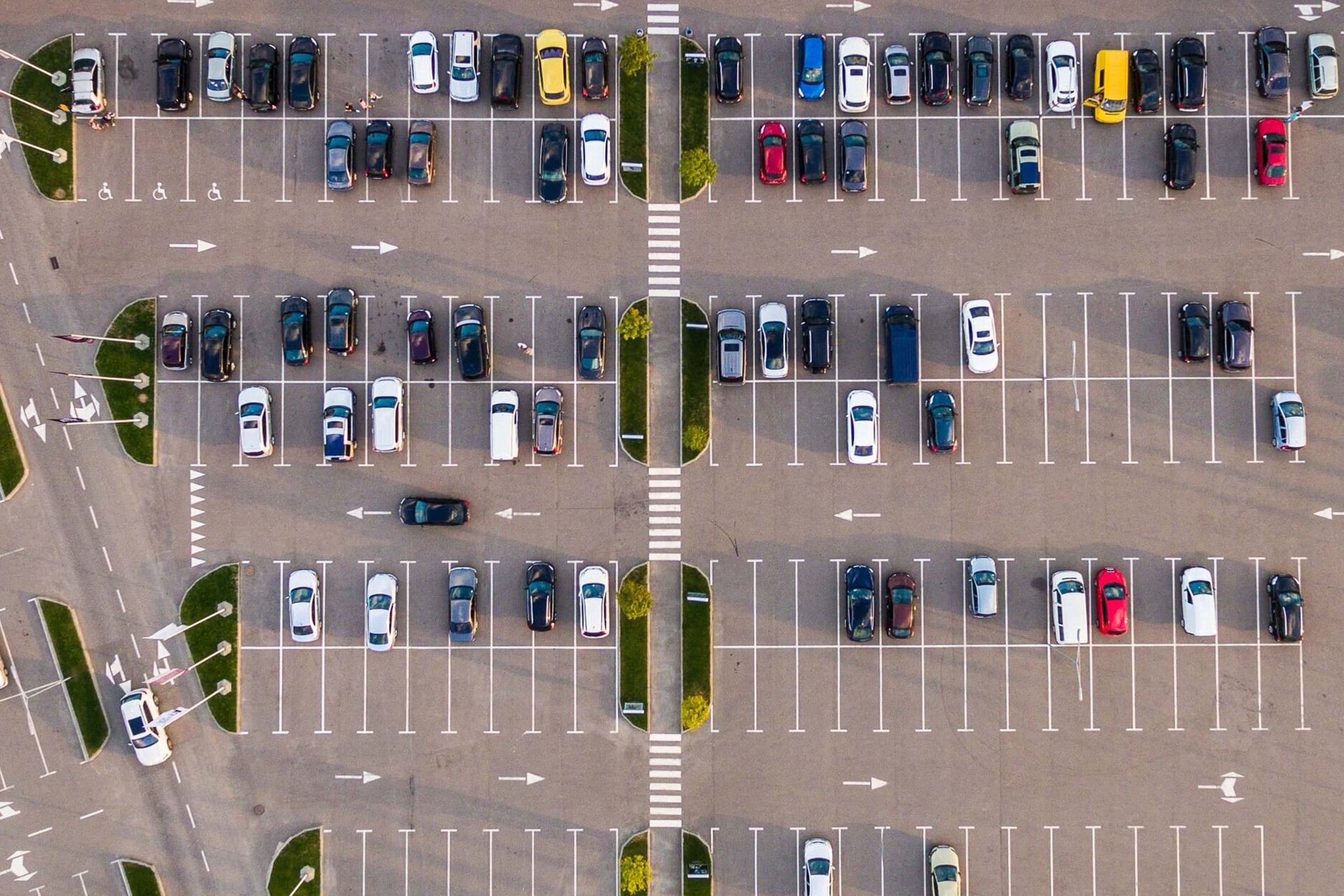
Illustration 4: A parking lot, image from: What Does Off-Street Parking Mean for Drivers? | Curbstand
In addition, tolls on bridges, highways, and tunnels can feel like a tax for every trip you take. Planning routes in advance, seeking less expensive or residential parking options, and consolidating trips can help reduce these costs.
In some cities, car-sharing arrangements or choosing neighborhoods with better parking availability can also significantly ease this burden.
Insurance: The Price of “What If?”
Insurance is unavoidable, and premiums are influenced by location, driving record, age and the type of vehicle. Even with coverage, deductibles mean that drivers still pay a significant portion of repairs themselves.
Compare providers regularly. Update policies to reflect your current driving situation. Raise deductibles when financially safe. These actions can lower costs without sacrificing protection. For some households, switching to a car that has lower insurance premiums or bundling policies can also yield substantial savings.
Registration and Taxes
Annual or periodic fees for registration, emissions testing and road taxes are mandatory. While individually small, they add up over time.
Choosing a vehicle with lower annual fees or that meets the highest emissions standards can reduce the cost of compliance. Staying aware of renewal deadlines also avoids late penalties, which are essentially wasted money.
Tires, Cleaning and Accessories
Tires wear down constantly, and replacing them is unavoidable. Seasonal changes often require additional sets, and premium tires carry a premium cost.

Illustration 5: F1 Tires. Image from Why do F1 cars need warm tyres? | Radio Times
Buy tires off-season. Select reputable but cost-effective brands. Keep them properly aligned and rotated to extend their life. This minimizes expenses.
Similarly, car washes, detailing, and optional accessories are not strictly necessary. Prioritizing functionality over aesthetics can prevent money from leaking away unnecessarily. Treating your car as a tool rather than a status symbol can save thousands over the years.
The Psychology of driving and spending
Cars encourage behaviors that increase costs. We drive more. We explore distant stores. We justify additional purchases simply because we have the means to do so.
Being consciously aware of these patterns can help. Track expenses diligently. Limit unnecessary trips. Evaluate the real cost before buying non-essential items. These actions can help curb the financial impact. Even considering whether one car is sufficient for a household can reduce all associated costs dramatically.

Illustration 6: Road Trip Accross America. Image from: 8 consejos para hacer un road trip inolvidable ✍ | Howlanders
The Bottom Lime
Owning a car unlocks opportunities and convenience that few are willing to give up.
The freedom to travel on your own terms is valuable, but it comes at a significant and ongoing cost. Understanding the hidden financial realities is essential. Take proactive steps to reduce these costs. Transform car ownership from a silent drain on your resources into a manageable, predictable expense. Buying used, maintaining your vehicle, driving efficiently, managing insurance and parking, and making conscious choices about accessories and lifestyle are all ways to keep costs under control. A car may take you wherever you want to go, but it should not be the thing that keeps you from getting ahead.