
Steve Jobs, the co-founder of Apple Inc., is one of the most iconic figures in the world of technology and business. His life story is often described as a classic example of going from rags to riches. Born in San Francisco on February 24, 1955, to two University of Wisconsin graduate students, Joanne Schieble and Abdulfattah Jandali, Steve Jobs faced numerous challenges and setbacks throughout his life, but he eventually rose to become a billionaire and one of the most influential innovators of the 21st century. This article will delve into the remarkable journey of Steve Jobs from his humble beginnings to his extraordinary success.
Early Life and Adoption
Steven Paul Jobs was born in San Francasico on February 24, 1955, to Joanne Carole Schieble and Abdulfattah Jandali. Abdulfattah was born in a wealthy muslim Syrian family. He obtained his undergraduate degree at American University of Beirut and pursued a PhD in political science at the University of Wiconsin. There, he met Joanne Schieble, an American Catholic of German descent whose parents owned a mink farm and real estate. The two fell in love but faced opposition from Schieble’s father due to Jandali’s Muslim faith. Steve Jobs’ life began with a turbulent start as shortly after his birth, Joanne Schieble and Abdulfattah Jandali decided to put him up for adoption. Schieble requested that her son be adopted by college graduates. A lawyer and his wife were selected, but they withdrew after discovering that the baby was a boy, so Jobs was instead adopted by Paul Reinhold and Clara (née Hagopian) Jobs. Paul and Clara Jobs, working-class couple from Mountain View, California ended up adopting him. This marked the beginning of Steve Jobs’ upbringing in a modest and middle-class family, setting the stage for his journey from rags to riches.

Figure 1: Steve Jobs childhood house in Palo Alto where Apple was founded in the garage
Childhood an Early Interests
Jobs had difficulty functioning in a traditional classroom, tended to resist authority figures, frequently misbehaved, and was suspended a few times. Clara had taught him to read as a toddler, and Jobs stated that he was “pretty bored in school and [had] turned into a little terror… you should have seen us in the third grade, we basically destroyed the teacher”. His father Paul (who was abused as a child) never reprimanded him, however, and instead blamed the school for not challenging his brilliant son. As a child, Steve showed an early interest in electronics, often tinkering with household appliances alongside his adoptive father, Paul Jobs. This early exposure to technology and innovation would prove to be crucial in shaping his future. His parents encouraged his curiosity and even bought him his first chemistry set
. When he was 13, in 1968, Jobs was given a summer job by Bill Hewlett (of Hewlett-Packard) after Jobs cold-called him to ask for parts for an electronics project.
In high school Jobs developed two different interests: electronics and literature. Jobs later noted to his official biographer that “I started to listen to music a whole lot, and I started to read more outside of just science and technology—Shakespare, Plato. I loved King Lear… when I was a senior I had this phenomenal AP English Class.” In 1971, after Wozniak his best friend began attending University of California, Berkley, Jobs would visit him there a few times a week. This experience led him to study in nearby Stanford University’s student union. Instead of joining the electronics club, Jobs put on light shows with a friend for Homestead’s avant-grade jazz program. H

Figure 2: Steve Jobs High School Picture
e was described by a high school classmate as “kind of brain and kind of hippie … but he never fit into either group. He was smart enough to be a nerd, but wasn’t nerdy. And he was too intellectual for the hippies, who just wanted to get wasted all the time. He was kind of an outsider. In high school everything revolved around what group you were in, and if you weren’t in a carefully defined group, you weren’t anybody. He was an individual, in a world where individuality was suspect.”
Education and early exposure to Technology
After completing high school, Jobs enrolled at Reed College in Portland, Oregon. However, he found the formal education system uninspiring and dropped out after just six months. He also said he dropped out because he did not want to spend his parents’ money on an education that seemed meaningless to him. He continued to attend by auditing his classes, including a course on calligraphy. In a 2005 commencement speech at Stanford University, Jobs stated that during this period, he slept on the floor in friends’ dorm rooms, returned coca cola bottles for food money, and got weekly free meals at the local Hare Krishna temple. In that same speech, Jobs said: “If I had never dropped in on that single Calligraphy course in college, the Mac would have never had multiple typefaces proportionally spaced fonts Instead. This meant that this seemingly unrelated calligraphy course later influence the design and aesthetics of Apple products, demonstrating his unique ability to connect seemingly unrelated dots.
In 1974, Steve Jobs returned to California and began attending meetings of the Homebrew Computer Club with his friend, Steve Wozniak. The club was a gathering of technology enthusiasts and hobbyists, and it was at these meetings that Jobs and Wozniak were exposed to the world of early personal computing. It was here that they first conceptualized the idea of building and selling personal computers.
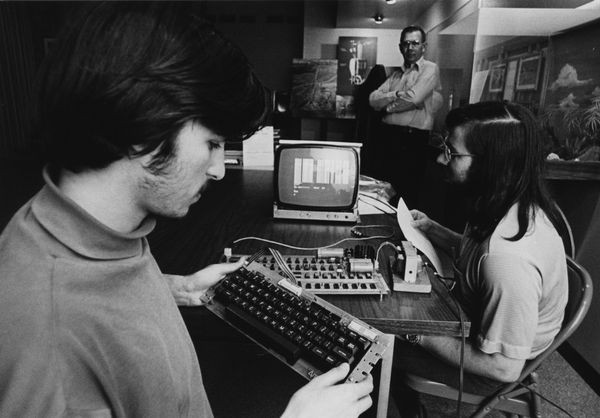
Figure 3: Jobs and Wozniak at the Homebrew Computer Club
The Birth of Apple
In 1976, Steve Jobs and Steve Wozniak co-founded Apple Computer, Inc. in the Jobs family garage. The name Apple was decided after Jobs came back All Onee farm commune in Oregon and told Wozniak about the farms apple orchard. They introduced the Apple I, their first computer, and sold it to a local retailer. The success of the Apple I led to the development of the Apple II, which would become one of the first highly successful mass-produced personal computers.
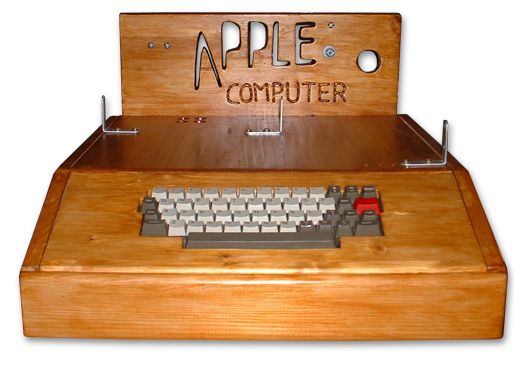
Figure 4: An Apple I computer
Apple Inc. was officially incorporated in 1977, and with Jobs’ vision and Wozniak’s technical expertise, the company started to gain recognition and success. They were pioneers in making technology accessible to the average person, a theme that would define Jobs’ career.
The turning point in Steve Jobs’ life came when he hired John Sculley from PepsiCo to become Apple’s CEO in 1983. This decision ultimately led to Jobs’ removal from the Macintosh division. In 1985, he left Apple, the company he co-founded, under strained circumstances.
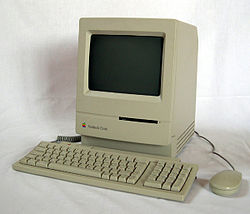
Figure 5: An apple Macintosh
Next Computer and Pixar
After leaving Apple, Jobs founded NeXT Computer, a company aimed at creating high-end computers for the education and business markets. Although NeXT Computer did not achieve commercial success, it played a pivotal role in Jobs’ personal growth. The company’s technology and software eventually found its way into the Apple ecosystem, contributing to Apple’s resurgence in the 1990s.
During this period, Jobs also acquired a majority stake in The Graphics Group, which later became Pixar Animation Studios. Under his leadership, Pixar produced a string of blockbuster animated films, including “Toy Story” and “Finding Nemo,” revolutionizing the animation industry and generating substantial wealth for Jobs.
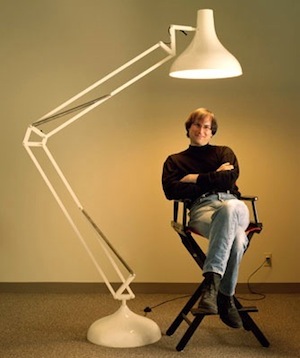
Figure 6: Steve Jobs at Pixar Studios
Return to Apple
In 1996, Apple was on the verge of bankruptcy. The company’s stock price had plummeted, and its future looked bleak. Apple’s board, recognizing the need for a visionary leader, decided to acquire NeXT Computer and bring Steve Jobs back to the company. This was a pivotal moment that set the stage for one of the most remarkable comebacks in business history.
Steve Jobs returned to Apple as its interim CEO in 1997, and he quickly made dramatic changes. He simplified the product lineup, streamlined the company’s operations, and infused Apple with his design sensibilities. Under his leadership, Apple released a series of iconic products, including the iMac, iPod, iPhone, and iPad, which transformed the company into a global technology powerhouse.
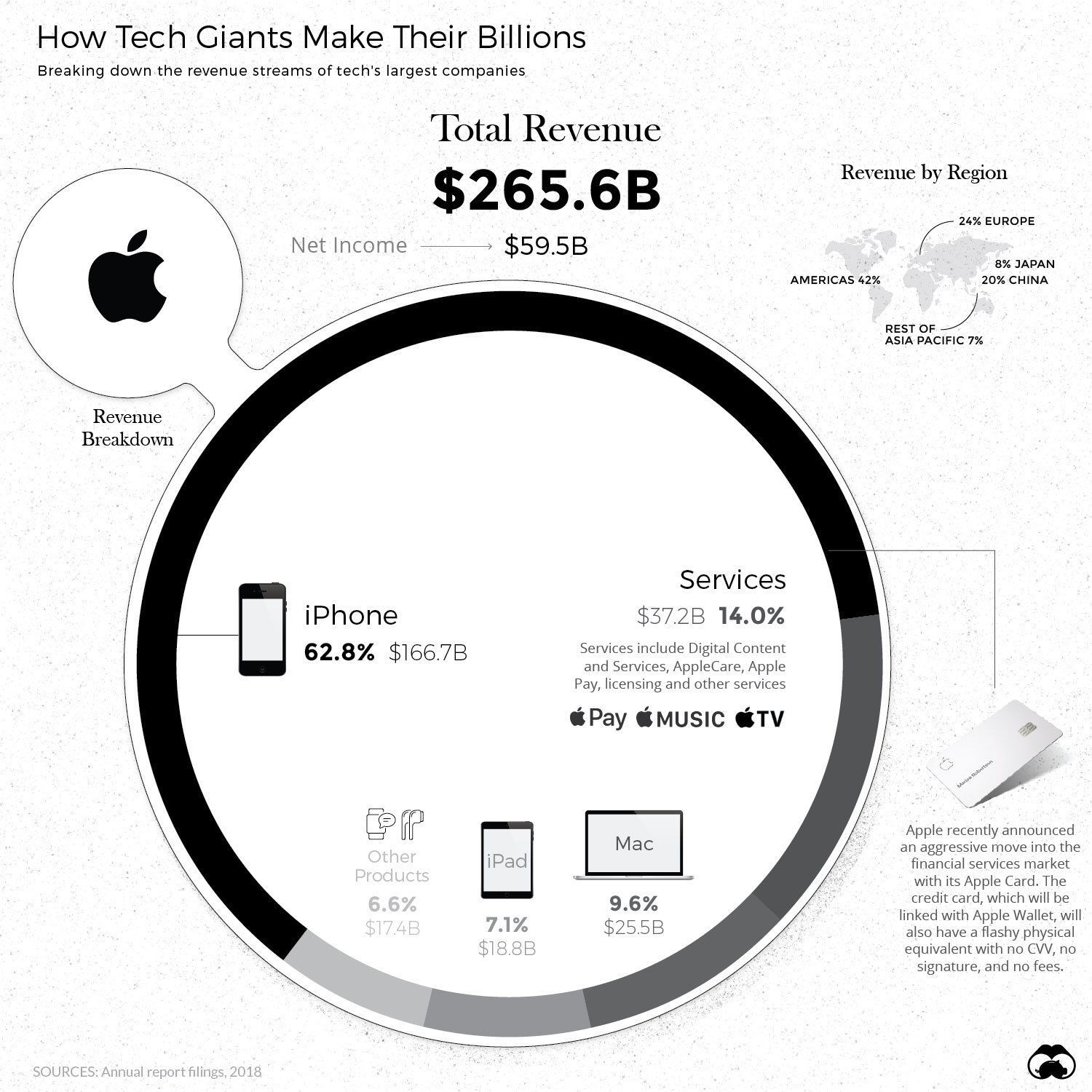
Figure 7: Apple revenue breakdown.Retrieved from https://www.visualcapitalist.com/how-tech-giants-make-billions/
Innovative Products and Design Philosophy
One of Steve Jobs’ most significant contributions to Apple and the technology industry at large was his relentless pursuit of innovation and his commitment to design excellence. He was known for his perfectionism and his ability to bring together art and technology. Jobs believed that products should be not only functional but also beautiful and user-friendly.
The iPhone, introduced in 2007, marked a revolution in the smartphone industry. Its sleek design, intuitive interface, and App Store ecosystem changed the way people interacted with technology. The iPhone became a cultural phenomenon, and it propelled Apple to new heights of success.
Legacy and Impact
Steve Jobs’ vision, leadership, and innovation left an indelible mark on the world of technology and business. He passed away on October 5, 2011, but his legacy lives on through the company he co-founded and the products he helped create.
Apple Inc. remains one of the most valuable and influential companies in the world, consistently producing groundbreaking products that shape the future of technology. Under Jobs’ guidance, Apple became the first trillion-dollar company, a testament to his ability to turn a struggling business into a global juggernaut.
Jobs’ approach to business was driven by his passion for innovation and his belief in the power of simplicity and design. His famous product launches, such as the annual iPhone unveilings, became highly anticipated events that showcased his ability to captivate audiences and build excitement around new technology.
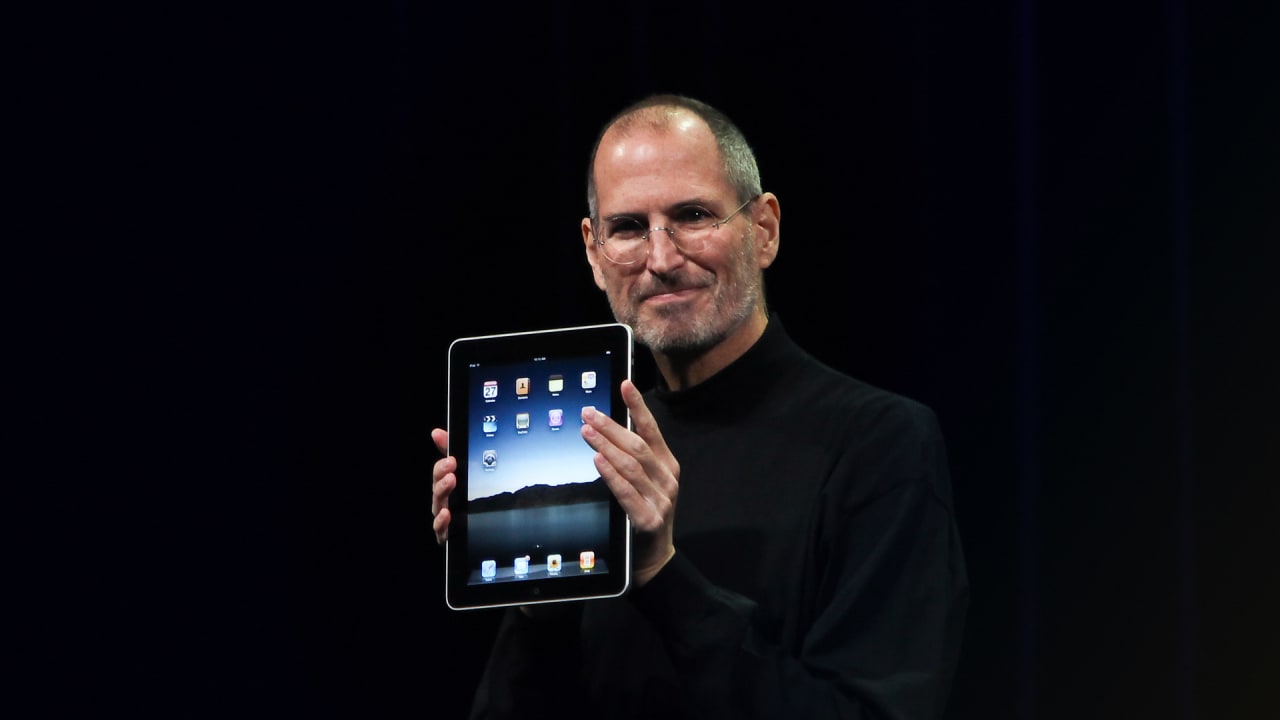
Figure 8: Steve Jobs launches Ipad for the first time
Conclusion
The story of Steve Jobs, from rags to riches, is a testament to the power of vision, determination, and innovation. His journey from a college dropout to a co-founder of Apple Inc., his subsequent ousting from the company, and his triumphant return and impact on the technology industry are nothing short of extraordinary. His ability to combine both technology and art was what made him soo successful has he was able to make the computer attractive and appealing to the broader masses of people.
Steve Jobs’ life story inspires individuals worldwide to think differently, dream big, and push the boundaries of what is possible. His legacy continues to influence the way we live, work, and communicate, leaving an indelible mark on the world and reminding us that even from the humblest beginnings, greatness can be achieved with the right combination of passion, talent, and perseverance.
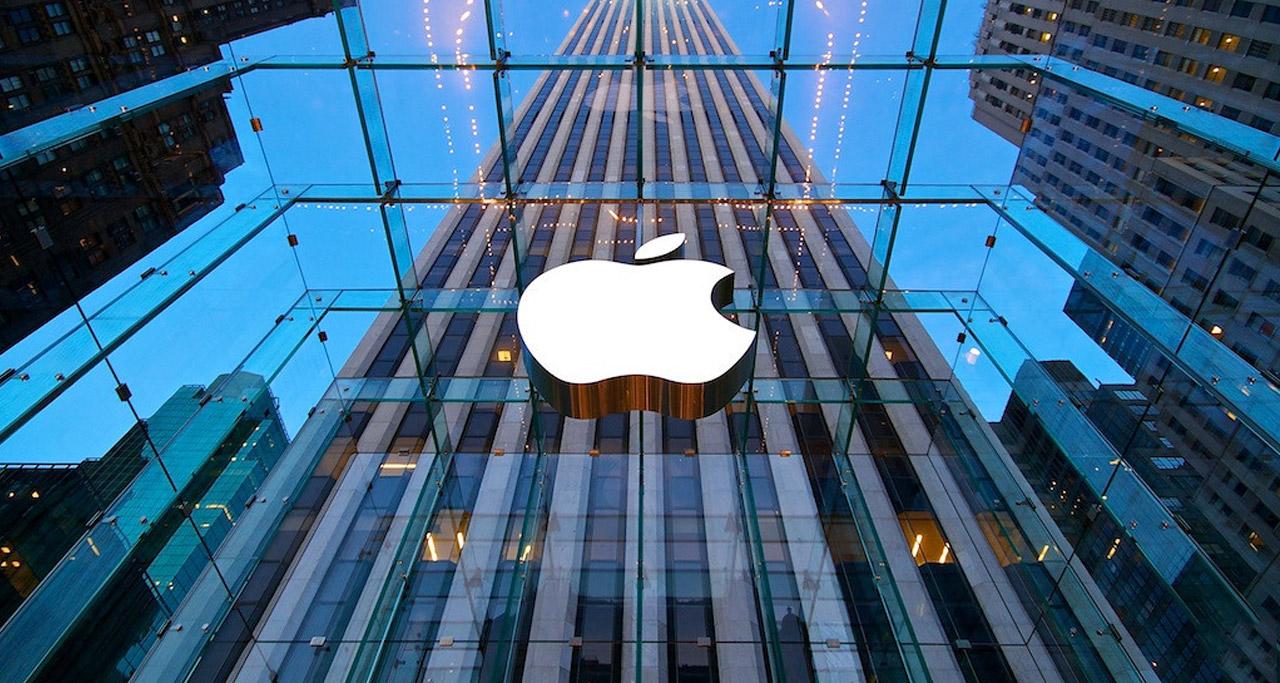
Figure 8: Apple, the small company starting in Jobs garage reached a $1 trillion in value in mid-2018, and it achieved a $2 trillion valuation in August 2020
Leave a Reply