Tag: French Economy

The French Economy: Liberty, Egality and Prosperity

France isn’t just a nation, it’s a force. With centuries of tradition and a flair for revolution, it has evolved into one of the world’s most influential economies. Officially known as the French Republic, France is a founding member of the European Union, the eurozone, the OECD, the G7 and the G20. It also holds a permanent seat on the United Nations Security Council and plays an essential role in global economic governance and international diplomacy.
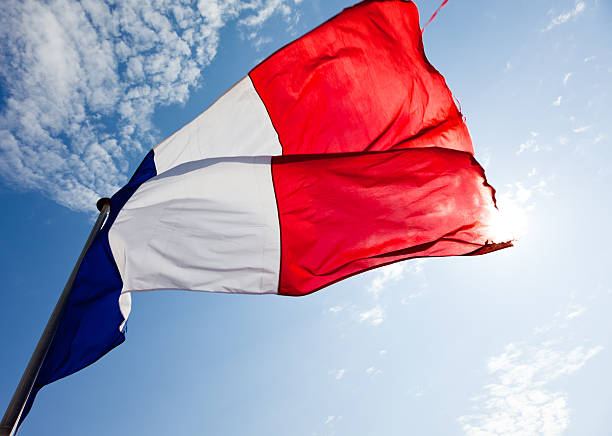
1,900+ French Flag In The Wind Stock Photos, Pictures & Royalty-Free Images  - iStock

Illustration 1: The flag of France in Paris

As of 2024, France commands the world’s seventh-largest economy, with a nominal GDP hovering around $3.2 trillion. That represents nearly 4% of the worlds total GDP and the second-largest in the European Union after Germany.

Paris itself is an economic behemoth and financial powerhouse, ranking as the first city in Europe (and 3rd worldwide) by the number of Fortune Global 500 company headquarters. Paris produces around around 1/3 of GDP of the French economy outpacing that of entire countries, rivaling cities like Tokyo or New York.

The French economy reflects a mixed economic model in which state-directed industrial strategy, capitalist enterprise, and robust social protections coexist. Its economy is classified as a highly developed social market economy with notable state participation in strategic sectors like like defense, nuclear energy, aerospace, and telecommunications.

4,400+ Paris Fashion Stock Illustrations, Royalty-Free Vector Graphics &  Clip Art - iStock | Vintage paris fashion, Retro paris fashion, Paris  fashion week street

Illustration 2: A drawing of Paris, the economic heart of France

This article dives deep into the beating heart of the French economy, uncovering its foundations, historical evolution, structure, strengths and growing pains. Perfect for anyone considering an investment in France, whether through its stock markets or in itsbroader economic landscape.

A Journey Through Time

The economic history of France traces back centuries to the development of trade routes during the Middle Ages and the rise of mercantilist policies during the reigns of monarchs like Louis XIV. France emerged as one of Europe’s earliest centralized states, using its bureaucracy and military strength to accumulate wealth through colonies, manufacturing and trade.


The Industrial Revolution in the 19th century transformed the French economy. Railways, textile factories, steelworks, and mines sprang up across the country. The banking system modernized, and Paris became one of the financial centers of Europe. At the same time, France expanded its global empire across Africa, Southeast Asia, and the Caribbean, gaining access to raw materials and export markets. This colonial legacy would influence France’s global economic footprint well into the 20th century.

French Settlers with Madagascar Woman, 19th Century. Art Prints, Posters &  Puzzles from Fine Art Finder

Illustration 3: French soldiers in Madagascar. French colonies gave it access to raw materials and impacts the countries economic footprint to this day.

World War I and World War II were catastrophic for the French economy. Infrastructure was decimated, industries were disrupted, and millions were killed or displaced. After the Nazi occupation and liberation, the country faced the colossal task of reconstruction.

Post-War Recovery and Economic Planning

After 1945, France embarked on a unique form of state-led capitalism known as “dirigisme.” Under the guidance of the Monnet Plan, the state coordinated economic reconstruction, investing heavily in key sectors such as steel, energy, transport, and telecommunications. Major companies, including EDF (Electricité de France), SNCF (National Railways), and Renault, were nationalized.

From 1945 to 1975, France experienced what became known as “Les Trente Glorieuses” (The Glorious Thirty), three decades of robust economic growth, urbanization, rising wages, expanding social services, and technological modernization. The economy was characterized by low unemployment, high productivity, and rapid industrialization. The standard of living increased significantly, and a strong middle class emerged. The French economy grew and changed under government direction and planning much more than in other European countries. The government continues to own shares in corporations in several sectors to this day despite having moved away from dirigisme.

This period also saw the development of France’s welfare state. Universal healthcare, pensions, unemployment benefits, and public education became pillars of the French social contract. In contrast to Anglo-American capitalism, France built a model centered on solidarity and state coordination. Among OECD members, France today has a highly efficient and strong social security system, which comprises roughly 31.7% of GDP.
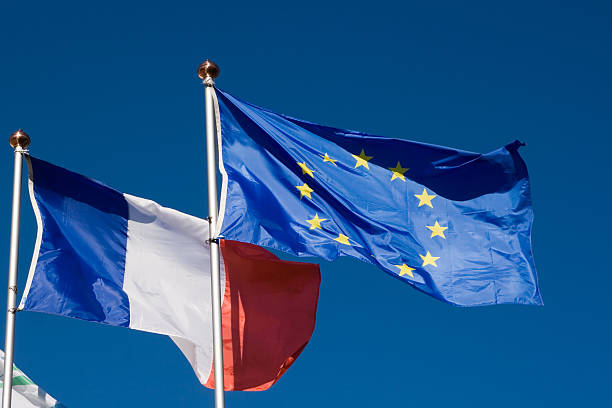
25,100+ National Flag Of France Europe Stock Photos, Pictures &  Royalty-Free Images - iStock

Illustration 4: France is a key player in European integration

European Integration and Global Expansion

France was a key architect of European integration. Alongside Germany, it played a central role in founding the European Coal and Steel Community in 1951, the European Economic Community in 1957, and eventually the European Union. The Maastricht Treaty of 1992 and the adoption of the euro in 1999 further bound France to the fate of continental Europe.


The 1990s and 2000s were characterized by globalization and liberalization. French companies expanded their presence globally, especially in Africa, Asia, and Latin America. Multinational corporations such as TotalEnergies, LVMH, Airbus, Sanofi, and BNP Paribas became global players. Yet this era also brought challenges. Deindustrialization hit hard, especially in the north and east, leading to rising regional disparities and sparking unrest.

The 2008 global financial crisis affected France less severely than other European nations due to its robust banking regulation and strong social safety nets. While its conservative banking regulations cushioned the blow, growth slowed and unemployment surged. Austerity debates dominated politics. Then came the eurozone crisis, further pressuring public finances.

France is a nation of innovation and elegance, but it is also a producer, a builder and a grower. France has a diversified economy, that is dominated by the service sector (which in 2017 represented 78.8% of its GDP), whilst the industrial sector accounted for 19.5% of its GDP and the primary sector (raw materials) accounted for the remaining 1.7%.

Industry

Its industrial base remains one of the most advanced in the world. In 2019, France was the eighth-largest manufacturer globally. It leads in aviation, space, pharmaceuticals, automotive, defense, and nuclear energy.

Industry contributes to French exports: as of 2018, the Observatory of Economic Complexity estimates that France’s largest exports “are led by planes, helicopters, and spacecraft ($43.8 billion), cars ($26 billion), packaged medicaments ($25.7 billion), vehicle parts ($16.5 billion), and gas turbines ($14.4 billion).

Air France launches “Ready to Fly” a pre-travel health document verification

Illustration 5: France remains one of the largest manufacturers of planes in the world

Airbus, headquartered in Toulouse, is a formidable rival to Boeing. French automakers like Renault and Peugeot have long punched above their weight globally.


The French government is the French arms industry’s main customer, mainly buying warships, guns, nuclear weapons and equipment. During the 2000–2015 period, France was the fourth largest weapons exporter in the world. French manufacturers export great quantities of weaponry to Saudi Arabia, the United Arab Emirates, Brazil, Greece, India, Pakistan, Taiwan, Singapore and many others. 
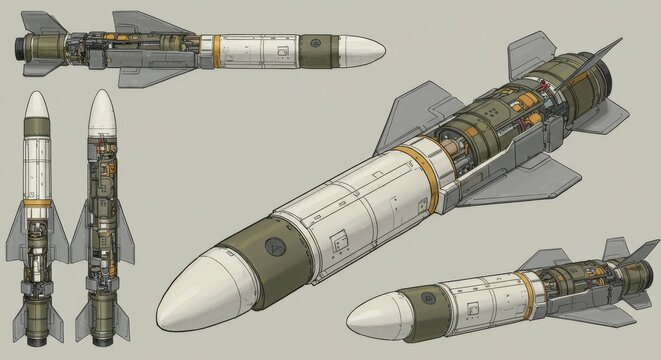
Isometric Missile Images – Browse 1,752 Stock Photos, Vectors, and Video |  Adobe Stock

Illustration 6: France is a big military manufacturer of weapons including missiles.

France is the world-leading country in nuclear energy, home of global energy giants Areva, EDF and GDF Suez: nuclear power now accounts for about 78% of the country’s electricity production, up from only 8% in 1973, 24% in 1980, and 75% in 1990. Nuclear waste is stored on site at reprocessing facilities.

Due to its heavy investment in nuclear power, France is the smallest emitter of carbon dioxide among the seven most industrialised countries in the world. Due to its overwhelming reliance on nuclear power, renewable energies have seen relatively little growth compared to other Western countries.

Agriculture

Agriculture represents about 2 percent of GDP but plays a disproportionately large role within the European Union. rance is the world’s sixth largest agricultural producer and EU’s leading agricultural power, accounting for about one-third of all agricultural land within the EU.

Bring France to Your Shelf: Affordable and Authentic French Wines From FCC  | First Choice Cellars

Illustration 7: France is internationally well know forits wine and cheese.

France is the EU’s largest agricultural producer, known for its wheat, dairy, wine, and meat industries. The country benefits significantly from the EU’s Common Agricultural Policy.

Northern France is characterised by large wheat farms. Dairy products, pork, poultry, and apple production are concentrated in the western region. Beef production is located in central France, while the production of fruits, vegetables, and wine ranges from central to southern France. France is a large producer of many agricultural products and is currently expanding its forestry and fishery industries.


France is the world’s second-largest agricultural exporter, just behind the U.S., with nearly half its exports going to EU countries and many others to food-insecure African nations (including former colonies) facing food shortages. Its top exports, wheat, meat, poultry, and dairy, face little competition at home.
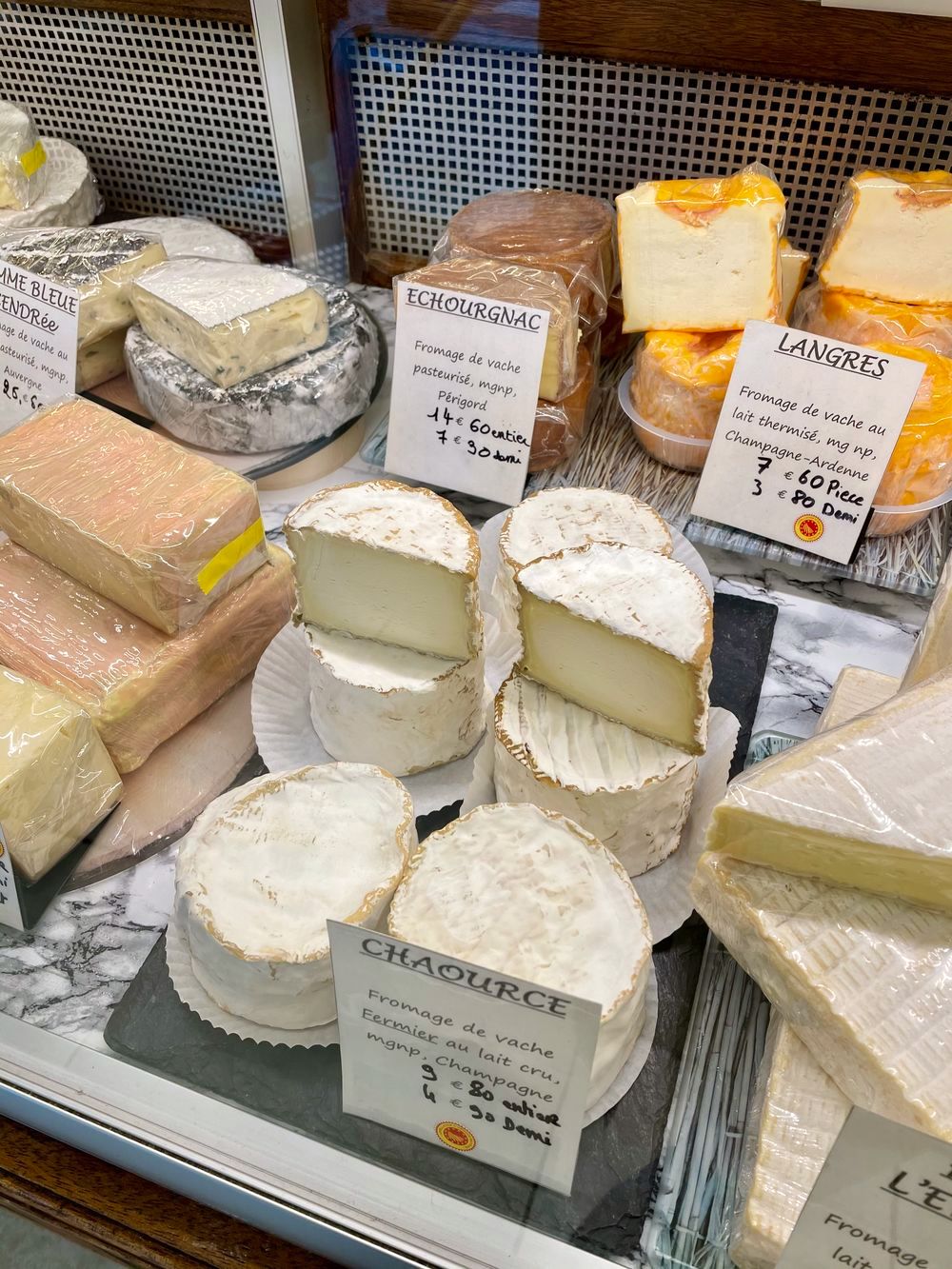
9 Types of French Cheese: A Guide to the Iconic Varieties of France

Illustration 8: French cheese is world renowned and dominated high-end markets.

In contrast, U.S. exports to France, worth about $600 million annually, are mostly soy products, feed, seafood, and snacks. Meanwhile, France sends premium goods like wine, cheese, and gourmet foods to the U.S., dominating the high-end market.

Tourism, Fashion, and Cultural Capital

France is the crown jewel of global tourism. It attracts more foreign visitors than any other country—over 83 million in 2014 alone. From the lavender fields of Provence to the vineyards of Bordeaux, from the Eiffel Tower to the Riviera, tourism generates jobs and revenue across every region.

Paris is considered one of the world’s foremost fashion capitals, or even “the world’s fashion capital”.The French tradition for haute couture has been estimated to start as early as the era of Louis XIV, the Sun King. The city’s fashion weeks shape global trends and cement France’s status as a tastemaker.

According to 2017 data compiled by Deloitte, Louis Vuitton Moet Hennessey (LVMH), a French brand, is the largest luxury company in the world by sales, selling more than twice the amount of its nearest competitor. Moreover, France also possesses 3 of the top 10 luxury goods companies by sales (LVMH, Kering SA, L’Oréal), more than any other country in the world.

Best french clothing brands discount

Illustration 9: Some of the most famous French fashion brands showing its dominance over the high-end fashion market.

In 2020, France emerged as Europe’s leading destination for foreign direct investment and the continent’s second-largest investor in research and development. It was ranked among the ten most innovative countries in the world by the Bloomberg Innovation Index and placed fifteenth in the Global Competitiveness Report.


France has long been a center of scientific innovation. The country invests heavily in research and development, with strong public research institutions and engineering schools. The “France 2030” plan, launched in 2021, allocated 30 billion euros to advance technologies such as electric vehicles, green hydrogen, semiconductors, and biomedicine.
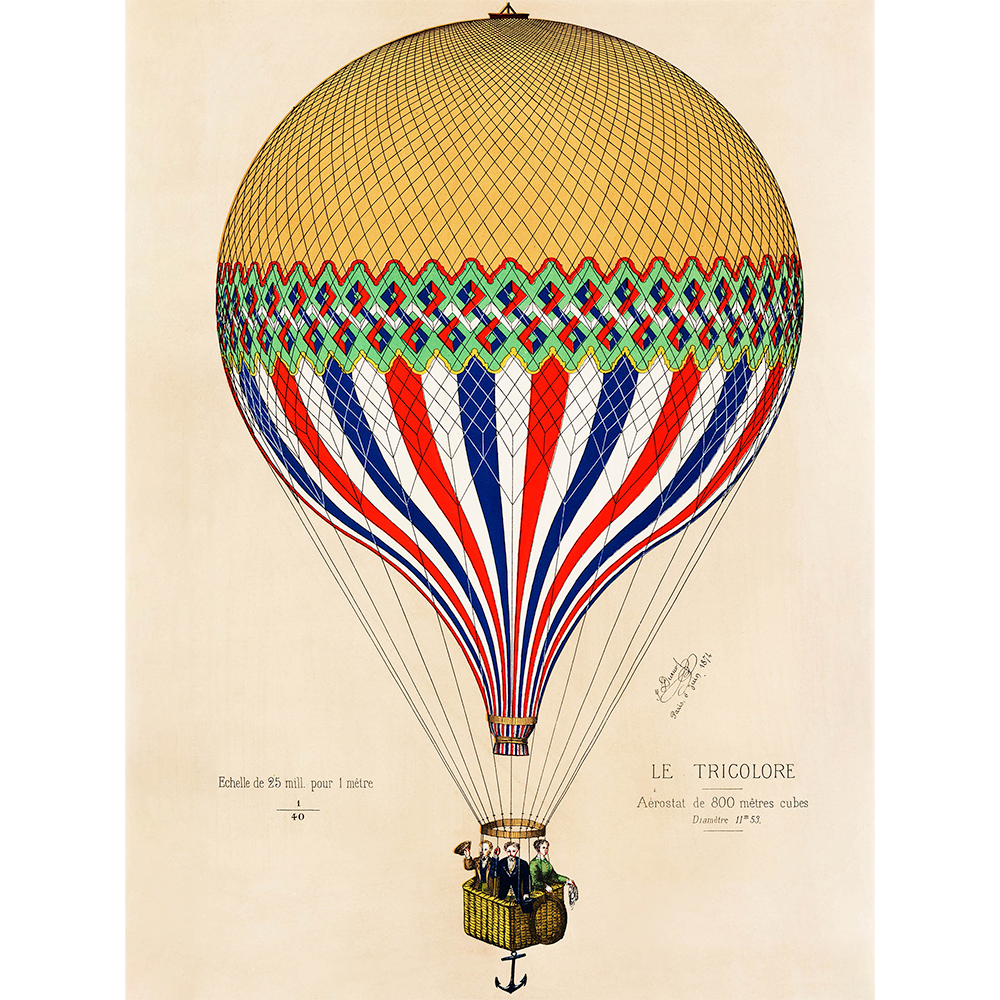
Vintage Hot Air Balloon Art The Tricolor With French Flag Paris, 1874 – The  Art Print Company

Illustration 10: The hot air balloon is a symbol of French innovation.

France is also a leader in environmental policy. It has committed to carbon neutrality by 2050 and is investing in renewable energy, sustainable transport, and green building standards. The transition away from fossil fuels is supported by public and private investment, although nuclear energy remains a central pillar of the national energy strategy.

With 31 companies that are part of the world’s biggest 500 companies, France was in 2020 the most represented European country in the 2020 Fortune Global 500, ahead of Germany (27 companies) and the UK (22). As of August 2020, France was also the country that weighed the most on the Eurozone’s EURO STOXX 50 (representing 36.4% of all total assets), ahead of Germany (35.2%). Several French corporations rank amongst the largest in their industries such as Axa in insurance and Air France in air transportation.

France’s social model is one of the most comprehensive in the world. It includes universal healthcare, extensive unemployment insurance, family allowances, and one of the most generous pension systems. Public spending accounts for more than 55 percent of GDP, among the highest in the OECD.

French workers enjoy significant protections, including a 35-hour workweek for full-time employment, mandatory paid vacation, and strong unions in the public sector. However, youth unemployment remains high, currently at 7.4 percent. Informal and precarious work has increased, and there is a growing divide between protected permanent workers and vulnerable temporary workers.

To explain why French per capita GDP is lower than that of the United States, the economist Paul Krugman stated that “French workers are roughly as productive as US workers”, but that the French have a lower workforce participation rate, and “when they work, they work fewer hours”. According to Krugman, the difference is due to the French making “different choices about retirement and leisure”.

France faces demographic challenges due to an aging population. Life expectancy continues to rise, but fertility rates have declined, putting pressure on the pension and healthcare systems. Immigration has played a role in stabilizing population growth, though it remains a very politically sensitive and dividing issue.


Economic inequality is moderate by OECD standards, thanks to redistribution through taxes and social benefits. However, disparities persist. Paris and other urban centers experience high living costs, while rural areas and former industrial regions suffer from lower access to services and employment. The rise of the “Gilets Jaunes” (Yellow Vests) movement in 2018 reflected a broader sense of economic exclusion and frustration with fuel taxes, wage stagnation, and regional neglect.

r/MapPorn - GDP per capita (PPP) of French departments (Source: Eurostat)

Illustration 11: GDP per capita map of all French departements

The economic disparity between French regions is not as high as that in other European countries such as the UK or Italy. However, Europe’s wealthiest and second-largest regional economy, Ile-de-France (the region surrounding Paris), has long profited from the capital city’s economic hegemony.

The Government of France has run a budget deficit each year since the early 1970s. As of 2021, French government debt reached an equivalent of 118.6% of French GDP. Under European Union rules, member states are supposed to limit their debt to 60% of output or be reducing the ratio structurally towards this ceiling, and run public deficits of no more than 3.0% of GDP.

Back in late 2012, mounting concerns over France’s rising public debt began to alarm global credit-rating agencies. Warnings soon turned into action as Moody’s, Standard & Poor’s (S&P), and Fitch all stripped France of its prized AAA rating, downgrading it to AA+. The slide didn’t stop there. By December 2014, both Fitch and S&P lowered France’s rating again, this time to AA. As of now, France holds an AA- rating from most major agencies, while Moody’s assigns it an Aa3. The latest downgrade came in 2023, driven by sluggish economic growth of just 0.2%, persistent inflation, tighter credit conditions, and unrelenting pressure on public finances.

Investor anxiety intensified on September 26, 2024, when France’s 10-year bond yields rose to 2.97%, surpassing Spain’s for the first time since 2007. This marked a significant shift in perception.


Despite France traditionally enjoying stronger credit ratings, its borrowing costs began to reflect deeper concerns. Bond yields edged higher than Portugal’s and crept toward levels seen in Italy and Greece, countries often viewed as far more vulnerable within the eurozone. The message from the markets was clear: doubts were growing over France’s ability to manage its debt effectively.

France is an integral part of the global economy. It is a founding member of the World Trade Organization, a major investor in developing countries, and an influential voice in international forums. Its multinational corporations span every continent, and it maintains strong trade links with Germany, China, the United States, and its former colonies.

French foreign policy often emphasizes “strategic autonomy,” advocating for economic sovereignty, cultural independence, and technological self-sufficiency. The state continues to protect key industries from foreign takeovers and plays a significant role in setting European industrial and competition policy.

France’s economy is defined by its complexity, adaptability, and resilience. From its origins in feudal commerce to its modern incarnation as a globalized and innovation-driven economy, France has continually reinvented itself. The state has played a guiding hand in shaping its industrial landscape, social protections, and international ambitions.

Although the country faces ongoing challenges — including public debt, demographic shifts, labor market rigidity, and inequality — its economic foundation remains strong. With a commitment to sustainability, technological advancement, and social solidarity, France is well-positioned to remain a leading economy in the 21st century with leading companies and a leading stock market. Like its history, the future of the French economy will likely be shaped by a careful balance of tradition and transformation.


Exports

RankCountryAmount
1. Germany70.1
2. United States40.4
3. Belgium
 Luxembourg
36.7
4. Italy35.3
5. United Kingdom35.3
6. Spain34.6
7. China18.6
8. Netherlands16.8
9. Switzerland16.2
10. Japan8.9
11. Poland7.9
12. Singapore7.8
13. Turkey7.5
14. Hong Kong6.4
15. Ireland6.3
16. Russia6.1
17. Sweden5.7
18. South Korea5.7
19. Algeria5.3
20. Portugal5.3

Imports

RankCountryAmount
1. Germany99.8
2. China47.9
3. Italy43.7
4. Belgium
 Luxembourg
41.6
5. United States37.9
6. Spain37.1
7. Netherlands26.4
8. United Kingdom22.4
9. Switzerland15.8
10. Poland10.4
11. Japan10.1
12. Ireland7.6
13. Czech Republic7.6
14. Turkey7.5
15. Norway6.4
16. Portugal6.3
17. Sweden6.0
18. Austria5.6
19. India5.1
20. Vietnam5.0

Total Trade

RankCountryAmount
1. Germany169.9
2. Italy79.0
3. United States78.3
4. Belgium
 Luxembourg
78.3
5. Spain71.7
6. China66.5
7. United Kingdom57.7
8. Netherlands43.2
9. Switzerland32.0
10. Japan19.0

The French Economy: Liberty, Egality and Prosperity

France isn’t just a nation, it’s a force. With centuries of tradition and a flair for revolution, it has evolved into one of the world’s most influential economies. Officially known as the French Republic, France is a founding member of the European Union, the eurozone, the OECD, the G7 and the G20. It also holds a permanent seat on the United Nations Security Council and plays an essential role in global economic governance and international diplomacy.

1,900+ French Flag In The Wind Stock Photos, Pictures & Royalty-Free Images  - iStock

Illustration 1: The flag of France in Paris

As of 2024, France commands the world’s seventh-largest economy, with a nominal GDP hovering around $3.2 trillion. That represents nearly 4% of the worlds total GDP and the second-largest in the European Union after Germany.

Paris itself is an economic behemoth and financial powerhouse, ranking as the first city in Europe (and 3rd worldwide) by the number of Fortune Global 500 company headquarters. Paris produces around around 1/3 of GDP of the French economy outpacing that of entire countries, rivaling cities like Tokyo or New York.

The French economy reflects a mixed economic model in which state-directed industrial strategy, capitalist enterprise, and robust social protections coexist. Its economy is classified as a highly developed social market economy with notable state participation in strategic sectors like like defense, nuclear energy, aerospace, and telecommunications.

4,400+ Paris Fashion Stock Illustrations, Royalty-Free Vector Graphics &  Clip Art - iStock | Vintage paris fashion, Retro paris fashion, Paris  fashion week street

Illustration 2: A drawing of Paris, the economic heart of France

This article dives deep into the beating heart of the French economy, uncovering its foundations, historical evolution, structure, strengths and growing pains. Perfect for anyone considering an investment in France, whether through its stock markets or in itsbroader economic landscape.

A Journey Through Time

The economic history of France traces back centuries to the development of trade routes during the Middle Ages and the rise of mercantilist policies during the reigns of monarchs like Louis XIV. France emerged as one of Europe’s earliest centralized states, using its bureaucracy and military strength to accumulate wealth through colonies, manufacturing and trade.


The Industrial Revolution in the 19th century transformed the French economy. Railways, textile factories, steelworks, and mines sprang up across the country. The banking system modernized, and Paris became one of the financial centers of Europe. At the same time, France expanded its global empire across Africa, Southeast Asia, and the Caribbean, gaining access to raw materials and export markets. This colonial legacy would influence France’s global economic footprint well into the 20th century.

French Settlers with Madagascar Woman, 19th Century. Art Prints, Posters &  Puzzles from Fine Art Finder

Illustration 3: French soldiers in Madagascar. French colonies gave it access to raw materials and impacts the countries economic footprint to this day.

World War I and World War II were catastrophic for the French economy. Infrastructure was decimated, industries were disrupted, and millions were killed or displaced. After the Nazi occupation and liberation, the country faced the colossal task of reconstruction.

Post-War Recovery and Economic Planning

After 1945, France embarked on a unique form of state-led capitalism known as “dirigisme.” Under the guidance of the Monnet Plan, the state coordinated economic reconstruction, investing heavily in key sectors such as steel, energy, transport, and telecommunications. Major companies, including EDF (Electricité de France), SNCF (National Railways), and Renault, were nationalized.

From 1945 to 1975, France experienced what became known as “Les Trente Glorieuses” (The Glorious Thirty), three decades of robust economic growth, urbanization, rising wages, expanding social services, and technological modernization. The economy was characterized by low unemployment, high productivity, and rapid industrialization. The standard of living increased significantly, and a strong middle class emerged. The French economy grew and changed under government direction and planning much more than in other European countries. The government continues to own shares in corporations in several sectors to this day despite having moved away from dirigisme.

This period also saw the development of France’s welfare state. Universal healthcare, pensions, unemployment benefits, and public education became pillars of the French social contract. In contrast to Anglo-American capitalism, France built a model centered on solidarity and state coordination. Among OECD members, France today has a highly efficient and strong social security system, which comprises roughly 31.7% of GDP.

25,100+ National Flag Of France Europe Stock Photos, Pictures &  Royalty-Free Images - iStock

Illustration 4: France is a key player in European integration

European Integration and Global Expansion

France was a key architect of European integration. Alongside Germany, it played a central role in founding the European Coal and Steel Community in 1951, the European Economic Community in 1957, and eventually the European Union. The Maastricht Treaty of 1992 and the adoption of the euro in 1999 further bound France to the fate of continental Europe.


The 1990s and 2000s were characterized by globalization and liberalization. French companies expanded their presence globally, especially in Africa, Asia, and Latin America. Multinational corporations such as TotalEnergies, LVMH, Airbus, Sanofi, and BNP Paribas became global players. Yet this era also brought challenges. Deindustrialization hit hard, especially in the north and east, leading to rising regional disparities and sparking unrest.

The 2008 global financial crisis affected France less severely than other European nations due to its robust banking regulation and strong social safety nets. While its conservative banking regulations cushioned the blow, growth slowed and unemployment surged. Austerity debates dominated politics. Then came the eurozone crisis, further pressuring public finances.

France is a nation of innovation and elegance, but it is also a producer, a builder and a grower. France has a diversified economy, that is dominated by the service sector (which in 2017 represented 78.8% of its GDP), whilst the industrial sector accounted for 19.5% of its GDP and the primary sector (raw materials) accounted for the remaining 1.7%.

Industry

Its industrial base remains one of the most advanced in the world. In 2019, France was the eighth-largest manufacturer globally. It leads in aviation, space, pharmaceuticals, automotive, defense, and nuclear energy.

Industry contributes to French exports: as of 2018, the Observatory of Economic Complexity estimates that France’s largest exports “are led by planes, helicopters, and spacecraft ($43.8 billion), cars ($26 billion), packaged medicaments ($25.7 billion), vehicle parts ($16.5 billion), and gas turbines ($14.4 billion).

Air France launches “Ready to Fly” a pre-travel health document verification

Illustration 5: France remains one of the largest manufacturers of planes in the world

Airbus, headquartered in Toulouse, is a formidable rival to Boeing. French automakers like Renault and Peugeot have long punched above their weight globally.


The French government is the French arms industry’s main customer, mainly buying warships, guns, nuclear weapons and equipment. During the 2000–2015 period, France was the fourth largest weapons exporter in the world. French manufacturers export great quantities of weaponry to Saudi Arabia, the United Arab Emirates, Brazil, Greece, India, Pakistan, Taiwan, Singapore and many others. 

Isometric Missile Images – Browse 1,752 Stock Photos, Vectors, and Video |  Adobe Stock

Illustration 6: France is a big military manufacturer of weapons including missiles.

France is the world-leading country in nuclear energy, home of global energy giants Areva, EDF and GDF Suez: nuclear power now accounts for about 78% of the country’s electricity production, up from only 8% in 1973, 24% in 1980, and 75% in 1990. Nuclear waste is stored on site at reprocessing facilities.

Due to its heavy investment in nuclear power, France is the smallest emitter of carbon dioxide among the seven most industrialised countries in the world. Due to its overwhelming reliance on nuclear power, renewable energies have seen relatively little growth compared to other Western countries.

Agriculture

Agriculture represents about 2 percent of GDP but plays a disproportionately large role within the European Union. rance is the world’s sixth largest agricultural producer and EU’s leading agricultural power, accounting for about one-third of all agricultural land within the EU.

Bring France to Your Shelf: Affordable and Authentic French Wines From FCC  | First Choice Cellars

Illustration 7: France is internationally well know forits wine and cheese.

France is the EU’s largest agricultural producer, known for its wheat, dairy, wine, and meat industries. The country benefits significantly from the EU’s Common Agricultural Policy.

Northern France is characterised by large wheat farms. Dairy products, pork, poultry, and apple production are concentrated in the western region. Beef production is located in central France, while the production of fruits, vegetables, and wine ranges from central to southern France. France is a large producer of many agricultural products and is currently expanding its forestry and fishery industries.


France is the world’s second-largest agricultural exporter, just behind the U.S., with nearly half its exports going to EU countries and many others to food-insecure African nations (including former colonies) facing food shortages. Its top exports, wheat, meat, poultry, and dairy, face little competition at home.

9 Types of French Cheese: A Guide to the Iconic Varieties of France

Illustration 8: French cheese is world renowned and dominated high-end markets.

In contrast, U.S. exports to France, worth about $600 million annually, are mostly soy products, feed, seafood, and snacks. Meanwhile, France sends premium goods like wine, cheese, and gourmet foods to the U.S., dominating the high-end market.

Tourism, Fashion, and Cultural Capital

France is the crown jewel of global tourism. It attracts more foreign visitors than any other country—over 83 million in 2014 alone. From the lavender fields of Provence to the vineyards of Bordeaux, from the Eiffel Tower to the Riviera, tourism generates jobs and revenue across every region.

Paris is considered one of the world’s foremost fashion capitals, or even “the world’s fashion capital”.The French tradition for haute couture has been estimated to start as early as the era of Louis XIV, the Sun King. The city’s fashion weeks shape global trends and cement France’s status as a tastemaker.

According to 2017 data compiled by Deloitte, Louis Vuitton Moet Hennessey (LVMH), a French brand, is the largest luxury company in the world by sales, selling more than twice the amount of its nearest competitor. Moreover, France also possesses 3 of the top 10 luxury goods companies by sales (LVMH, Kering SA, L’Oréal), more than any other country in the world.

Best french clothing brands discount

Illustration 9: Some of the most famous French fashion brands showing its dominance over the high-end fashion market.

In 2020, France emerged as Europe’s leading destination for foreign direct investment and the continent’s second-largest investor in research and development. It was ranked among the ten most innovative countries in the world by the Bloomberg Innovation Index and placed fifteenth in the Global Competitiveness Report.


France has long been a center of scientific innovation. The country invests heavily in research and development, with strong public research institutions and engineering schools. The “France 2030” plan, launched in 2021, allocated 30 billion euros to advance technologies such as electric vehicles, green hydrogen, semiconductors, and biomedicine.

Vintage Hot Air Balloon Art The Tricolor With French Flag Paris, 1874 – The  Art Print Company

Illustration 10: The hot air balloon is a symbol of French innovation.

France is also a leader in environmental policy. It has committed to carbon neutrality by 2050 and is investing in renewable energy, sustainable transport, and green building standards. The transition away from fossil fuels is supported by public and private investment, although nuclear energy remains a central pillar of the national energy strategy.

With 31 companies that are part of the world’s biggest 500 companies, France was in 2020 the most represented European country in the 2020 Fortune Global 500, ahead of Germany (27 companies) and the UK (22). As of August 2020, France was also the country that weighed the most on the Eurozone’s EURO STOXX 50 (representing 36.4% of all total assets), ahead of Germany (35.2%). Several French corporations rank amongst the largest in their industries such as Axa in insurance and Air France in air transportation.

France’s social model is one of the most comprehensive in the world. It includes universal healthcare, extensive unemployment insurance, family allowances, and one of the most generous pension systems. Public spending accounts for more than 55 percent of GDP, among the highest in the OECD.

French workers enjoy significant protections, including a 35-hour workweek for full-time employment, mandatory paid vacation, and strong unions in the public sector. However, youth unemployment remains high, currently at 7.4 percent. Informal and precarious work has increased, and there is a growing divide between protected permanent workers and vulnerable temporary workers.

To explain why French per capita GDP is lower than that of the United States, the economist Paul Krugman stated that “French workers are roughly as productive as US workers”, but that the French have a lower workforce participation rate, and “when they work, they work fewer hours”. According to Krugman, the difference is due to the French making “different choices about retirement and leisure”.

France faces demographic challenges due to an aging population. Life expectancy continues to rise, but fertility rates have declined, putting pressure on the pension and healthcare systems. Immigration has played a role in stabilizing population growth, though it remains a very politically sensitive and dividing issue.


Economic inequality is moderate by OECD standards, thanks to redistribution through taxes and social benefits. However, disparities persist. Paris and other urban centers experience high living costs, while rural areas and former industrial regions suffer from lower access to services and employment. The rise of the “Gilets Jaunes” (Yellow Vests) movement in 2018 reflected a broader sense of economic exclusion and frustration with fuel taxes, wage stagnation, and regional neglect.

r/MapPorn - GDP per capita (PPP) of French departments (Source: Eurostat)

Illustration 11: GDP per capita map of all French departements

The economic disparity between French regions is not as high as that in other European countries such as the UK or Italy. However, Europe’s wealthiest and second-largest regional economy, Ile-de-France (the region surrounding Paris), has long profited from the capital city’s economic hegemony.

The Government of France has run a budget deficit each year since the early 1970s. As of 2021, French government debt reached an equivalent of 118.6% of French GDP. Under European Union rules, member states are supposed to limit their debt to 60% of output or be reducing the ratio structurally towards this ceiling, and run public deficits of no more than 3.0% of GDP.

Back in late 2012, mounting concerns over France’s rising public debt began to alarm global credit-rating agencies. Warnings soon turned into action as Moody’s, Standard & Poor’s (S&P), and Fitch all stripped France of its prized AAA rating, downgrading it to AA+. The slide didn’t stop there. By December 2014, both Fitch and S&P lowered France’s rating again, this time to AA. As of now, France holds an AA- rating from most major agencies, while Moody’s assigns it an Aa3. The latest downgrade came in 2023, driven by sluggish economic growth of just 0.2%, persistent inflation, tighter credit conditions, and unrelenting pressure on public finances.

Investor anxiety intensified on September 26, 2024, when France’s 10-year bond yields rose to 2.97%, surpassing Spain’s for the first time since 2007. This marked a significant shift in perception.


Despite France traditionally enjoying stronger credit ratings, its borrowing costs began to reflect deeper concerns. Bond yields edged higher than Portugal’s and crept toward levels seen in Italy and Greece, countries often viewed as far more vulnerable within the eurozone. The message from the markets was clear: doubts were growing over France’s ability to manage its debt effectively.

France is an integral part of the global economy. It is a founding member of the World Trade Organization, a major investor in developing countries, and an influential voice in international forums. Its multinational corporations span every continent, and it maintains strong trade links with Germany, China, the United States, and its former colonies.

French foreign policy often emphasizes “strategic autonomy,” advocating for economic sovereignty, cultural independence, and technological self-sufficiency. The state continues to protect key industries from foreign takeovers and plays a significant role in setting European industrial and competition policy.

France’s economy is defined by its complexity, adaptability, and resilience. From its origins in feudal commerce to its modern incarnation as a globalized and innovation-driven economy, France has continually reinvented itself. The state has played a guiding hand in shaping its industrial landscape, social protections, and international ambitions.

Although the country faces ongoing challenges — including public debt, demographic shifts, labor market rigidity, and inequality — its economic foundation remains strong. With a commitment to sustainability, technological advancement, and social solidarity, France is well-positioned to remain a leading economy in the 21st century with leading companies and a leading stock market. Like its history, the future of the French economy will likely be shaped by a careful balance of tradition and transformation.


Exports

RankCountryAmount
1. Germany70.1
2. United States40.4
3. Belgium
 Luxembourg
36.7
4. Italy35.3
5. United Kingdom35.3
6. Spain34.6
7. China18.6
8. Netherlands16.8
9. Switzerland16.2
10. Japan8.9
11. Poland7.9
12. Singapore7.8
13. Turkey7.5
14. Hong Kong6.4
15. Ireland6.3
16. Russia6.1
17. Sweden5.7
18. South Korea5.7
19. Algeria5.3
20. Portugal5.3

Imports

RankCountryAmount
1. Germany99.8
2. China47.9
3. Italy43.7
4. Belgium
 Luxembourg
41.6
5. United States37.9
6. Spain37.1
7. Netherlands26.4
8. United Kingdom22.4
9. Switzerland15.8
10. Poland10.4
11. Japan10.1
12. Ireland7.6
13. Czech Republic7.6
14. Turkey7.5
15. Norway6.4
16. Portugal6.3
17. Sweden6.0
18. Austria5.6
19. India5.1
20. Vietnam5.0

Total Trade

RankCountryAmount
1. Germany169.9
2. Italy79.0
3. United States78.3
4. Belgium
 Luxembourg
78.3
5. Spain71.7
6. China66.5
7. United Kingdom57.7
8. Netherlands43.2
9. Switzerland32.0
10. Japan19.0

Powered by WordPress & Theme by Anders Norén