Tag: Rags to riches

John Morgan: The Relentless Rise of America’s Most Fearless Lawyer

It all began in 1956 in the heart of horse country, Lexington, Kentucky. Picture a small home, chipped paint, a cracked driveway, and a fridge that was more often empty than full. This was the world John Bryan Morgan was born into. His childhood wasn’t bathed in luxury. No designer clothes, no trust funds, no summer getaways to Europe. What he had instead was a relentless fire in his belly, a hunger for something bigger.

I'm Not John Morgan: What We Can Learn From His Marketing – Joryn Jenkins  Marketing

Illustration1: John Morgan, the legend behind it all.

John was one of five siblings in a working-class family that often struggled to make ends meet. His father, a meat cutter with a troubled relationship with alcohol, would sometimes disappear into his vices, leaving his wife, John’s mother, to keep the family afloat. She was the real-life Wonder Woman. No cape. No superpowers. Just grit and an unbreakable sense of duty.

Even as a child, John knew life wasn’t fair. Other kids had allowances. He had chores. While others played video games, he was mowing lawns, washing dishes and hustling in every way he could.

And yet, even amid poverty, there was something special about young John. He was observant, sharp and most importantly, he had a dream. He wasn’t sure what it was yet, but he knew it didn’t involve staying poor.

Kentucky Derby paint by number painting | Minnesota Prairie Roots

Illustration 2: Kentucky, the humble start of John Morgan

John was determined to break the cycle. He knew education was the key, the great equalizer. He managed to claw his way into the University of Florida, a major leap for a kid from the working-class South. But college wasn’t a picnic. It was a battlefield.

To afford tuition, John worked a series of odd jobs, from dishwashing to nighttime security. He studied by the dim glow of streetlamps. He skipped meals. He bought used textbooks with notes scribbled all over them. But he never complained. Not once. Because he was building his future, one late-night cram session at a time.

After undergrad, John set his sights on law school. He got into the University of Florida Levin College of Law, where he was surrounded by peers from elite families, meaning kids who rolled up in BMWs while he was still patching holes in his shoes. But he didn’t care. He wasn’t there to impress, he was there to dominate.


He graduated in 1983, not just with a degree, but with a vision. He didn’t want to work for the rich. He wanted to fight for the people who had no voice, people like his mom, like his friends back in Kentucky, like himself.

Story Pin-bilde

Illustration 3: Morgan didn’t let the fact that he wasn’t rich or his social status bring him down.

In 1988, John Morgan did something insane, he left the comfort of an established firm and started his own with barely a handful of clients and next to no money.

He and his wife Ultima, a fellow lawyer, worked from a tiny office in Orlando, scraping together clients and praying they could make rent. There was no glitz, no glam, no waiting list of millionaire clients. It was just John, Ultima, a desk, a phone and a dream. But John had something most lawyers didn’t, the courage to advertise.

Back then, legal advertising was frowned upon. It was seen as “low-brow” even tacky. But John saw the future. He started running commercials, putting up billboards and buying ad spots on radio and TV. It was revolutionary. His face became instantly recognizable. His firm’s phone began to ring off the hook. And slowly but surely, Morgan & Morgan became a name people trusted.

Traditional firms sneered. Some even mocked him openly. But guess what? It worked. The phone lines lit up. Working-class Americans, immigrants, single mothers, veterans and everyday folks finally saw a lawyer who seemed to get them, a lawyer who didn’t look down on them, but stood beside them.

John knew that justice shouldn’t be reserved for the rich. He created a firm that operated on contingency meaning clients paid nothing unless the firm won. This flipped the power dynamic of law on its head. Suddenly, people who could never afford an attorney were getting high-powered representation. And they were winning.

HOW do I DECIDE??? : r/philly

Illustration 4: John Morgan’s formula of success lies in his use of advertisement.

Word spread. Morgan & Morgan began adding attorneys. Then offices. Then entire teams dedicated to intake, investigations, case management and trial. The small Orlando firm morphed into a regional force, then a national powerhouse.

But the firm wasn’t just growing, it was innovating. John implemented cutting-edge call centers and custom legal software to manage thousands of cases simultaneously. He invested in digital ads and SEO when other firms were barely online. He brought in experts in analytics, data and marketing to scale the business like a Silicon Valley startup.


By the 2000s, Morgan & Morgan had become a juggernaut. John kept his foot on the gas, opening offices in nearly every major city. The firm handled cases involving everything from medical malpractice and product liability to class actions and even civil rights.

Today, Morgan & Morgan has over 800 attorneys and 3,000 staff members. It serves clients in all 50 states and handles more than half a million cases each year. It’s not just the largest injury law firm in America, it’s one of the most recognized legal brands in the world.

Morgan & Morgan's Messaging Strategy

Illustration 5: Morgan & Morgan has now more than 800 attorneys and run ads nationwide not only in Orlando where it all started.

John Morgan didn’t just start a law firm. He built a legal empire with a mission so clear it’s tattooed on the American psyche: “For The People.”

And that empire? It all started in a tiny Orlando office, with a man who believed that no one should have to fight alone.

John Morgan didn’t just want to win cases, he wanted to bend the entire legal universe to his will.

Picture this: most lawyers were grinding away on measly slip-and-fall cases, chasing billable hours like hamsters on a wheel. John? He was building an empire. While the rest of the legal world was stuck in the 1980s, he was already thinking like Jeff Bezos with a briefcase.

He turned his firm into a litigation factory, but not in a sleazy ambulance-chaser way this was industrial-strength lawyering. Car accidents? Handled. Medical malpractice? Crushed. Class-action lawsuits? Bring it on. If David had a case against Goliath, Morgan & Morgan would’ve filed it before sunrise.

He pioneered a flat-fee structure, built a literal in-house call center to handle thousands of daily inquiries, and invested in tech like he was the Mark Zuckerberg of lawsuits. Imagine Apple HQ, but instead of iPhones, they were cranking out million-dollar verdicts.

Soon, he was on the talk-show circuit, dishing out unfiltered wisdom. He wrote books that didn’t just sit on dusty law school shelves, they hit bestseller lists.


His book “You Can’t Teach Hungry” was part pep talk, part street-fight manual, and part “Morgan gospel.” The thesis was simple: hustle like hell, be unapologetically yourself and never forget who you’re fighting for.

Now, you’d think a billionaire lawyer would be a stiff in a tailored Armani suit, sipping a $500 Scotch in some mahogany-lined office. Not John.

Cuban Sandwich

Illustration 6: Morgan was never stiff or elitist like other lawter, but he was relatable and liked the same things as an average american like a good Cuban sandwitch.

The man loves fried chicken. He loves Cuban sandwiches so much he’s practically a sandwich influencer. He puffs cigars like he’s starring in his own gangster flick, and he tweets jokes that make you wonder if your lawyer is secretly running a comedy club on the side.

He’s approachable, funny, and dare I say it dangerously relatable. And that’s why people adore him.

But peel back the jokes, and you find someone who cares deeply. Morgan has donated millions to causes like education, poverty relief, and criminal justice reform. One of his fiercest crusades? Medical marijuana.

This wasn’t about trend-chasing or headlines. This was personal. His brother, Tim, suffered from a devastating spinal cord injury, and medical marijuana was the only thing that gave him relief. John didn’t just sympathize, he fought. He poured millions into Florida’s 2016 Amendment 2 campaign and helped legalize medical marijuana statewide.

Not because it was fashionable. Not because it was profitable. But because it was right. Because family came first

John Morgan didn’t wake up one day and say, “I want to be a billionaire.” He just kept building, winning, investing and suddenly, there it was.

Hotels? He bought them. Real estate? He stacked it like Monopoly pieces. Cannabis startups? Yep, he planted those seeds too. By the time anyone noticed, John had quietly become the billionaire nobody expected.

Sure, he’s got the toys: a mansion in Lake Mary, Florida, that looks like something out of MTV Cribs.


A fleet of cars. A private jet. A yacht. Probably a secret lair under the mansion for good measure.

But here’s the kicker: he’s still the same fried-chicken-loving, Cuban-sandwich-tweeting, people’s lawyer he always was. If you ask him about his proudest achievement, he won’t say “the billions.” He’ll say it’s his employees who love him, the thousands of clients whose lives he helped rebuild, and the fact that when people hear the name “Morgan,” they think trust.

14 Sassy Billionaire Memes That Are Too Rich For Our Blood

Illustration 7: Morgan didn’t let his money change who he was.

Advertising? John Morgan doesn’t just do it, he dominates it. His law firm commercials are the stuff of legend. Funny, bold, slightly absurd and absolutely unforgettable.

And then there’s social media. Most billionaires hire a PR team to write robotic posts. John Morgan? He’s tweeting his own jokes, ranting about insurance companies, and casually dropping lines about running for president. One day he’s a lawyer. The next? A meme.

But here’s the genius: he leaned into it. He became the meme. He is the meme. He understood what most tycoons don’t: in the modern world, authenticity beats polish. Every time.

Morgan & Morgan: An Advertising Investigation |

Illustration 8: John Morgan used memes, tweets and advertising heavly to his advantage.

Everything John Morgan built, everything, comes back to one mantra: For The People.

It’s not just a slogan slapped on a billboard. It’s the heartbeat of his firm. Today, Morgan & Morgan handles over 500,000 cases a year, a mind-boggling number that makes them less of a law firm and more of a justice delivery system.

He mentors young lawyers, invests in progressive causes and keeps pushing the boundaries of what a law firm can do. His sons are stepping into the game, learning the ropes, gearing up to take the Morgan legacy even further.

And John? He’s not even close to done. He might run for office. He might launch a bourbon brand called “For the Pour.” He might buy a baseball team just for the fun of it. Whatever it is, you can bet it’ll be big, bold, hilarious and very, very John Morgan.


Final Thoughts: The Legend of John Morgan

From the dirt roads of Kentucky to billion-dollar boardrooms, John Morgan’s story is the ultimate “American dream with a punchline.”

He didn’t just beat the odds, he rewrote them. He showed us that grit, guts and a sense of humor can take you from nothing to an empire.

He started with nothing. He gave everything. And he built a kingdom, for the people.

And if you don’t believe me, just wait because the next chapter of John Morgan’s story is probably going to be wilder than the last.

John Morgan releases joke billboard in honor of 61st birthday

Illustration 9: John Morgan knew the power of humor and advertising.

Steve Jobs – Master of both Art and Technology

Steve Jobs, the co-founder of Apple Inc., is one of the most iconic figures in the world of technology and business. His life story is often described as a classic example of going from rags to riches. Born in San Francisco on February 24, 1955, to two University of Wisconsin graduate students, Joanne Schieble and Abdulfattah Jandali, Steve Jobs faced numerous challenges and setbacks throughout his life, but he eventually rose to become a billionaire and one of the most influential innovators of the 21st century. This article will delve into the remarkable journey of Steve Jobs from his humble beginnings to his extraordinary success.

Steven Paul Jobs was born in San Francasico on February 24, 1955, to Joanne Carole Schieble and Abdulfattah Jandali. Abdulfattah was born in a wealthy muslim Syrian family. He obtained his undergraduate degree at American University of Beirut and pursued a PhD in political science at the University of Wiconsin. There, he met Joanne Schieble, an American Catholic of German descent whose parents owned a mink farm and real estate. The two fell in love but faced opposition from Schieble’s father due to Jandali’s Muslim faith. Steve Jobs’ life began with a turbulent start as shortly after his birth, Joanne Schieble and Abdulfattah Jandali decided to put him up for adoption. Schieble requested that her son be adopted by college graduates. A lawyer and his wife were selected, but they withdrew after discovering that the baby was a boy, so Jobs was instead adopted by Paul Reinhold and Clara (née Hagopian) Jobs. Paul and Clara Jobs, working-class couple from Mountain View, California ended up adopting him. This marked the beginning of Steve Jobs’ upbringing in a modest and middle-class family, setting the stage for his journey from rags to riches.

Figure 1: Steve Jobs childhood house in Palo Alto where Apple was founded in the garage

Jobs had difficulty functioning in a traditional classroom, tended to resist authority figures, frequently misbehaved, and was suspended a few times. Clara had taught him to read as a toddler, and Jobs stated that he was “pretty bored in school and [had] turned into a little terror… you should have seen us in the third grade, we basically destroyed the teacher”. His father Paul (who was abused as a child) never reprimanded him, however, and instead blamed the school for not challenging his brilliant son. As a child, Steve showed an early interest in electronics, often tinkering with household appliances alongside his adoptive father, Paul Jobs. This early exposure to technology and innovation would prove to be crucial in shaping his future. His parents encouraged his curiosity and even bought him his first chemistry set


. When he was 13, in 1968, Jobs was given a summer job by Bill Hewlett (of Hewlett-Packard) after Jobs cold-called him to ask for parts for an electronics project.

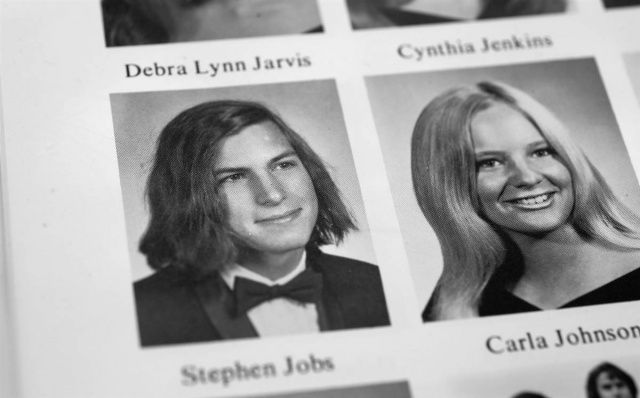
In high school Jobs developed two different interests: electronics and literature. Jobs later noted to his official biographer that “I started to listen to music a whole lot, and I started to read more outside of just science and technology—Shakespare, Plato. I loved King Lear… when I was a senior I had this phenomenal AP English Class.” In 1971, after Wozniak his best friend began attending University of California, Berkley, Jobs would visit him there a few times a week. This experience led him to study in nearby Stanford University’s student union. Instead of joining the electronics club, Jobs put on light shows with a friend for Homestead’s avant-grade jazz program. H

Figure 2: Steve Jobs High School Picture

e was described by a high school classmate as “kind of brain and kind of hippie … but he never fit into either group. He was smart enough to be a nerd, but wasn’t nerdy. And he was too intellectual for the hippies, who just wanted to get wasted all the time. He was kind of an outsider. In high school everything revolved around what group you were in, and if you weren’t in a carefully defined group, you weren’t anybody. He was an individual, in a world where individuality was suspect.”

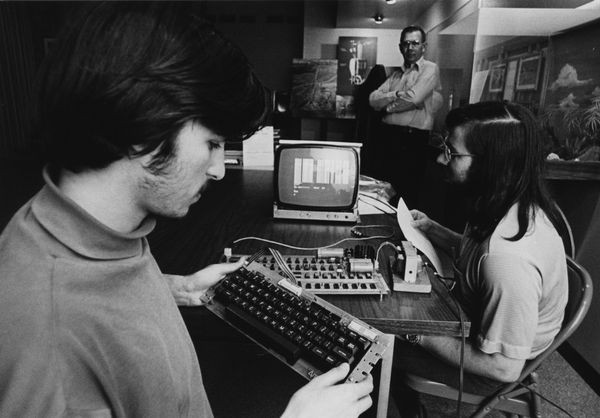
In 1974, Steve Jobs returned to California and began attending meetings of the Homebrew Computer Club with his friend, Steve Wozniak. The club was a gathering of technology enthusiasts and hobbyists, and it was at these meetings that Jobs and Wozniak were exposed to the world of early personal computing. It was here that they first conceptualized the idea of building and selling personal computers.

Figure 3: Jobs and Wozniak at the Homebrew Computer Club


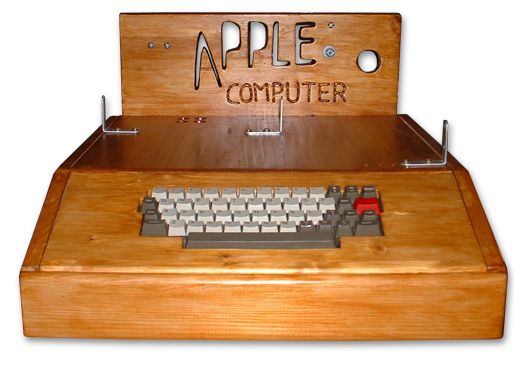
In 1976, Steve Jobs and Steve Wozniak co-founded Apple Computer, Inc. in the Jobs family garage. The name Apple was decided after Jobs came back All Onee farm commune in Oregon and told Wozniak about the farms apple orchard. They introduced the Apple I, their first computer, and sold it to a local retailer. The success of the Apple I led to the development of the Apple II, which would become one of the first highly successful mass-produced personal computers.

Figure 4: An Apple I computer

Apple Inc. was officially incorporated in 1977, and with Jobs’ vision and Wozniak’s technical expertise, the company started to gain recognition and success. They were pioneers in making technology accessible to the average person, a theme that would define Jobs’ career.

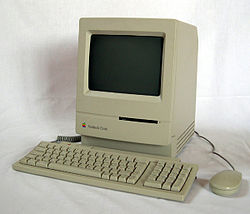
The turning point in Steve Jobs’ life came when he hired John Sculley from PepsiCo to become Apple’s CEO in 1983. This decision ultimately led to Jobs’ removal from the Macintosh division. In 1985, he left Apple, the company he co-founded, under strained circumstances.

Figure 5: An apple Macintosh

After leaving Apple, Jobs founded NeXT Computer, a company aimed at creating high-end computers for the education and business markets. Although NeXT Computer did not achieve commercial success, it played a pivotal role in Jobs’ personal growth. The company’s technology and software eventually found its way into the Apple ecosystem, contributing to Apple’s resurgence in the 1990s.

During this period, Jobs also acquired a majority stake in The Graphics Group, which later became Pixar Animation Studios. Under his leadership, Pixar produced a string of blockbuster animated films, including “Toy Story” and “Finding Nemo,” revolutionizing the animation industry and generating substantial wealth for Jobs.

Figure 6: Steve Jobs at Pixar Studios


In 1996, Apple was on the verge of bankruptcy. The company’s stock price had plummeted, and its future looked bleak. Apple’s board, recognizing the need for a visionary leader, decided to acquire NeXT Computer and bring Steve Jobs back to the company. This was a pivotal moment that set the stage for one of the most remarkable comebacks in business history.

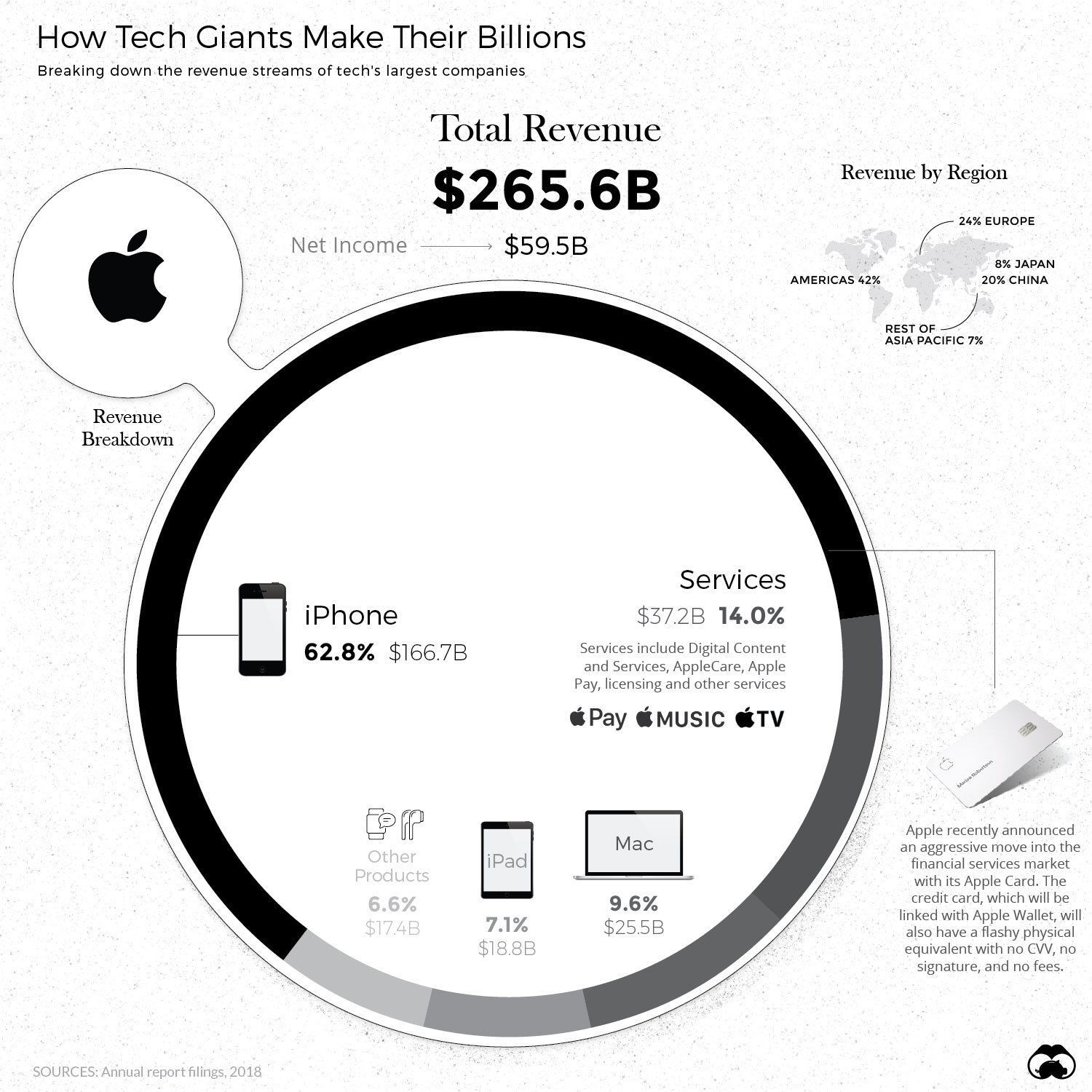
Steve Jobs returned to Apple as its interim CEO in 1997, and he quickly made dramatic changes. He simplified the product lineup, streamlined the company’s operations, and infused Apple with his design sensibilities. Under his leadership, Apple released a series of iconic products, including the iMac, iPod, iPhone, and iPad, which transformed the company into a global technology powerhouse.

Figure 7: Apple revenue breakdown.Retrieved from https://www.visualcapitalist.com/how-tech-giants-make-billions/

One of Steve Jobs’ most significant contributions to Apple and the technology industry at large was his relentless pursuit of innovation and his commitment to design excellence. He was known for his perfectionism and his ability to bring together art and technology. Jobs believed that products should be not only functional but also beautiful and user-friendly.

The iPhone, introduced in 2007, marked a revolution in the smartphone industry. Its sleek design, intuitive interface, and App Store ecosystem changed the way people interacted with technology. The iPhone became a cultural phenomenon, and it propelled Apple to new heights of success.

Steve Jobs’ vision, leadership, and innovation left an indelible mark on the world of technology and business. He passed away on October 5, 2011, but his legacy lives on through the company he co-founded and the products he helped create.

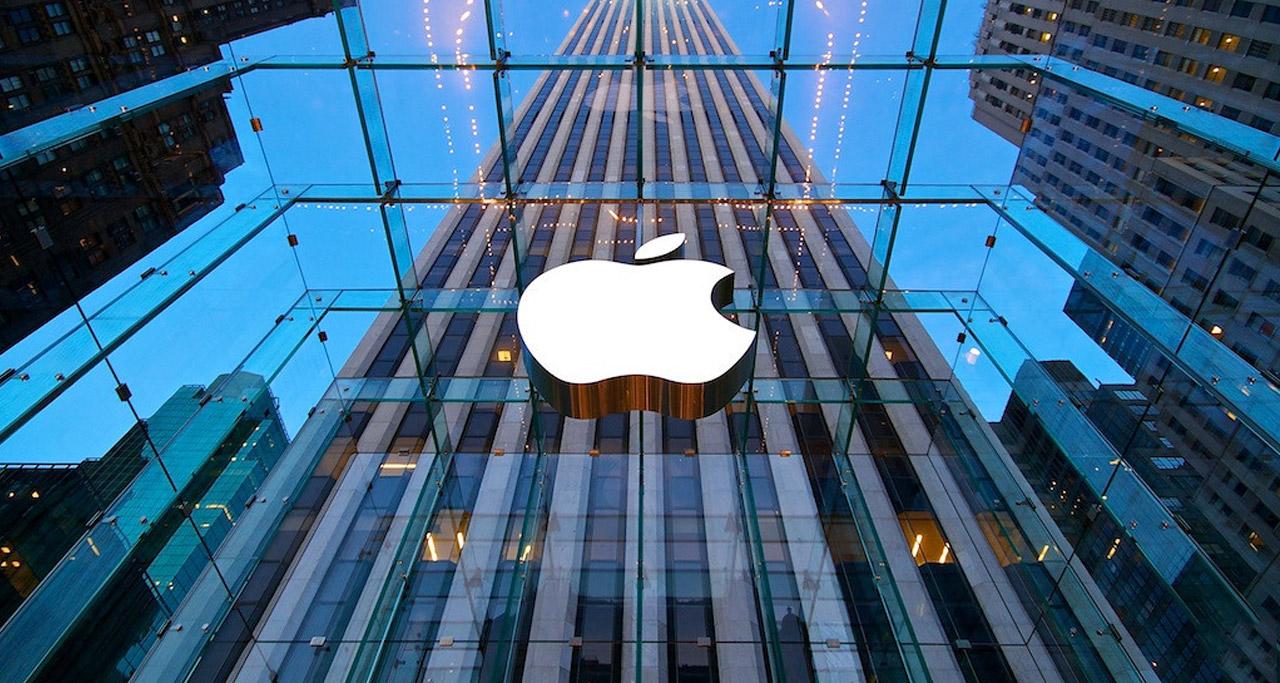
Apple Inc. remains one of the most valuable and influential companies in the world, consistently producing groundbreaking products that shape the future of technology. Under Jobs’ guidance, Apple became the first trillion-dollar company, a testament to his ability to turn a struggling business into a global juggernaut.

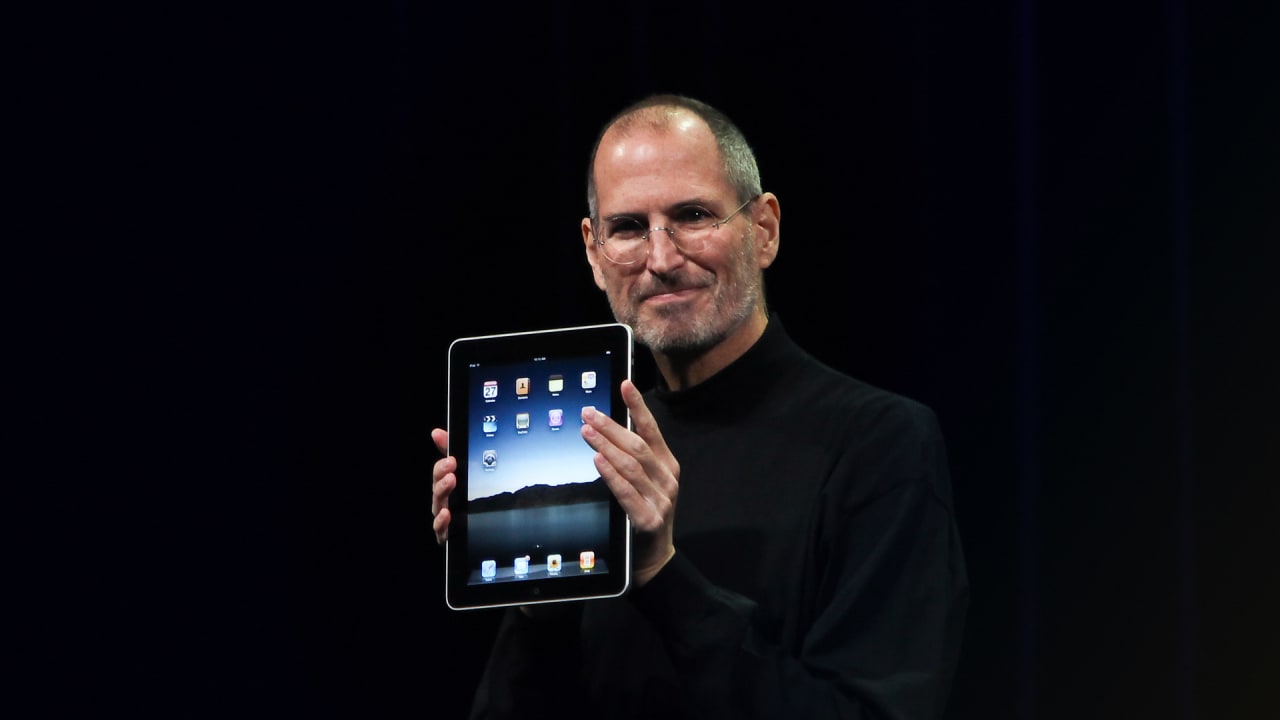
Jobs’ approach to business was driven by his passion for innovation and his belief in the power of simplicity and design. His famous product launches, such as the annual iPhone unveilings, became highly anticipated events that showcased his ability to captivate audiences and build excitement around new technology.

Figure 8: Steve Jobs launches Ipad for the first time


The story of Steve Jobs, from rags to riches, is a testament to the power of vision, determination, and innovation. His journey from a college dropout to a co-founder of Apple Inc., his subsequent ousting from the company, and his triumphant return and impact on the technology industry are nothing short of extraordinary. His ability to combine both technology and art was what made him soo successful has he was able to make the computer attractive and appealing to the broader masses of people.

Steve Jobs’ life story inspires individuals worldwide to think differently, dream big, and push the boundaries of what is possible. His legacy continues to influence the way we live, work, and communicate, leaving an indelible mark on the world and reminding us that even from the humblest beginnings, greatness can be achieved with the right combination of passion, talent, and perseverance.

Figure 8: Apple, the small company starting in Jobs garage reached a $1 trillion in value in mid-2018, and it achieved a $2 trillion valuation in August 2020

Steve Jobs – Master of both Art and Technology

Steve Jobs, the co-founder of Apple Inc., is one of the most iconic figures in the world of technology and business. His life story is often described as a classic example of going from rags to riches. Born in San Francisco on February 24, 1955, to two University of Wisconsin graduate students, Joanne Schieble and Abdulfattah Jandali, Steve Jobs faced numerous challenges and setbacks throughout his life, but he eventually rose to become a billionaire and one of the most influential innovators of the 21st century. This article will delve into the remarkable journey of Steve Jobs from his humble beginnings to his extraordinary success.

Steven Paul Jobs was born in San Francasico on February 24, 1955, to Joanne Carole Schieble and Abdulfattah Jandali. Abdulfattah was born in a wealthy muslim Syrian family. He obtained his undergraduate degree at American University of Beirut and pursued a PhD in political science at the University of Wiconsin. There, he met Joanne Schieble, an American Catholic of German descent whose parents owned a mink farm and real estate. The two fell in love but faced opposition from Schieble’s father due to Jandali’s Muslim faith. Steve Jobs’ life began with a turbulent start as shortly after his birth, Joanne Schieble and Abdulfattah Jandali decided to put him up for adoption. Schieble requested that her son be adopted by college graduates. A lawyer and his wife were selected, but they withdrew after discovering that the baby was a boy, so Jobs was instead adopted by Paul Reinhold and Clara (née Hagopian) Jobs. Paul and Clara Jobs, working-class couple from Mountain View, California ended up adopting him. This marked the beginning of Steve Jobs’ upbringing in a modest and middle-class family, setting the stage for his journey from rags to riches.

Figure 1: Steve Jobs childhood house in Palo Alto where Apple was founded in the garage

Jobs had difficulty functioning in a traditional classroom, tended to resist authority figures, frequently misbehaved, and was suspended a few times. Clara had taught him to read as a toddler, and Jobs stated that he was “pretty bored in school and [had] turned into a little terror… you should have seen us in the third grade, we basically destroyed the teacher”. His father Paul (who was abused as a child) never reprimanded him, however, and instead blamed the school for not challenging his brilliant son. As a child, Steve showed an early interest in electronics, often tinkering with household appliances alongside his adoptive father, Paul Jobs. This early exposure to technology and innovation would prove to be crucial in shaping his future. His parents encouraged his curiosity and even bought him his first chemistry set


. When he was 13, in 1968, Jobs was given a summer job by Bill Hewlett (of Hewlett-Packard) after Jobs cold-called him to ask for parts for an electronics project.

In high school Jobs developed two different interests: electronics and literature. Jobs later noted to his official biographer that “I started to listen to music a whole lot, and I started to read more outside of just science and technology—Shakespare, Plato. I loved King Lear… when I was a senior I had this phenomenal AP English Class.” In 1971, after Wozniak his best friend began attending University of California, Berkley, Jobs would visit him there a few times a week. This experience led him to study in nearby Stanford University’s student union. Instead of joining the electronics club, Jobs put on light shows with a friend for Homestead’s avant-grade jazz program. H

Figure 2: Steve Jobs High School Picture

e was described by a high school classmate as “kind of brain and kind of hippie … but he never fit into either group. He was smart enough to be a nerd, but wasn’t nerdy. And he was too intellectual for the hippies, who just wanted to get wasted all the time. He was kind of an outsider. In high school everything revolved around what group you were in, and if you weren’t in a carefully defined group, you weren’t anybody. He was an individual, in a world where individuality was suspect.”

In 1974, Steve Jobs returned to California and began attending meetings of the Homebrew Computer Club with his friend, Steve Wozniak. The club was a gathering of technology enthusiasts and hobbyists, and it was at these meetings that Jobs and Wozniak were exposed to the world of early personal computing. It was here that they first conceptualized the idea of building and selling personal computers.

Figure 3: Jobs and Wozniak at the Homebrew Computer Club


In 1976, Steve Jobs and Steve Wozniak co-founded Apple Computer, Inc. in the Jobs family garage. The name Apple was decided after Jobs came back All Onee farm commune in Oregon and told Wozniak about the farms apple orchard. They introduced the Apple I, their first computer, and sold it to a local retailer. The success of the Apple I led to the development of the Apple II, which would become one of the first highly successful mass-produced personal computers.

Figure 4: An Apple I computer

Apple Inc. was officially incorporated in 1977, and with Jobs’ vision and Wozniak’s technical expertise, the company started to gain recognition and success. They were pioneers in making technology accessible to the average person, a theme that would define Jobs’ career.

The turning point in Steve Jobs’ life came when he hired John Sculley from PepsiCo to become Apple’s CEO in 1983. This decision ultimately led to Jobs’ removal from the Macintosh division. In 1985, he left Apple, the company he co-founded, under strained circumstances.

Figure 5: An apple Macintosh

After leaving Apple, Jobs founded NeXT Computer, a company aimed at creating high-end computers for the education and business markets. Although NeXT Computer did not achieve commercial success, it played a pivotal role in Jobs’ personal growth. The company’s technology and software eventually found its way into the Apple ecosystem, contributing to Apple’s resurgence in the 1990s.

During this period, Jobs also acquired a majority stake in The Graphics Group, which later became Pixar Animation Studios. Under his leadership, Pixar produced a string of blockbuster animated films, including “Toy Story” and “Finding Nemo,” revolutionizing the animation industry and generating substantial wealth for Jobs.

Figure 6: Steve Jobs at Pixar Studios


In 1996, Apple was on the verge of bankruptcy. The company’s stock price had plummeted, and its future looked bleak. Apple’s board, recognizing the need for a visionary leader, decided to acquire NeXT Computer and bring Steve Jobs back to the company. This was a pivotal moment that set the stage for one of the most remarkable comebacks in business history.

Steve Jobs returned to Apple as its interim CEO in 1997, and he quickly made dramatic changes. He simplified the product lineup, streamlined the company’s operations, and infused Apple with his design sensibilities. Under his leadership, Apple released a series of iconic products, including the iMac, iPod, iPhone, and iPad, which transformed the company into a global technology powerhouse.

Figure 7: Apple revenue breakdown.Retrieved from https://www.visualcapitalist.com/how-tech-giants-make-billions/

One of Steve Jobs’ most significant contributions to Apple and the technology industry at large was his relentless pursuit of innovation and his commitment to design excellence. He was known for his perfectionism and his ability to bring together art and technology. Jobs believed that products should be not only functional but also beautiful and user-friendly.

The iPhone, introduced in 2007, marked a revolution in the smartphone industry. Its sleek design, intuitive interface, and App Store ecosystem changed the way people interacted with technology. The iPhone became a cultural phenomenon, and it propelled Apple to new heights of success.

Steve Jobs’ vision, leadership, and innovation left an indelible mark on the world of technology and business. He passed away on October 5, 2011, but his legacy lives on through the company he co-founded and the products he helped create.

Apple Inc. remains one of the most valuable and influential companies in the world, consistently producing groundbreaking products that shape the future of technology. Under Jobs’ guidance, Apple became the first trillion-dollar company, a testament to his ability to turn a struggling business into a global juggernaut.

Jobs’ approach to business was driven by his passion for innovation and his belief in the power of simplicity and design. His famous product launches, such as the annual iPhone unveilings, became highly anticipated events that showcased his ability to captivate audiences and build excitement around new technology.

Figure 8: Steve Jobs launches Ipad for the first time


The story of Steve Jobs, from rags to riches, is a testament to the power of vision, determination, and innovation. His journey from a college dropout to a co-founder of Apple Inc., his subsequent ousting from the company, and his triumphant return and impact on the technology industry are nothing short of extraordinary. His ability to combine both technology and art was what made him soo successful has he was able to make the computer attractive and appealing to the broader masses of people.

Steve Jobs’ life story inspires individuals worldwide to think differently, dream big, and push the boundaries of what is possible. His legacy continues to influence the way we live, work, and communicate, leaving an indelible mark on the world and reminding us that even from the humblest beginnings, greatness can be achieved with the right combination of passion, talent, and perseverance.

Figure 8: Apple, the small company starting in Jobs garage reached a $1 trillion in value in mid-2018, and it achieved a $2 trillion valuation in August 2020

Powered by WordPress & Theme by Anders Norén